University of Southampton: What Most Students Miss Before Applying (2026 Guide)
The first time you walk through Southampton, it feels settled—water on one side, labs and lecture halls on the other, everything quietly confident. It’s easy to be impressed, easier still to skim the prospectus and think you’ve got it figured out.
But between open days and offer letters, important details slip by—details that shape daily life, workload, and opportunities. Before you apply, here’s what rarely gets mentioned.
It’s about leverage. And in 2026, the University of Southampton quietly offers more leverage than most students realise.
If you assume Southampton is “just another Russell Group university”, this guide will challenge that assumption — with concrete facts, current fees, real outcomes, and the details that actually shape your future.

Introduction: Why Southampton Matters in 2026
The University of Southampton is not just a historic institution founded in 1862. In 2026, it is ranked 87th globally in the QS World University Rankings and 17th in the UK — but rankings only tell part of the story.
What most applicants don’t realise is that Southampton is the only Russell Group university on England’s south coast. That single fact shapes its funding, industry links, research focus, and graduate outcomes.

A Short History That Still Shapes Your Degree
Southampton began life as the Hartley Institution in 1862 and received its Royal Charter in 1952. That timing matters.
Universities founded in this period sit in what researchers call the “Golden Age” — old enough to be prestigious, young enough to be adaptive. Southampton consistently ranks among the UK’s strongest research universities because of this balance.
Why Choose the University of Southampton (Not the One You Think)
Students often compare Southampton to London universities or northern Russell Group institutions.
Here’s the contradiction: Southampton often offers better staff access, stronger industry-funded research projects, and lower living costs — without sacrificing reputation.
In 2025–2026, the Complete University Guide ranked Southampton 1st in the UK for Physiotherapy and placed 12 subjects in the national top 10.
Rankings & Reputation (2026 Snapshot)
QS World University Rankings 2026: 87th globally
Complete University Guide 2026: 17th UK
Times & Sunday Times 2026: 17th UK
QS Sustainability Rankings 2026: Top 10 in the UK
Southampton also ranks 14th in the UK overall in QS 2026, with global top-50 subject rankings in Nursing, Archaeology, and Earth & Marine Sciences.

Academic Programmes: Where Southampton Actually Excels
The University of Southampton offers over 300 undergraduate and 310 postgraduate programmes in 2026.
Its real strength lies in research-led teaching. Engineering, Electronics, Computer Science, Oceanography, Medicine, Business, and Law all benefit from direct links to industry and government-funded research.
Many degrees include paid industrial placements. During a full placement year, students pay just 20% of tuition fees.
Tuition Fees in 2026 (What You’ll Actually Pay)
UK Undergraduate Fees (2026 entry):
£9,250 per year (regulated cap)
International Undergraduate Fees:
Arts & Humanities: £19,500
Classroom-based: £20,680
Laboratory-based: £27,165–£28,320
Clinical courses: up to £44,070
Postgraduate Taught Fees (International):
£16,000–£28,590 depending on subject
Clinical postgraduate courses: up to £41,580
International students must pay a £2,000 tuition deposit to secure their place.
Scholarships in 2026: Where the Real Savings Are
Southampton offers one of the UK’s widest scholarship portfolios.
Key options include:
- Merit Scholarships: up to £3,000
- Global Excellence Scholarships: £3,000–£10,000
- GREAT Scholarships 2026: £10,000
- Chevening & Commonwealth: full funding
- Subject-specific Dean’s Scholarships
Student Life: Calm Campus, Serious Opportunity
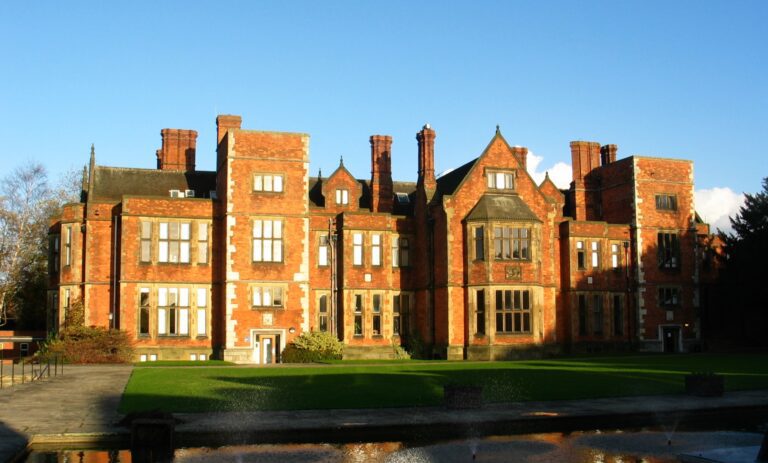
Southampton’s Highfield Campus is greener and quieter than most city universities — by design.
Living costs are lower than London or Oxford. Average student rent in 2026 ranges from £520–£750 per month. Bus fares are capped at £2 per journey until at least December 2026.
International Students: What Actually Helps
With over 6,500 international students from 135+ countries, Southampton provides guaranteed university accommodation for full-time international students in their first year.
Dedicated visa support, careers advisers, and part-time work guidance are built into the International Student Office.
Famous Alumni (And Why That Matters)
Southampton alumni include Brian Eno, Adrian Newey, Chris Packham, and senior leaders across engineering, finance, and government.

Graduate Outcomes: The Quiet Advantage
Southampton graduates form part of a 245,000-strong alumni network. In 2026, graduate employment and further study rates exceed 83% within 15 months of graduation.
The university’s careers service offers one-to-one guidance, employer-led seminars, and funded enterprise programmes.

How to Contact the University of Southampton
Address: Highfield Campus, University Road, Southampton SO17 1BJ
Phone: +44 (0)23 8059 5000
Official Website: https://www.southampton.ac.uk/
Conclusion: The Thing Most Guides Won’t Tell You
At the start, we said university choice is about leverage.
The University of Southampton gives you access to Russell Group research power, coastal industry links, lower living costs, and global credibility — without the noise or price tag of headline cities.
If you choose it deliberately, Southampton doesn’t just educate you. It compounds your advantage.