University of Cambridge Explained: What It Really Takes in 2026
You don’t get through Cambridge on raw intelligence alone. You get through by managing pressure, navigating rigid structures, and sustaining performance for years while the clock never really stops.
If you’re considering Cambridge in 2026—whether to apply, visit, or decode its hold on global prestige—you need the unvarnished version. Here’s how the place actually works, and what it quietly demands of you.
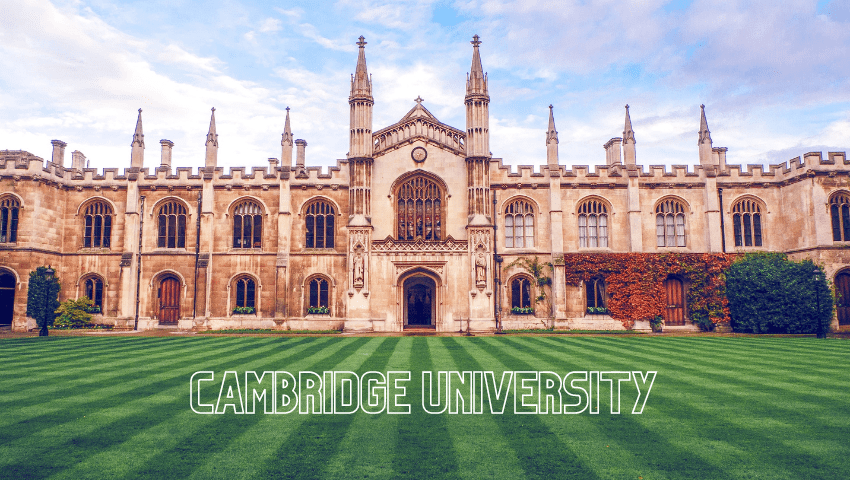
Cambridge University in 2026: The Reality Behind the Name
The University of Cambridge isn’t just old—it’s operationally ancient and brutally modern at the same time. Founded in 1209, it now competes globally while still running on a college-based system that shapes everything from teaching style to rent payments.
In 2026, Cambridge sits at the very top of global academia. According to the Times Higher Education World University Rankings 2026, Cambridge is ranked =3rd globally. In the QS World University Rankings 2026, it holds 6th place worldwide and remains 1st in the UK. Prestige hasn’t faded—it’s intensified.
The Hidden Structure: Colleges Matter More Than You Think
Here’s what most first-time readers miss: you don’t just apply to Cambridge. You apply to a college.
There are 31 colleges, each with its own accommodation, dining halls, scholarships, and academic culture. Your supervisor, rent, and even daily meals are shaped by this choice. Two students on the same course can live completely different lives.
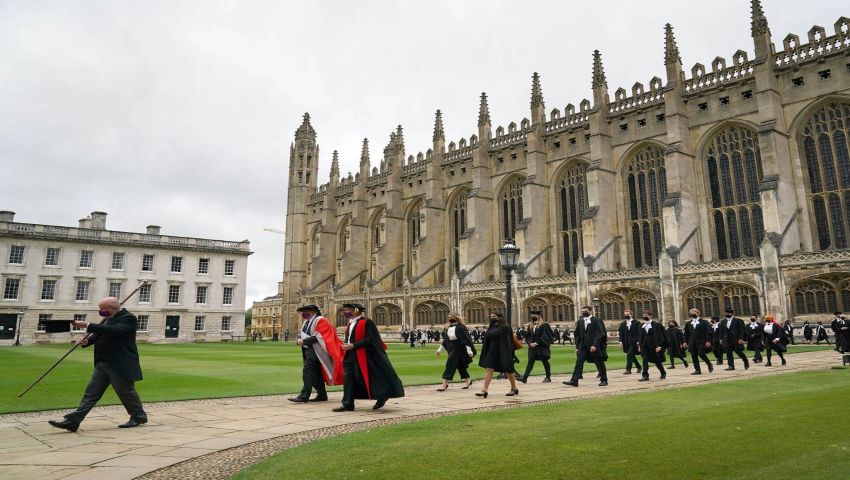
Academic Intensity: Why Cambridge Feels Different
Cambridge’s defining feature is the supervision system. Unlike standard UK lectures, students meet weekly in groups of 1–3 with an academic. You defend your ideas. You’re questioned. There’s nowhere to hide.
This is why Cambridge graduates don’t just know information—they know how to think under pressure.
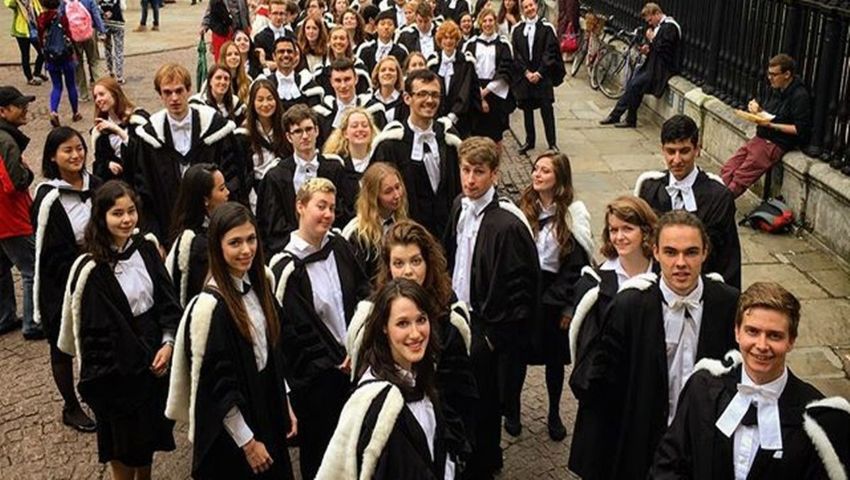
Courses and Departments in 2026
Cambridge offers over 30 undergraduate courses covering more than 65 subject pathways. Key academic divisions include:
- Arts & Humanities – History, Philosophy, Languages, Music
- Biological Sciences – Genetics, Psychology, Biochemistry
- Clinical Medicine – Linked directly to NHS teaching hospitals
- Human, Social & Political Sciences – Economics, Sociology, Politics
- Physical Sciences – Mathematics, Physics, Natural Sciences
- Technology & Engineering – Computer Science, Engineering, AI research
Tuition Fees at Cambridge (2026)
Undergraduate Fees
Home students (UK): £9,790 per year for 2026 entry. This is the regulated maximum and eligible for Student Finance England loans.
International students: fees vary by course. For 2026, typical annual tuition ranges:
- Arts & Humanities: £27,000–£35,000
- Science & Engineering: £41,000+
- Medicine: £70,000+
Living costs: Cambridge estimates £12,400–£15,000 per year excluding tuition, depending on college and lifestyle.
Postgraduate Fees
Postgraduate fees are set via the University Composition Fee (UCF) and vary by course and duration. Typical ranges in 2026:
- MPhil / MSc: £12,000–£38,000 per year
- PhD: £9,790 (Home) or £25,000–£35,000 (International)
Scholarships That Actually Change Everything
Cambridge is expensive. But it’s also one of the most funded universities in the world.
- Gates Cambridge Scholarship – ~80 full scholarships yearly. Covers tuition, £20,000+ living allowance, flights.
- Cambridge Trust Scholarships – Major funding body for international students.
- College-specific bursaries – Often overlooked, highly strategic.
- UK Research Council funding – For PhD and research degrees.
Famous Alumni (And Why That List Keeps Growing)
Cambridge alumni include:
- Isaac Newton
- Charles Darwin
- Alan Turing
- Stephen Hawking
- John Maynard Keynes
- Emma Thompson
- Sacha Baron Cohen
The pattern isn’t fame—it’s influence.
How to Contact Cambridge University
Address: The Old Schools, Trinity Lane, Cambridge CB2 1TN
Phone: +44 (0)1223 337733
Website: https://www.cam.ac.uk
The Real Question
Cambridge isn’t asking if you’re smart.
It’s asking if you can survive sustained intellectual pressure—and still want more.