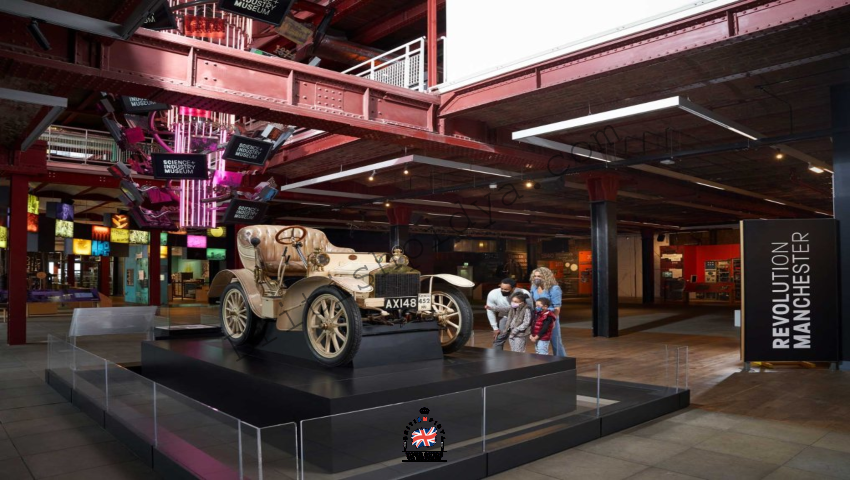
Science and Industry Museum Manchester: The Only Guide You Need in 2026
What if Manchester’s most powerful stories aren’t told in books, but in steam, code, and colossal ideas made real? And what if one museum quietly connects the Industrial Revolution to the technologies shaping tomorrow?
The Science and Industry Museum is more than a quick stop—it’s a place that rewards curiosity, timing, and context. So how do you experience it properly in 2026? Let’s start with what matters most.
The Science and Industry Museum isn’t about the past. It’s about how Manchester quietly shaped the modern world—and how those ideas are still unfolding in 2026.
Hidden inside the world’s oldest surviving passenger railway station, this museum connects steam engines to smartphones, cotton mills to climate science, and Victorian ambition to today’s innovation economy. Once you see that connection, the museum changes completely.
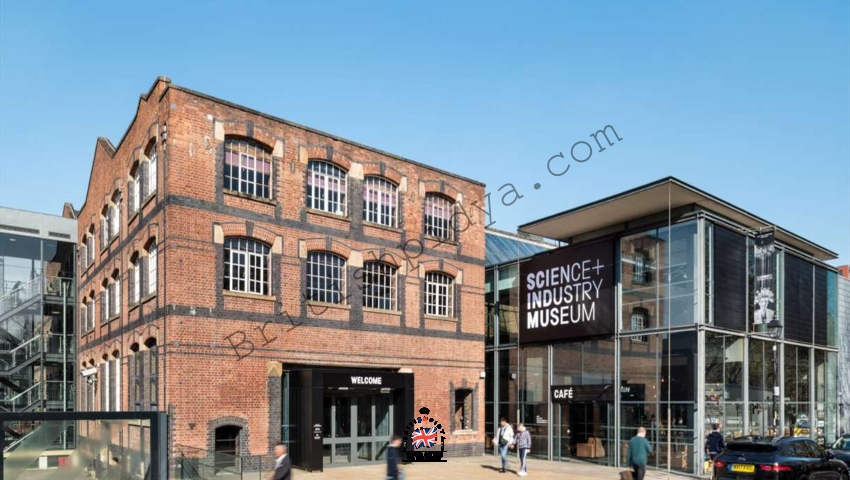
Science and Industry Museum Manchester: Why This Place Matters
The Science and Industry Museum stands on Liverpool Road, Manchester M3 4FP—home to the world’s first inter-city passenger railway station, opened in 1830. That detail alone reframes everything you see here.
This isn’t a museum that collected history later. History happened here.
In 2026, the museum is in the middle of a multi‑million‑pound restoration programme. Some historic buildings, including parts of the 1830 Station and the Power Hall, remain partially closed—but the story they tell is clearer than ever.
A Museum Built on the Industrial Revolution
Manchester didn’t just participate in the Industrial Revolution. It accelerated it.
The museum’s site once moved cotton, coal, and people at unprecedented speed. Today, it moves ideas. That continuity is intentional—and it’s what most visitors overlook.
Architecture That Still Does the Work
The iron bridges, brick warehouses, and vaulted engine halls aren’t decorative. They’re working exhibits.
As you walk between galleries, you’re tracing the physical infrastructure that once powered an empire—and now houses debates about sustainability, technology, and ethics.
What to See Inside the Science and Industry Museum in 2026
This museum is free to enter, but your time isn’t. Here’s where to focus.
Power Hall: The Andrew Law Gallery
When fully accessible, Power Hall houses some of the largest working steam engines in Europe. Even during restoration phases, it remains the symbolic heart of the museum.
These machines explain, in metal and motion, why Manchester became the world’s first industrial city.
Textiles Gallery: Cottonopolis Explained
This gallery doesn’t romanticise cotton. It explains it.
You’ll see how Manchester’s mills connected to global trade, enslaved labour in the Americas, and the birth of modern consumer culture. It’s one of the most honest industrial history galleries in the UK.
Experiment Gallery: Science You Can Touch
Designed for families but surprisingly engaging for adults, Experiment turns abstract physics into physical play. Expect gears, forces, light, and sound—no prior knowledge required.
Air and Space Stories
Manchester’s contribution to aviation and computing is easy to miss. This section corrects that oversight, linking early research to technologies you use daily.

Temporary Exhibitions Worth Planning Around
In 2026, timing matters.
Horrible Science: Cosmic Chaos runs from 13 February 2026 to 3 January 2027, offering a large‑scale, family‑friendly exhibition that blends humour with real astrophysics.
Special exhibitions may charge fees (typically £8–£12 for adults). General museum entry remains free, but advance booking is strongly recommended.
Opening Hours, Tickets, and Practical Details (2026)
Opening hours: Daily, 10:00–17:00
Closed: 24–26 December and 1 January
Entry price: Free (donations encouraged). Special exhibitions priced separately.
Official website: scienceandindustrymuseum.org.uk
Phone: +44 (0)330 0058 0058 (09:00–17:00)
Getting There Without the Stress
Address: Science and Industry Museum, Liverpool Road, Manchester M3 4FP
Train: Deansgate Station (7‑minute walk)
Metrolink: Deansgate‑Castlefield stop
Bus: Free Bus Route 1 stops on Lower Byrom Street
Car: No on‑site parking. Limited pay‑and‑display nearby.
Accessibility: What the Museum Gets Right
Step‑free access is available across open galleries. Lifts include tactile controls and audio announcements. Quiet Room access is available within the Textiles Gallery.
For support, call +44 (0)330 0058 0058 or check the museum’s accessibility page before visiting.

Hotels Near the Science and Industry Museum
Manchester Marriott Victoria & Albert (4‑star) sits steps from the museum, with average nightly rates from £140–£190 depending on season.
Why You’ll See Manchester Differently After Visiting
When you leave the Science and Industry Museum, the city changes.
The canals aren’t decorative. The warehouses aren’t aesthetic. The rail lines aren’t incidental.
They’re evidence.
Evidence that Manchester didn’t wait for the future—it built it. And in 2026, that story feels more relevant than ever.