The History of the United Kingdom Explained Simply (Updated 2026)
The story of the United Kingdom doesn’t announce itself—it whispers. Beneath familiar dates and crowns lie vanished peoples, uneasy unions, and decisions made in the dark that still shape the present.
Pull one thread and another appears, older and stranger than expected. To see how this island became a nation, we have to trace the clues from the beginning.
The real story of the UK is a sequence of uneasy unions, cultural collisions, and political compromises that are still shaping everyday life in 2026 — from devolution in Scotland to the post‑EU reset with Europe.
This is not just a timeline. It’s the hidden logic behind how the UK became what it is today.
About the History of the United Kingdom
The United Kingdom is not a single ancient nation. It is a political construction made up of four countries: England, Scotland, Wales, and Northern Ireland. Each joined the union at different moments, for different reasons, and often reluctantly.
Understanding British history means understanding tension — between north and south, crown and parliament, union and independence. That tension is the engine of the UK story.
Early Britain: Before the United Kingdom Existed
Long before there was a United Kingdom, the islands were home to Celtic tribes. By around the 6th century BC, these communities had distinct languages, religions, and power structures.
Everything changed in AD 43 when the Romans invaded Britain. They didn’t just conquer land — they imposed order. Roads, towns, baths, and administrative systems followed. Many modern UK roads still trace Roman routes.
But Roman control was never total. Scotland largely resisted, forcing Rome to build Hadrian’s Wall around AD 122 — a physical reminder that Britain has always been divided.

Who Are the British? Origins of the Four Nations
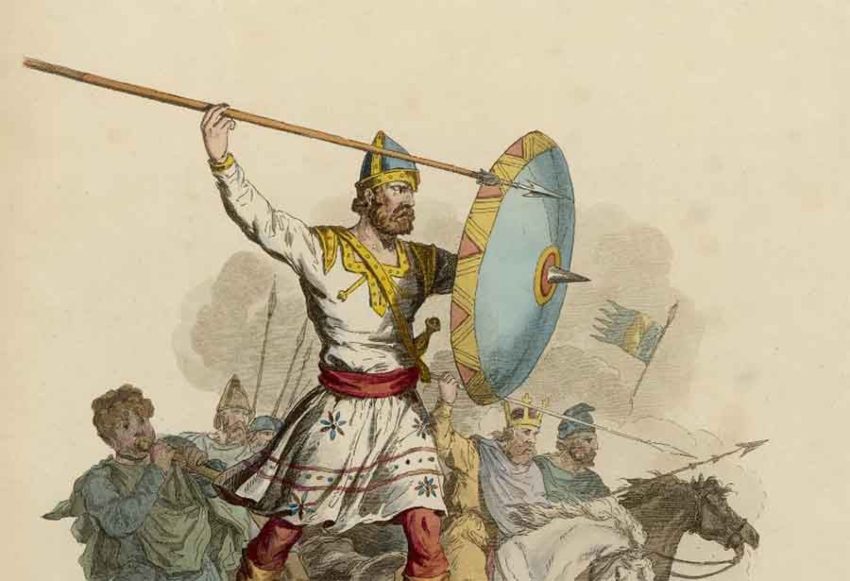
England emerged after the Romans left in the 5th century. Angles, Saxons, and Jutes migrated from northern Europe, forming early English kingdoms and shaping the English language.
Scotland developed separately. Its people descended from Picts, Gaels, and later Norse settlers. Scottish identity hardened through repeated wars with England, especially during the Wars of Independence (1296–1357).
Wales retained its Celtic language and culture despite Roman and Norman pressure. It was formally annexed by England in the 16th century, but never fully absorbed culturally.
Northern Ireland’s story is the most complex. English and Scottish plantations in the 17th century reshaped demographics, laying foundations for centuries of conflict that still influence politics today.
The Middle Ages: Power, Faith, and the Crown
The Norman Conquest of 1066 was a reset. William the Conqueror replaced England’s ruling class almost overnight and introduced feudalism — a system that tied land, loyalty, and military service together.
Medieval Britain was rarely peaceful. The Crusades, wars with France, and internal civil wars drained resources but strengthened central authority.
The Wars of the Roses (1455–1485) ended with the Tudor dynasty. This moment matters because it began the slow transition from feudal chaos to a recognisable state.

Reformation, Empire, and the Birth of Britain
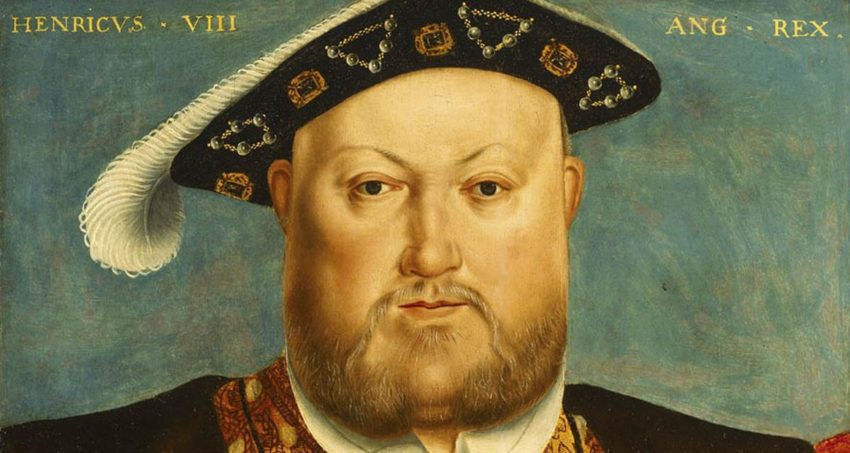
Henry VIII’s break from Rome in the 1530s didn’t just change religion. It permanently altered the balance of power between church, crown, and people.
By 1707, England and Scotland formally united under the Act of Union. This was not cultural unity — it was economic and strategic necessity.
The British Empire followed. At its peak, it controlled roughly a quarter of the world’s population. Wealth flowed into Britain, but so did responsibility, resistance, and moral reckoning.
Industrial Britain and Global Wars
The Industrial Revolution transformed the UK into the world’s first industrial power. Cities expanded rapidly, railways spread, and living standards eventually rose — but only after brutal inequality.
The 20th century brought World War I and World War II. Britain emerged victorious but weakened. The empire dissolved. The welfare state was born.

The United Kingdom in 2026: What Changed, What Didn’t
Today, the UK is a constitutional monarchy and parliamentary democracy under King Charles III. Real power sits with Parliament and the Prime Minister.
The UK is no longer a member of the European Union, having left on 31 January 2020. In 2026, a formal review of the UK–EU Trade and Cooperation Agreement is underway, signalling a cautious reset rather than reversal.
Devolution defines modern Britain. Scotland, Wales, and Northern Ireland now exercise significant self‑government, keeping the question of unity permanently open.

The United Kingdom survives not because it is simple, but because it adapts. Its history isn’t finished — it’s still negotiating itself.