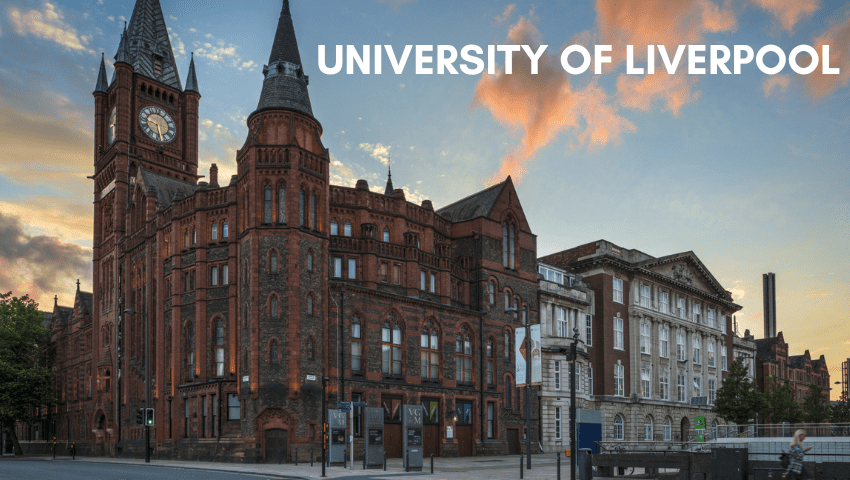
University of Liverpool: The Smart Choice Most Students Misjudge (Full Guide 2026)
Rankings shout. Prospectuses sparkle. Yet somewhere between the headlines and the hype, a quieter advantage hides in plain sight at the University of Liverpool. It’s not obvious on first glance—and that’s the point.
Liverpool’s real value reveals itself only when you trace how place, cost, and career outcomes intersect over time. Follow that trail, and the choice stops looking accidental and starts looking strategic.
A History That Still Pays Dividends
Many universities have history. Fewer know how to use it.
Liverpool’s research legacy includes nine Nobel Prize winners and decades of collaboration with the NHS, UK government, and global industry. That legacy matters because it shapes funding, facilities, and employer trust today—not just prestige.
This is why Liverpool consistently ranks among the UK’s most research-intensive universities, and why its graduates continue to outperform expectations across science, health, engineering, law, and public service.
Why the University of Liverpool Works (When Others Don’t)
Here’s what most prospective students miss:
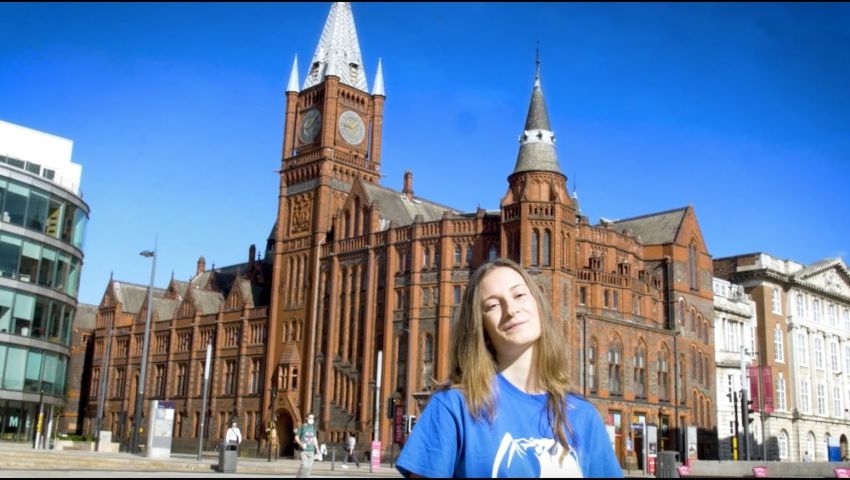
Liverpool is a city-centre campus. That means employers, hospitals, labs, courts, startups, and cultural institutions are within walking distance—not an abstract promise on a brochure.
Courses are designed around real problems, not just theory. Engineering students work with industry partners. Health students train alongside NHS professionals. Humanities students engage directly with policy, archives, and media organisations.
Add a student body drawn from over 130 countries, and you get something rare: global perspective without London-level living costs.
Ranking & Reputation in 2026 (The Numbers That Matter)
In the QS World University Rankings 2026, the University of Liverpool is ranked 147th globally, placing it firmly in the top 150 universities worldwide.
In the UK, Liverpool ranks 23rd nationally (Complete University Guide 2026) and is one of only a handful of Russell Group universities awarded TEF Gold.
More important than the headline number: Liverpool has climbed over 40 places globally in three years. That trajectory matters to employers who track institutional momentum.
Academic Programmes at the University of Liverpool
Liverpool offers more than 250 undergraduate degrees and over 150 postgraduate taught programmes, alongside a large portfolio of PhD and research routes.
Standout areas include Medicine, Veterinary Science, Engineering, Computer Science, Architecture, Law, Psychology, and Environmental Sciences.
Degrees are supported by structured employability modules, paid placements, and study-abroad options. Over 15% of Liverpool students study overseas during their degree.

University of Liverpool Tuition Fees (2026)
Home students (England, 2026 entry):
- Undergraduate tuition fee: £9,250 per year (regulated cap for 2025–26)
- Postgraduate taught: typically £7,300–£11,600 per year
- Postgraduate research (PhD): approximately £4,500–£7,000 per year
Fees for 2026–27 may rise in line with government regulation. Always confirm on the official course page.
International Students Tuition Fees (Indicative 2026)
- Undergraduate: £18,400–£24,400 per year
- Postgraduate taught: £17,600–£23,350 per year
- Deposit for most master’s programmes: £2,000
International fees increase annually in line with inflation. Always check your specific programme.
Scholarships & Financial Support
The University of Liverpool offers a wide range of scholarships for 2026 entry:
- Country-specific international scholarships (often £2,000–£10,000)
- Graduate Association and foundation-funded awards
- Sports scholarships up to £2,000 for elite athletes
Postgraduate researchers typically combine university funding, UK Research Council studentships, and external grants.
Student Life in Liverpool (What It Actually Feels Like)
Liverpool is consistently ranked as one of the UK’s most affordable student cities.
Typical living costs in 2026:
- Accommodation: £95–£165 per week
- Monthly living expenses: £850–£1,050
- Bus fare: £2 single (government-capped)
The university supports over 200 student societies, extensive sports facilities, and one of the UK’s strongest careers services.

Famous Alumni (Proof, Not Promises)
Liverpool alumni include:
- Professor Sir Joseph Rotblat, Nobel Peace Prize laureate
- Dame Stella Rimington, former Director General of MI5
- Tung Chee-Hwa, first Chief Executive of Hong Kong
Today, Liverpool’s alumni network exceeds 280,000 graduates across 170+ countries.

Career Impact After Graduation
The Careers & Employability Service supports students from day one, not just at graduation.
According to Graduate Outcomes data, Liverpool graduates show strong employment and further study rates within 15 months of finishing their degree.
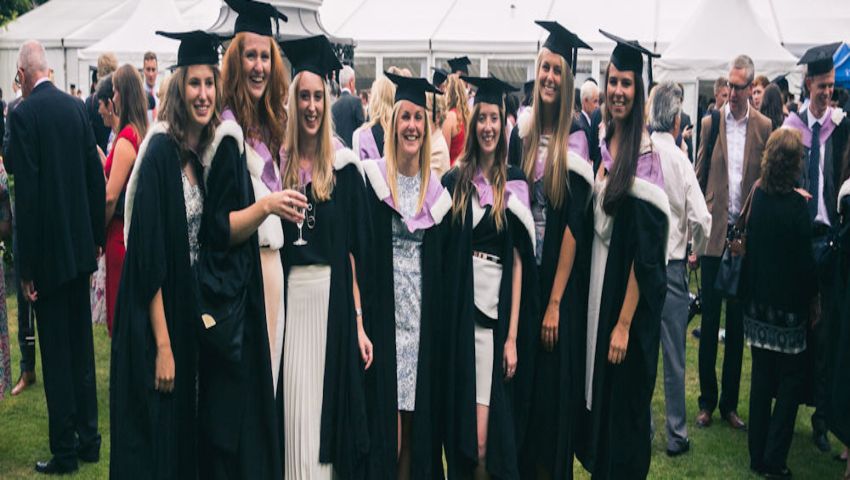
Graduation isn’t an ending here. It’s an entry point into a global professional network.
Conclusion: The Choice You Understand Too Late
Most students ask, “Is the University of Liverpool good?”
The better question is this:
“What happens if I spend three years in a city, university, and system that keeps opening doors after I leave?”
That’s the real Liverpool advantage—and it compounds long after graduation.