Winston Churchill: The Man You Think You Know — Revisited for 2026
Winston Churchill still looms large in Britain’s story—cigar clenched, defiance blazing, words forged for wartime. His image has hardened into icon, replayed in documentaries, classrooms, and memes alike.
But history doesn’t stand still. New scholarship, shifting values, and a colder look at the record demand a reassessment—one that separates legend from life and sets the stage for what comes next.
That version is comforting. It’s also incomplete.
Because Churchill’s real power wasn’t just that he led Britain through World War II. It was that he failed, repeatedly, and still taught a nation how to endure. In 2026, with leadership under constant scrutiny and history being re‑examined in real time, Churchill matters for a reason few people talk about.
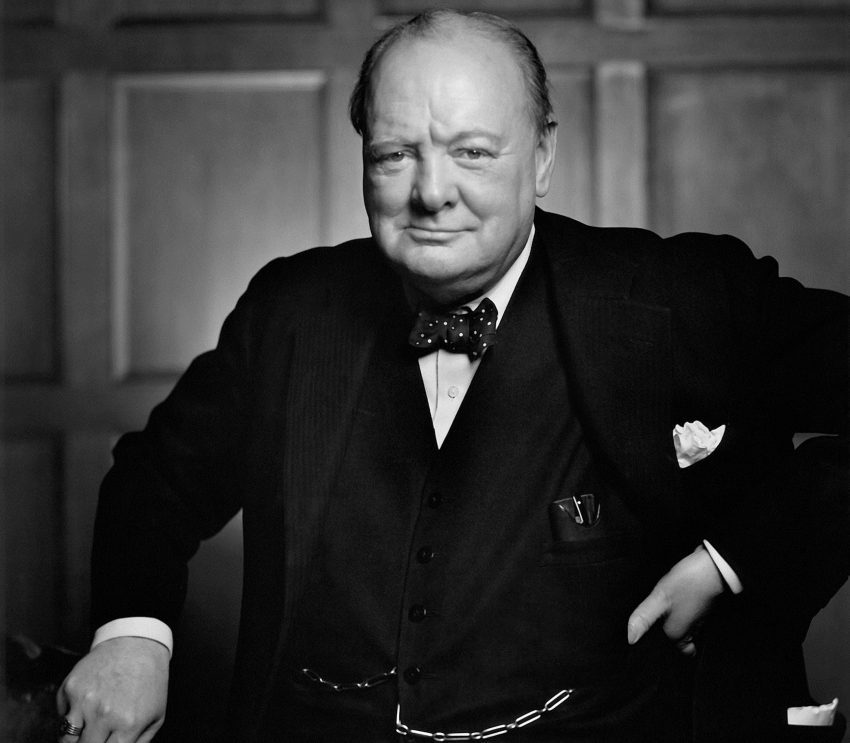
Why Winston Churchill Still Divides Opinion in 2026
Churchill is often presented as a finished monument. Hero. Saviour. Greatest Briton.
But history is messier than monuments.
In 2002, over one million people voted Churchill the Greatest Briton of All Time in a BBC poll. More than twenty years later, independent UK surveys continue to place him at or near the top. Yet modern debates around empire, race, and power have complicated his image.
That tension is the point.
Churchill was not admired because he was perfect. He was remembered because he refused to collapse when collapse was fashionable.
Early Life: Privilege Without Comfort
Winston Leonard Spencer‑Churchill was born on 30 November 1874 at Blenheim Palace, Oxfordshire. From the outside, it looked like destiny had already chosen him.
Inside, it felt different.
His father, Lord Randolph Churchill, was brilliant, volatile, and distant. His mother, Jennie Jerome, was glamorous and often absent. Young Winston struggled academically, particularly in mathematics, and spent much of his childhood feeling unwanted and underestimated.
At Harrow School, he ranked near the bottom of his class.
Yet something else emerged: an obsession with history, language, and courage under pressure. The traits that later defined him were forged not by success, but by rejection.
The Soldier Who Learned How War Really Works
Churchill entered the Royal Military Academy at Sandhurst on his third attempt, graduating in 1895. He served in British India, Sudan, and South Africa, often doubling as a war correspondent to fund his ambitions.
During the Second Boer War (1899–1902), he was captured and escaped a POW camp — an episode that made him famous overnight in Britain.
Here’s the part many miss: Churchill didn’t romanticise war. He studied it. He understood logistics, morale, machinery, and timing long before most politicians did.
That understanding would later shape Britain’s survival.
Politics, Failure, and the Long Wilderness
Churchill entered Parliament in 1900. Over the next four decades, he switched parties twice, championed unpopular causes, and made catastrophic mistakes — including his role in the failed Gallipoli Campaign during World War I.
By the 1930s, he was politically isolated. Many considered him finished.
Then came the warnings.
While others pursued appeasement, Churchill warned relentlessly about Adolf Hitler and Nazi Germany. He was mocked for it. Ignored. Sidelined.
History would prove him right — but only after Europe was already burning.
1940: When Words Became Weapons
On 10 May 1940, Winston Churchill became Prime Minister. France was collapsing. Britain stood alone.
This is where the legend begins — and where the misunderstanding starts.
Churchill didn’t promise victory. He promised hardship.
“Blood, toil, tears and sweat” wasn’t motivational fluff. It was psychological honesty. In an age of spin, he told the truth — and earned trust because of it.
During the Blitz, his speeches were broadcast across bombed cities. Not to reassure people everything would be fine — but to remind them why it was worth enduring.
Behind the Scenes: Where the War Was Actually Run
Deep beneath Westminster lies the Churchill War Rooms — the underground nerve centre of Britain’s wartime government.
In 2026, the site remains one of London’s most powerful historical experiences.
Churchill War Rooms
Clive Steps, King Charles Street, London SW1A 2AQ
Opening hours: Daily, 9:30am–6:00pm (last entry 5:00pm)
Adult ticket (April 2026): £34
Child (5–15): £17
Under 5s: Free
Booking in advance via the Imperial War Museums website is strongly recommended, especially during school holidays.
Writing, Painting, and the Nobel Prize
Churchill didn’t just speak history — he wrote it.
Across his lifetime, he produced dozens of volumes, including The Second World War and A History of the English‑Speaking Peoples.
In 1953, he was awarded the Nobel Prize in Literature — not as a vanity honour, but for shaping historical narrative itself.
Less known: he was also a prolific painter, creating over 500 artworks, many now held in UK collections.
The Legacy We’re Still Arguing About
Churchill died on 24 January 1965, aged 90.
In the decades since, Britain has changed — and so has how it judges its heroes.
Some see Churchill as a symbol of empire. Others see him as the man who refused surrender when democracy itself was at stake.
Both can be true.
The mistake is thinking history owes us comfortable figures.
Churchill’s real lesson isn’t that leaders should be idolised — but that resilience is learned, not inherited.
And that, in moments when collapse feels inevitable, refusing to yield can change the direction of the world.