Port of Felixstowe: Why Britain’s Supply Chain Still Runs Through One Suffolk Dock (2026 Guide)
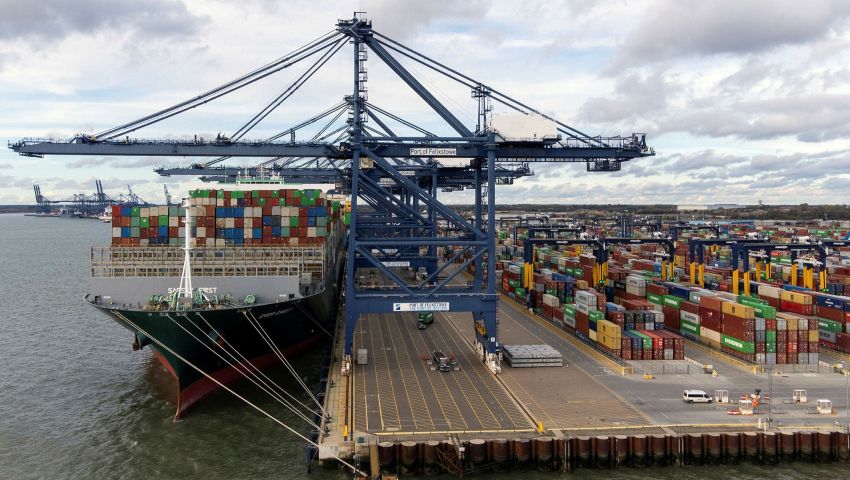
At dawn on the Suffolk coast, cranes move in near silence, steel boxes sliding into place like clues in a puzzle few ever see. No skyscrapers. No trading floors. Just tides, schedules, and a constant, unseen rhythm.
This is where the country’s essentials quietly arrive—and where disruptions ripple nationwide. To understand Britain’s supply chain in 2026, you have to start here.
Every supermarket shelf restock, every next‑day delivery promise, every container of electronics from Asia is quietly decided here — at the Port of Felixstowe. If this port slows, Britain feels it within days.
Located on the Suffolk coast, the Port of Felixstowe remains the UK’s largest and busiest container port in 2026, handling over 4 million TEUs a year and acting as the primary gateway for Asian trade into Britain. This isn’t just infrastructure. It’s leverage.
Introduction: Britain’s Invisible Engine
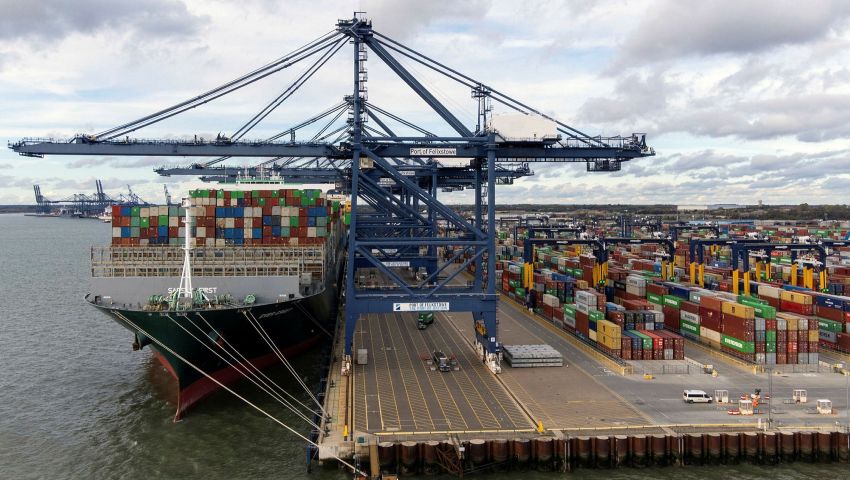
The Port of Felixstowe handles roughly 33–40% of the UK’s containerised trade. More than 2,000 ships dock here each year. Around 58 freight trains run daily from its rail terminals, feeding distribution centres from the Midlands to Scotland.
Yet most people couldn’t point to it on a map.
This guide updates everything you need to know about Felixstowe in 2026 — what it does, why it matters more than ever, and what’s quietly changing beneath the cranes.
A Brief History That Changed Global Trade
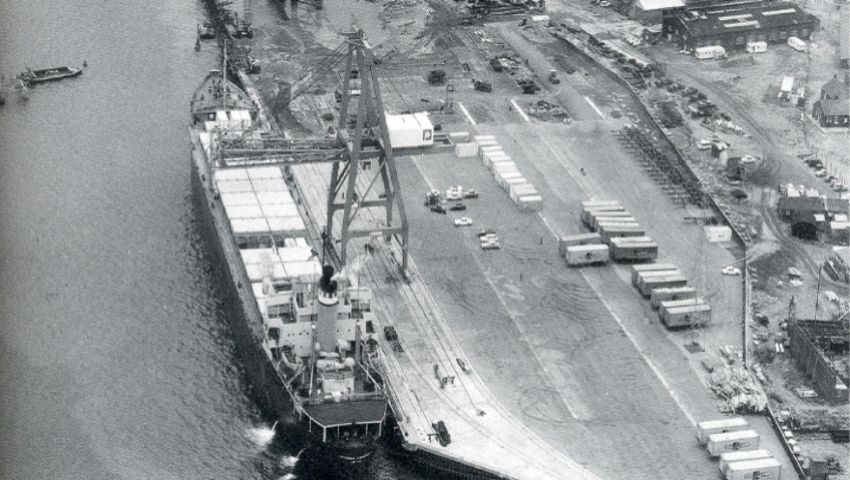
Felixstowe didn’t start as a global giant. In the 19th century, it was a modest dock serving local industry. The transformation began in 1951 with the construction of a deep‑water quay — and accelerated dramatically in 1967 when container handling arrived.
That single decision aligned Felixstowe with the future of global trade.
- World War II: Used as a Royal Navy base and for assembling Mulberry Harbour components
- 1991: Privatised and acquired by Hutchison Ports
- 2000s–2020s: Continuous expansion for mega‑container ships
How the Port Actually Works in 2026
The modern Port of Felixstowe operates like a finely tuned logistics machine.
- Quayside length: approx. 3,773 metres
- Maximum vessel draft: 18 metres
- Ship size: Up to 24,000‑TEU mega‑ships
- Quayside cranes: 28 across multiple terminals
Container Terminals
Felixstowe operates three primary container areas:
- Trinity Terminal – the main deep‑sea hub, heavily automated
- Landguard Terminal (Berths 8 & 9) – high‑volume container handling
- Dooley Ro‑Ro Terminal – roll‑on/roll‑off freight
Rail: The Port’s Quiet Superpower
Felixstowe is Britain’s largest rail‑freight port.
- 3 dedicated rail terminals
- 58 trains per day
- 15 inland destinations
- ~1 million containers moved by rail annually
This removes over 100 million HGV miles from UK roads each year — a major environmental and congestion benefit.
The Economic Reality Most People Miss
The Port of Felixstowe directly employs 3,000+ people. Indirectly, it supports around 30,000–32,000 jobs across logistics, warehousing, rail freight, customs, and retail supply chains.
Its estimated annual economic contribution sits at around £2.5 billion.
When congestion hit in late 2024, UK retailers felt it within weeks. Felixstowe isn’t just a port — it’s a national pressure point.
Who Uses Felixstowe — and Why It Matters
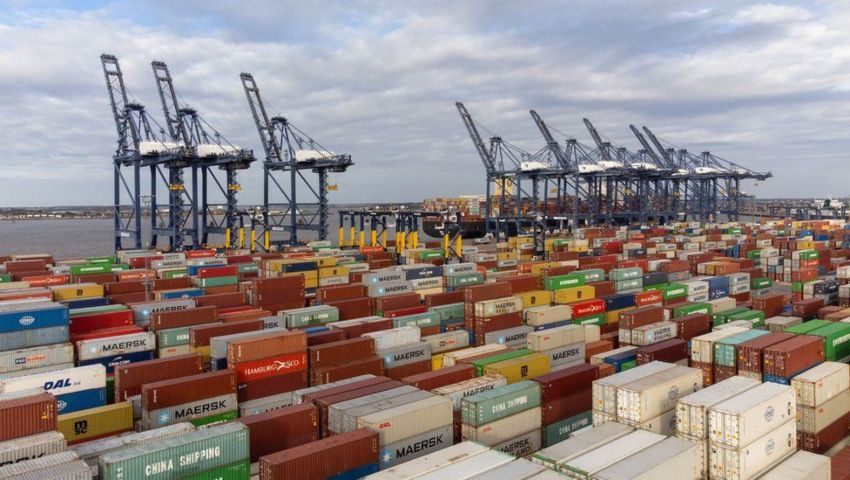
Major global shipping lines still rely on Felixstowe’s scale and connectivity, including:
- MSC
- CMA CGM
- Evergreen
- COSCO
- HMM
Trade routes link Felixstowe to:
- Asia–Europe: China, Singapore, Vietnam, India
- Transatlantic: US East Coast ports
- Short‑sea Europe: Rotterdam, Antwerp, Hamburg
Visitors: What You Can (and Can’t) See
This is a working port, not a theme park — but there are excellent public vantage points.
Landguard Point Viewing Area
Open year‑round, free access. Ideal for watching mega‑ships arrive and depart.
Felixstowe Museum
Address: Ferry Road, Felixstowe IP11 3QU
Typical opening: April–October, 11am–4pm (check official site for 2026 hours).
The Future: Automation, Rail, and Net Zero
Felixstowe is betting on three things:
- Automation: Autonomous trucks and AI‑assisted yard management
- Rail expansion: More inland connections, fewer lorries
- Net Zero targets: Scope 1 & 2 emissions by 2035
Competition from Rotterdam, Antwerp, and London Gateway is intense. Felixstowe’s response isn’t size — it’s speed, connectivity, and resilience.
Location of the Port of Felixstowe
Conclusion: The Port You’ll Never See — But Always Use
You may never set foot inside the Port of Felixstowe.
But the clothes you wear, the phone in your pocket, and the food in your fridge almost certainly passed through it.
Felixstowe isn’t just Britain’s biggest port. It’s the silent infrastructure holding modern life together — one container at a time.