Wholesale Markets in Birmingham: The Insider’s Guide (2026 Update)
You don’t need a van, a trade badge, or a 3am alarm to shop Birmingham’s wholesale markets. You just need to know where to go, when to show up, and how the system really works.
This 2026 insider’s guide breaks it down plainly—access rules, best times, and what’s actually worth buying—so you can walk in confident and get value fast. Let’s start with how the markets are set up.
In 2026, Birmingham’s wholesale markets quietly shape what the city eats, wears, and sells — and they are far more accessible, strategic, and powerful than most residents realise. This isn’t just a guide. It’s a map to how Birmingham actually works beneath the retail surface.
Introduction: Why Wholesale Markets Still Run Birmingham
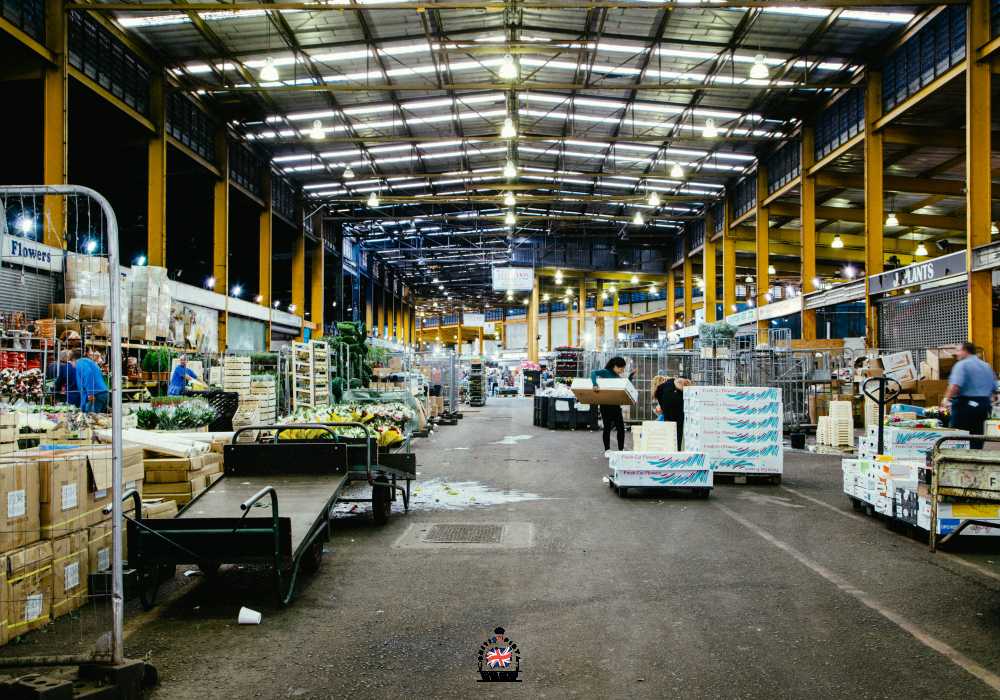
Birmingham is the UK’s second-largest city, but its real economic engine doesn’t sit in shopping centres or high streets.
It wakes up before dawn.
Wholesale markets in Birmingham move thousands of tonnes of food, textiles, and goods every week. Restaurants, corner shops, florists, caterers, fashion sellers, and even online retailers depend on them — often without the public ever noticing.
Understanding these markets doesn’t just save money. It reveals how supply chains, pricing, and opportunity really work in the city.
A 900-Year Advantage: Birmingham’s Wholesale History
Birmingham’s wholesale tradition is older than the city itself.
Royal market charters were granted as early as 1166, anchoring Birmingham’s identity as a trading town long before factories or canals existed. By the 19th century, the Bull Ring and Smithfield areas had evolved into some of the most important trading zones in the Midlands.
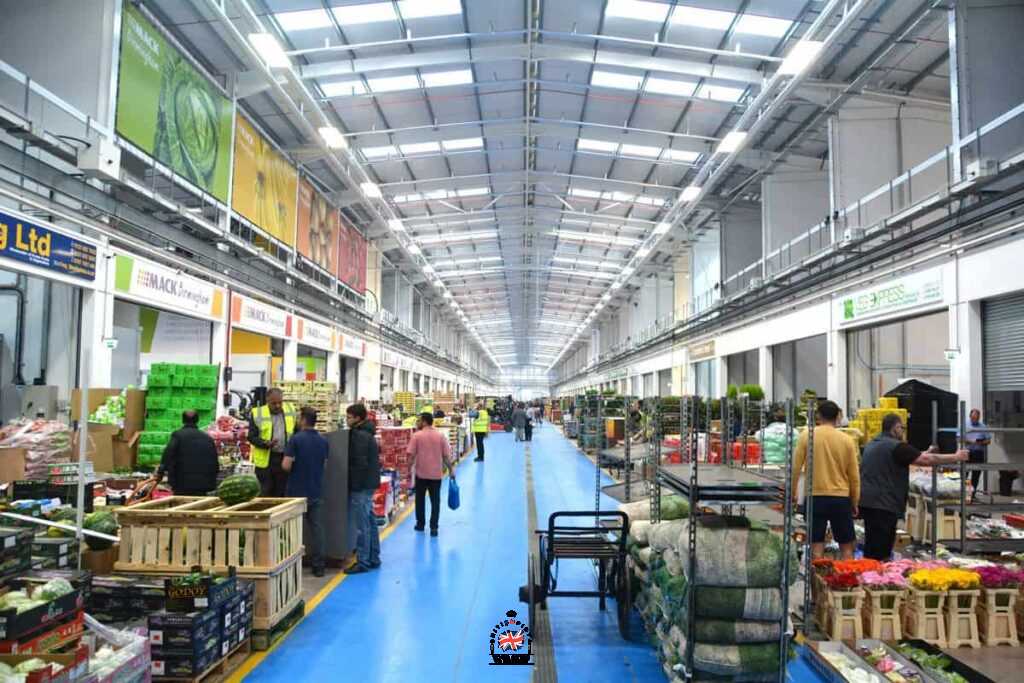
The modern Birmingham Wholesale Markets moved to Witton in the 1970s and were fully redeveloped in the 2010s, creating one of the largest integrated wholesale food sites in Europe — a role they still hold in 2026.
The Markets That Matter in 2026
Not all wholesale markets serve the same purpose. Each one fills a different role in Birmingham’s ecosystem.
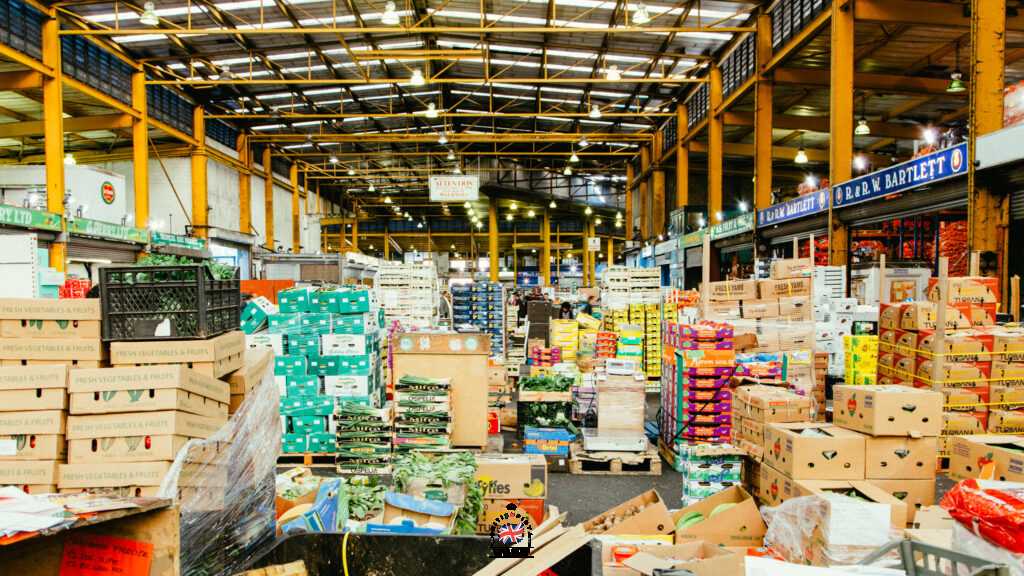
Birmingham Wholesale Market (Witton)
Address: The Hub, 7 Nobel Way, Birmingham, B6 7EU
This is the beating heart of Birmingham’s food supply.
- What’s sold: fruit, vegetables, meat, fish, dairy, flowers
- Who shops here: restaurants, takeaways, caterers, florists, retailers
- Scale: around 90 trading units across 31,000 m²
Opening times (2026):
- Fruit & Vegetable Market: Mon–Fri 03:30–11:30, Sat 03:30–09:30
- Meat, Fish & Dairy: Mon–Fri 03:30–09:30, Sat 03:30–09:30
- Closed Sundays
Entry is free, but children under 16 are not permitted due to health and safety regulations.
Digbeth Wholesale & Trade Zones
Digbeth no longer fits the old definition of a wholesale district.
By 2026, it has become a hybrid zone: fashion wholesalers, pop-up trade sellers, vintage bulk buyers, and creative-market suppliers operating alongside studios and media firms.
- Clothing, textiles, electronics accessories
- Lower minimum order quantities than traditional markets
- Strong overlap with online resale businesses
East End Foods Cash & Carry (Aston)
East End Foods is not just a wholesaler — it’s a supply backbone for South Asian and Middle Eastern cuisine across the Midlands.
- Bulk spices, rice, lentils, frozen goods
- Halal meat and specialist ingredients
- Used heavily by restaurants and caterers
Aston & Hockley Wholesale Clusters
These areas operate as flexible, mixed wholesale zones.
Expect clothing rails sold by the dozen, household goods priced per box, and traders willing to negotiate — especially midweek.
What Things Actually Cost (Realistic 2026 Examples)
Wholesale savings aren’t vague — they’re measurable.
- 10kg onions: £6–£9 (retail equivalent £14–£18)
- Chicken breast (5kg catering pack): £22–£28
- Fresh herbs by the crate: 40–60% below supermarket pricing
- Basic cotton T-shirts (per dozen): £18–£30 depending on quality
Prices fluctuate daily. The earlier you arrive, the better the choice — the later you arrive, the stronger your negotiating power.
Getting There Without a Van
You don’t need a commercial vehicle to shop wholesale.
In 2026, single bus fares across England are capped at £3 per journey, including routes serving Witton and Aston. The cap is confirmed until at least March 2027.
From Birmingham New Street to Witton station: approximately 10 minutes by train, then a short walk.
How Smart Buyers Use These Markets
Successful wholesale shopping isn’t about luck.
- Arrive with a price ceiling in mind
- Walk the market before buying anything
- Ask for unit pricing, not just total cost
- Build relationships — regular buyers get better deals
- Plan transport before you purchase
The Future: What Changes After 2026
Birmingham’s wholesale markets are under pressure — but also full of opportunity.
- Digital pre-ordering for traders is expanding
- Sustainability rules are tightening around packaging waste
- City-centre regeneration (Smithfield) is pushing wholesale further into logistics hubs
What won’t change is this: wholesale markets remain the place where prices are decided before the public ever sees a shelf.
Closing the Loop
If you started this article thinking Birmingham’s wholesale markets were off-limits, outdated, or irrelevant — that was the illusion.
In reality, they are Birmingham’s quiet advantage: invisible to most, essential to everything.
Once you understand them, you don’t just shop differently.
You see the city differently.