Big Ben London: What Everyone Gets Wrong About Britain’s Most Famous Clock (2026 Guide)
At the end of Westminster Bridge, a bell rings on time—and a century of secrets stays locked inside the tower. Names
This isn’t just London’s most photographed landmark. It’s a working machine, a political signal, a Victorian engineering experiment that still beats modern technology—and in 2026, you can finally experience it properly if you know how.

Let’s open the door most guides leave closed.
Big Ben Isn’t the Tower (and That Changes How You Visit It)
Here’s the first mental reset.
Big Ben is not the tower. It’s the bell.
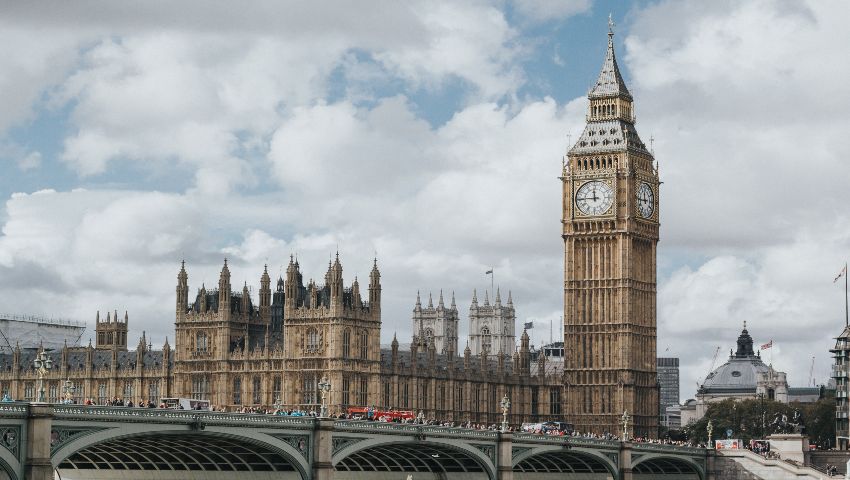
The tower you see dominating Westminster is officially called the Elizabeth Tower, renamed in 2012 to mark Queen Elizabeth II’s Diamond Jubilee. Big Ben is the 13.7‑ton Great Bell housed inside it.
Why does this matter? Because when you try to visit “Big Ben,” what you’re really doing is booking access to one of the most restricted spaces in the UK: a live part of Parliament.
Where Big Ben Actually Stands (Exact Location)
Address:
Elizabeth Tower, Palace of Westminster,
London SW1A 0AA, United Kingdom
The tower sits on the north end of the Palace of Westminster, directly beside the River Thames. Step out of Westminster Underground Station and it fills your entire field of vision.
The Sound You Hear Is a Global Time Signal
Those famous chimes aren’t decorative.
Big Ben’s clock is regulated using old British pennies placed on the pendulum. Adding a single coin changes the clock’s speed by fractions of a second per day—precision that modern digital systems still admire.
Every evening at 6:00pm and midnight, the sound is broadcast live on BBC Radio 4. When you hear it, you’re hearing time being declared—not suggested.
Can You Go Inside Big Ben in 2026? Yes — But It’s Not Casual
This is where most people get it wrong.
There is no walk‑up entry. Interior visits are only possible via an official Elizabeth Tower (Big Ben) guided tour run by UK Parliament.
2026 Big Ben Tour Details:
- Adult ticket: £35
- Child (11–17): £20
- Under 11: Not permitted
- Duration: 90 minutes (1 hour 45 mins total on site)
- Steps: 334 spiral stone steps (no lift)
- Days: Monday–Saturday (subject to Parliamentary schedule)
Tickets are released three months in advance, on the second Wednesday of each month at 10:00am, and often sell out within hours.
Official booking site: tickets.parliament.uk
If Parliament is sitting, tours can be cancelled at short notice. This isn’t a museum. It’s a live seat of government.
What You Actually See Inside (And Why Phones Are Banned)
You don’t just “go up the tower.”
You climb through the mechanism that keeps the United Kingdom on time.
Inside, you’ll:
- Stand beside the original Victorian clock mechanism
- See the four 6.9‑metre clock dials from behind
- Feel the vibration as Big Ben strikes the hour
- Wear ear defenders due to extreme sound levels
Photography is prohibited. Not for drama—but for security.
The Best Free Things to Do Around Big Ben
You don’t need a ticket to make Big Ben unforgettable.
Parliament Square: Walk the perimeter to see statues of Churchill, Mandela and Gandhi—Britain’s values in bronze.
Westminster Bridge: Best views at sunrise. At night, the illuminated dials reflect across the Thames.
Buckingham Palace: 0.7 miles away. About 10 minutes on foot.
Hyde Park: A further 5 minutes beyond Buckingham Palace if you want space and silence.
How to Get to Big Ben (Exact Costs)
Underground: Westminster Station (Jubilee, District, Circle lines). Exit 1.
Bus: Routes 11, 24, 148, 211 stop at Parliament Square. Single fare: £2 (price‑capped nationwide until December 2026).
Walking: From Trafalgar Square: 15 minutes.
Hotels Near Big Ben with Real Views
London Marriott Hotel County Hall
Westminster Bridge Road, London SE1 7PB
A five‑star hotel directly overlooking Big Ben and the Thames. Expect prices from £350–£600 per night depending on season and view.
London Clock Location (Map)
Most people leave Big Ben with a photograph.
But once you understand what’s really happening behind those clock faces—who controls it, how it’s regulated, and why access is limited—you don’t just see a landmark.
You see a nation still keeping time the hard way.