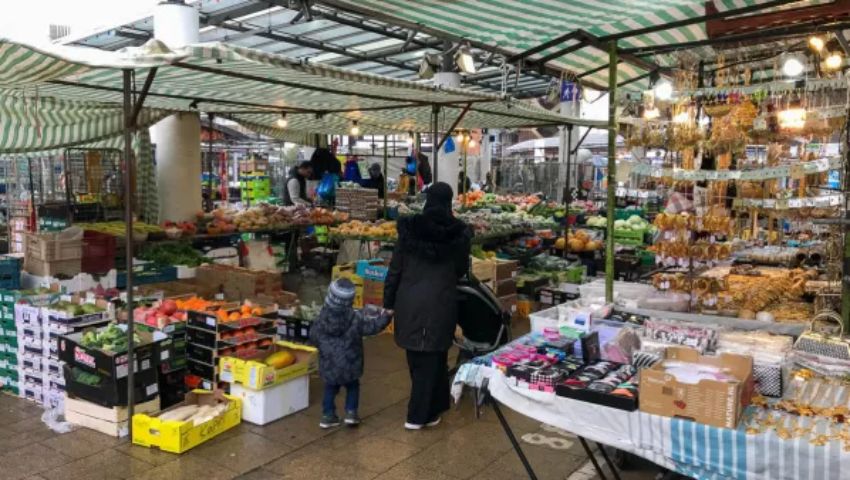
4 Things Most Visitors Miss at Chrisp Street Market London (2026 Guide)
Chrisp Street Market isn’t a place so much as a living map—creases of history, bursts of colour, and voices trading stories as readily as goods. What looks flat at first glance unfolds with depth once you slow your stride.
Look past the obvious stalls and the market starts whispering its secrets. From overlooked corners to rituals hiding in plain sight, here are four things visitors walk straight past—and why they matter.
This isn’t simply a place to buy fruit or grab lunch. It’s the first purpose-built pedestrian shopping centre in Britain, designed in 1951 as a social experiment after the Second World War — and it’s still quietly shaping everyday London life in 2026.
Once you understand what this market really is, you stop treating it like a quick stop… and start experiencing it properly.
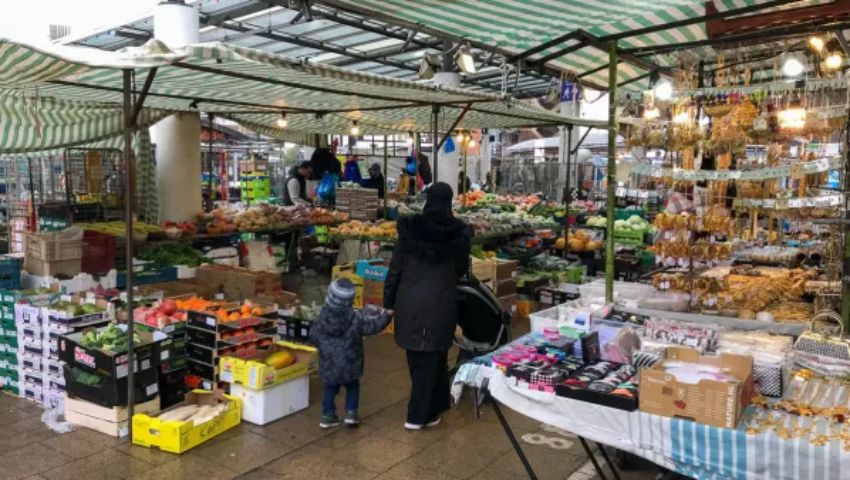
Chrisp Street Market in 2026: What It Actually Is
Chrisp Street Market sits in Poplar, Tower Hamlets (E14 6AQ), just off East India Dock Road. It’s managed by Tower Hamlets Council and Poplar HARCA, with around 80 permanent stalls and shops operating under a covered canopy.
It opens Monday to Saturday, with most stalls trading between 9:00am and 5:00pm. Sundays remain closed, making Saturday the liveliest day if you want the full atmosphere.
Unlike trend-driven markets that change every season, Chrisp Street has stayed rooted in everyday London life. That’s exactly why it still works.
1. Shop for Clothes That Londoners Actually Wear
Tourists often expect vintage boutiques or curated “heritage” fashion.
What they find instead is something rarer: real working London wardrobes.
Chrisp Street’s clothing stalls specialise in affordable everyday wear — coats, work trousers, kids’ clothes, headscarves, seasonal basics — often priced well below central London shops. In 2026, it’s common to see:
• T-shirts from £5–£8
• Winter jackets from £20–£35
• Schoolwear bundles cheaper than chain stores
Some stalls also sell traditional and culturally specific clothing, reflecting Poplar’s Bangladeshi, African, and Caribbean communities. It’s not curated for Instagram — which is exactly the point.
2. Shoes, Household Goods, and the Economics of the Market
Here’s the part most visitors miss: Chrisp Street isn’t about novelty. It’s about function.
Shoe stalls focus on durability over branding — work shoes, trainers, kids’ school shoes — often £10–£20 cheaper than high-street chains. Household goods stalls sell cleaning supplies, bedding, kitchenware, and storage items at prices that reflect local incomes, not tourist demand.
This is why the market survived when others didn’t. It serves a purpose.
3. Fresh Produce Without the “Artisan” Mark-Up
Yes, you can buy fruit and vegetables here — and no, they’re not labelled “heritage tomatoes”.
Produce stalls sell seasonal fruit and veg at prices aimed at weekly shopping, not one-off treats. In early 2026, typical prices include:
• Mixed fruit bowls from £2–£3
• Potatoes £1–£1.50 per bag
• Fresh herbs for under £1
This is one of the few remaining London markets where locals still do full grocery top-ups — not just browsing.
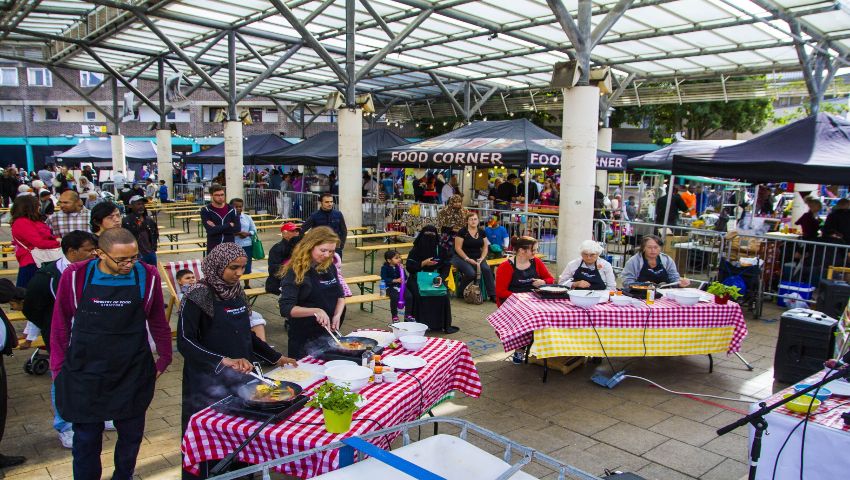
4. Eat Where the Market Breathes
Chrisp Street’s food scene doesn’t shout. It feeds.
Small cafés and takeaway spots around the square serve East End staples alongside South Asian, Chinese, and African dishes. Expect generous portions, fast service, and prices that still make sense in 2026.
• Hot meals typically £6–£10
• Tea or coffee from £1.50–£2.50
Grab food, sit near the clock tower, and watch how the space actually works — parents, pensioners, traders, kids after school. This is the market doing its job.
Opening Hours (2026)
Monday–Saturday: 9:00am – 5:00pm
Sunday: Closed
Individual stalls may open slightly earlier or close later. For seasonal changes or events, check the market’s official channels.
What’s Near Chrisp Street Market?
The market works well as part of a wider East London day out:
• Museum of London Docklands – approx. 2.2 km away
• ArcelorMittal Orbit (Queen Elizabeth Olympic Park) – approx. 3.9 km away
Hotels Close to Chrisp Street Market
If you want to stay nearby, these remain practical options in 2026:
• InterContinental London – The O2 (5★), around 4.9 km away
• Britannia International Hotel Canary Wharf (4★), around 2.8 km away
Both offer good transport links via DLR and Underground to Poplar.
Why Chrisp Street Still Matters
At the start, you thought this was just a market.
Now you know it’s something else: a living piece of post-war Britain that still functions exactly as it was meant to.
Chrisp Street Market doesn’t chase trends. It survives by serving people — quietly, daily, and honestly. And in 2026, that might be the rarest activity of all.