Princess Diana in 2026: The People’s Princess and the Legacy That Still Shapes Britain
Nearly three decades on, Princess Diana still moves through Britain like a half-solved riddle. Her image flickers in memory, but her presence lingers—quiet, unresolved, refusing to stay sealed in history.
In 2026, her influence surfaces in unexpected places: public trust, royal distance, unfinished questions. To understand why her shadow still shapes the nation, you have to follow the traces she left behind.
But here’s the uncomfortable truth in 2026:
Diana is shaping the present more than many living royals ever will.
From how the monarchy communicates emotion, to how Britain understands humanitarian power, to how public figures talk about mental health without armour — we are still living in a world quietly redesigned by the People’s Princess.
What We Think We Know About Diana — And What We Miss
The common story goes like this: shy aristocrat, fairytale wedding in 1981, troubled marriage, tragic death.
That version is neat. Comfortable. And incomplete.
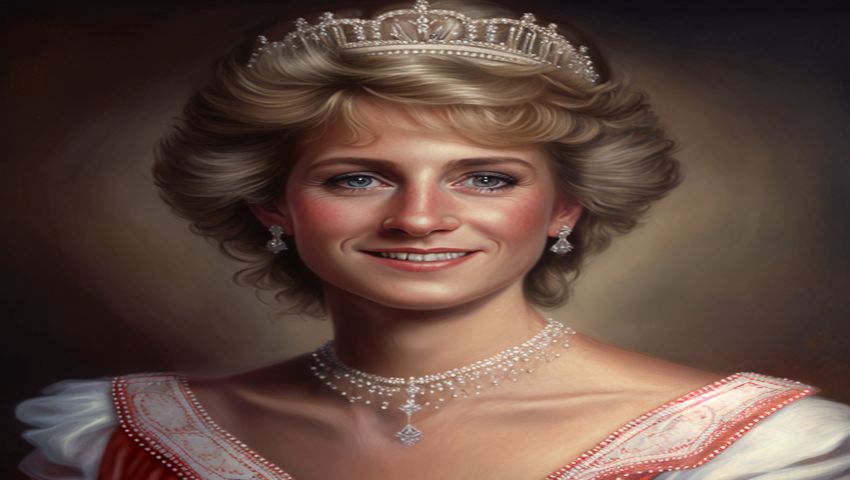
Diana Frances Spencer, born 1 July 1961, did not simply humanise the monarchy.
She permanently raised the emotional price of power.
After Diana, silence stopped being neutral. Distance stopped being dignified. And the public began expecting something radical from its institutions: visible humanity.
Why “The People’s Princess” Wasn’t a Compliment — It Was a Warning
The nickname stuck because it exposed a contrast.
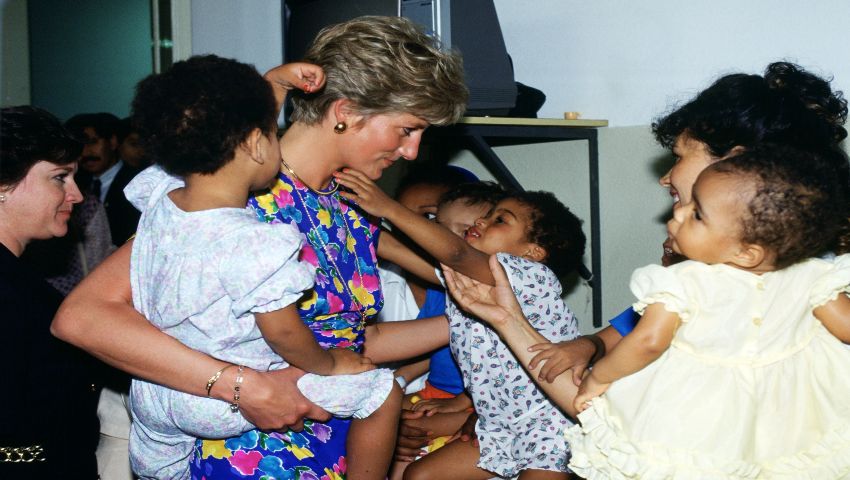
Diana touched AIDS patients in hospitals when fear still ruled. She knelt to children instead of towering above them. She cried in public — and didn’t apologise.
This wasn’t softness.
It was disruption.
The Moment Diana Changed Global Policy (And Most People Don’t Realise It)
January 1997. Huambo, Angola.
Diana walks through an active minefield wearing body armour and a visor.
No speech. No palace statement.
Just one image — broadcast around the world.
Within months, the Ottawa Treaty banning anti-personnel landmines was signed in December 1997. As of 2026, 164 countries have joined the treaty, reshaping warfare norms globally.
Demining organisations like The HALO Trust and Mines Advisory Group continue clearing millions of square metres of land every year — work directly accelerated by Diana’s intervention.
The HIV Moment That Quietly Rewired Compassion
In April 1987, Diana shook hands with an HIV-positive patient at Middlesex Hospital.
No gloves.
At a time when misinformation killed as effectively as the virus, that single gesture travelled further than any leaflet or lecture.
Public attitudes shifted. Funding followed. Language softened.
That is what influence looks like when it’s real.
Diana and Mental Health: Saying It First, Paying the Price
When Diana spoke openly in the 1995 BBC Panorama interview about bulimia, depression, and self-harm, the reaction wasn’t applause.
It was shock.
In 2026, public figures regularly discuss mental health. Campaigns are funded. Awareness weeks fill calendars.
Diana did it when it still cost reputation.
She normalised vulnerability before it was safe.
How Diana Rewrote Royal Parenting — And You See It Today
Diana insisted on school runs, theme parks, fast food queues.
She made princes wait, feel awkward, laugh with strangers.
In 2026, that legacy is obvious.
From Prince William’s emphasis on homelessness initiatives to Prince Harry’s continued work with landmine charities, the emotional blueprint is unmistakably hers.
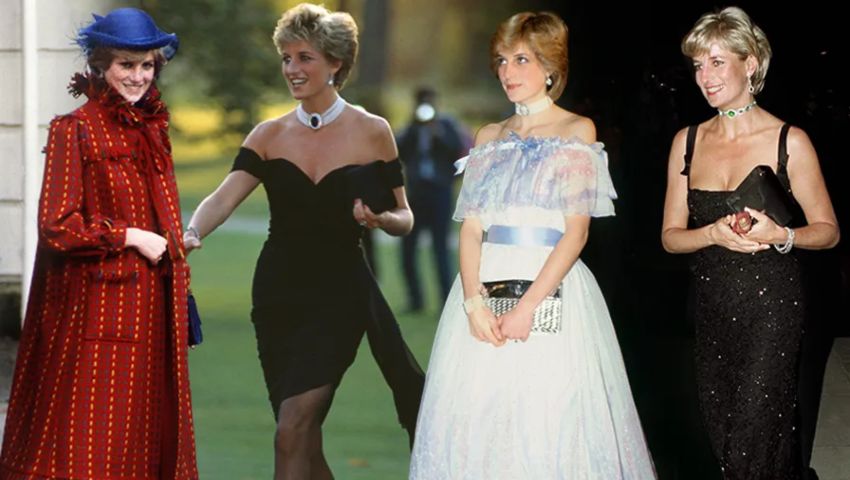
Diana’s Fashion Was Never About Clothes
People still talk about the dresses.
The Emanuel wedding gown. The Christina Stambolian “revenge dress”.
But the real statement was control.
Diana used fashion as language — diplomacy stitched in silk.
What the Data Still Shows in 2026
Long after her death, public opinion remains strikingly consistent.
A nationally cited Opinium survey found 91% of Britons believed Diana had a positive impact on the monarchy, with 74% calling her a strong role model.
Few public figures — royal or otherwise — achieve that level of posthumous consensus.
The Question Diana Leaves Us With
Diana wasn’t powerful because she broke rules.
She was powerful because she refused to hide.
In a Britain that still struggles with trust, institutions, and empathy, her real legacy isn’t nostalgia.
It’s a challenge.
If compassion had a public face once — why shouldn’t it again?