
First Class Postage UK: What Really Happens After You Post (2026 Guide)
First Class Postage still promises speed, but the reality in 2026 is more complex than a simple next‑day dash. Behind every stamp is a tightly timed network of post boxes, collection windows, regional hubs and automated sorting lines.
From the moment your letter drops through the slot, a chain of decisions determines how fast it moves—or why it stalls. Here’s what actually happens after you post First Class in the UK.
That belief is comforting. It’s also incomplete.
Because in 2026, First Class post is less about guaranteed speed and more about probability, timing, and knowing the system’s pressure points. If you understand those pressure points, your mail usually flies. If you don’t, it quietly slips a day—or three—without breaking any official promise.

📮 The Quiet Truth About First Class Post in the UK
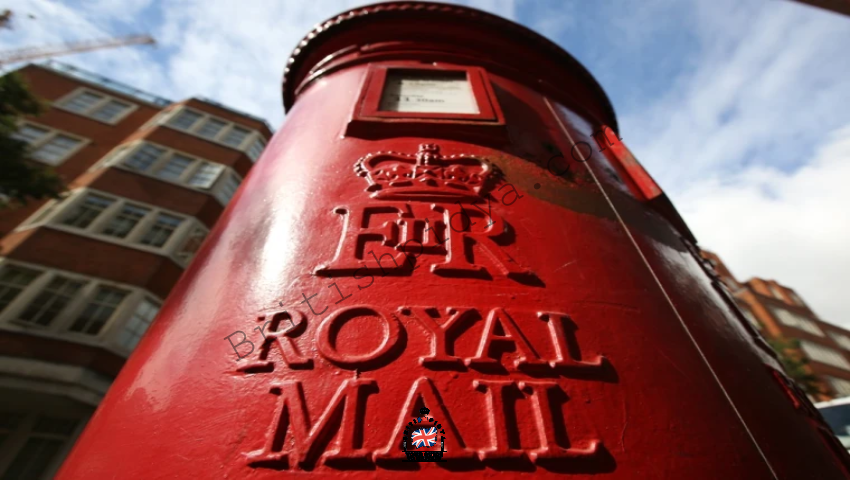
Royal Mail aims to deliver First Class letters and parcels the next working day, including Saturdays.
But “aims” is doing a lot of work in that sentence.
First Class is not guaranteed. It is a priority lane, not a contract. And once you accept that, the service makes far more sense.
📬 What First Class Post Actually Promises (2026)
Here’s what Royal Mail officially commits to in 2026:
- Delivery aim: Next working day (Monday–Saturday)
- Coverage: Same price to any UK address
- Compensation: Up to £20 for loss or damage
- Tracking: No end‑to‑end tracking (delivery confirmation for parcels only)
That’s it. No time slot. No refund if it’s late. No alerts unless you upgrade.
💷 First Class Stamp Prices (UK, 2026)
Prices matter because they quietly influence behaviour—and volume affects speed.
- First Class letter (up to 100g): £1.70
- First Class large letter (up to 100g): £3.15
- Compensation included: Up to £20
These prices apply nationwide and are current as of January 2026. For heavier or thicker items, exact rates depend on size and weight—always check Royal Mail’s price finder before posting.
⏱️ When First Class Post Usually Arrives
Most First Class mail that arrives “late” wasn’t delayed at all—it simply missed the invisible cut‑off.
Here’s how delivery typically plays out:
- Posted before last collection: Often delivered the next working day
- Posted after last collection: Treated as next day’s mail
- Saturday delivery: Included at no extra cost
- Bank holidays: No collections or deliveries
If your letter hasn’t arrived, it isn’t officially considered “lost” until 10 working days after its due delivery date. Only then can a compensation claim be made.
🔄 What Actually Slows First Class Mail Down
People blame distance. Distance matters less than you think.
These are the real variables:
📍 Posting Time (The Biggest Factor)
Miss the final collection at your Post Office or postbox—often between 4:30pm and 6pm—and your item effectively waits overnight.
📨 Volume Surges
Christmas, tax deadlines, elections, and retail sales all flood the system. First Class stays priority—but priority within a crowded lane.
🌦️ Weather and Disruption
Flooding, snow, and transport strikes still ripple through sorting hubs. Royal Mail publishes disruption updates, but delays often resolve quietly.

🚀 How to Make First Class Work For You
If speed matters but guarantees don’t, First Class is still powerful—if you use it correctly.
- Post before noon whenever possible
- Use clear, block capitals for handwritten addresses
- Include the full postcode (this alone speeds sorting)
- Avoid peak weeks if timing is critical
And if timing truly matters—legal documents, passports, high‑value items—don’t fight the system.
Use Special Delivery Guaranteed by 1pm. It costs more, but it comes with tracking, a delivery guarantee, and up to £750 compensation.
🎯 First Class vs Special Delivery (Quick Comparison)
- First Class: £1.70 · Aim: next working day · £20 cover · No guarantee
- Special Delivery by 1pm: Higher cost · Guaranteed · Tracked · £750 cover
🎈 The Takeaway Most People Miss
First Class post isn’t slow.
It’s predictable—once you understand what it does and does not promise.
When you stop treating it like a guarantee and start treating it like a priority lane with rules, it becomes one of the most reliable everyday services in the UK.
The envelope hasn’t changed. Your understanding has.