Newcastle University Explained: Rankings, Fees, Life & Reality in 2026
Choosing a university is less like picking a trophy and more like packing for a long journey. Rankings are the signposts, fees the weight in your bag, and campus life the weather you’ll live in every day.
Newcastle University sits at a crossroads of reputation, cost, and real student experience. To see what the road actually looks like in 2026, it’s time to unpack the details.
It’s about leverage: where three years of your life quietly compound into opportunities you didn’t even know existed. And in 2026, Newcastle University is one of the UK institutions where that leverage is far stronger than its reputation suggests.
Newcastle University in 2026: The Reality, Not the Brochure
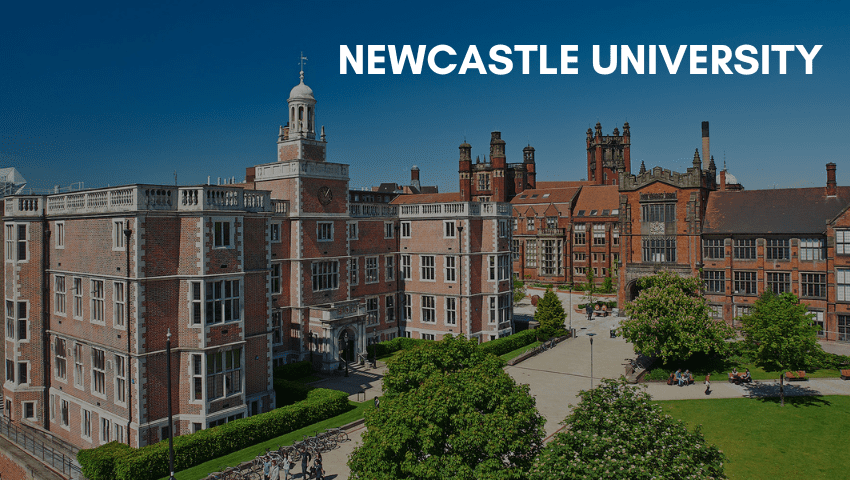
Founded in 1834, Newcastle University sits at the centre of Newcastle upon Tyne, not sealed away on a distant campus. In the 2025–26 academic year, the university educates around 29,000 students from over 135 countries, making it one of the UK’s most internationally diverse Russell Group universities.
But here’s the part many guides miss: Newcastle combines research‑intensive credibility with one of the UK’s lowest big‑city living costs. That gap alone changes the economics of studying here.
Rankings & Reputation: Where Newcastle Actually Stands
In 2026 league tables, Newcastle University consistently sits where ambition meets credibility:
- 31st in the UK (Complete University Guide 2026)
- 144th globally (Times Higher Education World Rankings 2026)
- World Top 140 (QS World University Rankings 2026)
Translation? Recruiters recognise the name instantly, especially in medicine, engineering, business, and research‑led roles. You’re not paying for prestige inflation—you’re buying credibility at a rational price.
Courses That Matter (And Why Employers Care)
Newcastle offers 185+ undergraduate and 270+ postgraduate programmes across three main faculties:
| Faculty | Strengths |
|---|---|
| Medical Sciences | Medicine, Dentistry, Biomedical Sciences, Psychology |
| Science, Agriculture & Engineering | Engineering, Computing, Environmental Sciences |
| Humanities & Social Sciences | Law, Business, Architecture, Politics, Languages |
The Newcastle University Business School holds triple accreditation (AACSB, AMBA, EQUIS)—a credential shared by fewer than 1% of business schools worldwide.
Tuition Fees in 2026 (Exact Numbers)
For students starting or continuing in the 2026–27 academic year:
| Student Type | Tuition Fees |
|---|---|
| UK (Home) Undergraduate | Up to £9,535 per year |
| Postgraduate Taught (UK) | £7,500 – £13,500 per year |
| International Undergraduate | £18,000 – £28,000 per year |
| International Postgraduate | £17,000 – £32,000 per year |
Fees vary by course. Always confirm on the official course page at ncl.ac.uk.
Scholarships in 2026: Real Money, Not Fine Print
Newcastle University invests millions of pounds annually into student funding. For 2026 entry, key options include:
- Vice‑Chancellor’s International Scholarship: £7,000 tuition reduction
- Global Scholarships: Up to £8,000 or full tuition coverage
- Sanctuary Scholarships: Full tuition + living support for refugees
- Commonwealth & research studentships for postgraduates

Student Life: Why Newcastle Feels Different
Newcastle consistently ranks among the UK’s best student cities for one simple reason: life is affordable without being boring.
In 2026, typical student living costs:
- Rent (shared accommodation): £450–£650/month
- Bus fares: £2 single (national cap extended to 2026)
- Weekly groceries: £35–£45
The Students’ Union hosts 160+ societies and over 60 sports clubs, backed by a £30 million sports facility investment.

Graduate Outcomes: What Happens After?
Newcastle students don’t lose access to support at graduation. The Careers Service provides up to three years of post‑graduation support, including employer connections and interview coaching.
Graduate outcomes data for 2025–26 shows over 80% of graduates in employment or further study within 15 months.

Contact & Location
Address: Newcastle University, Newcastle upon Tyne, NE1 7RU, UK
Phone: +44 (0)191 208 6000
Website: https://www.ncl.ac.uk/
So What’s the Truth About Newcastle University?
If you came here expecting another generic university guide, you were looking in the wrong place.
Newcastle University isn’t about chasing the loudest prestige. It’s about quietly stacking ad[Newcastle University Scholarships 2026-27 in UK [Fully Funded] | Apply Now](https://opportunitiesinfo.com/newcastle-university-scholarships-in-uk-2026/)vantages—rankings that matter, costs that don’t suffocate you, and a city that lets students live like humans.
The question isn’t whether Newcastle is “good enough”. It’s whether you’re paying attention to where the real leverage is in 2026.