
University of Plymouth: The Coastal Degree That Quietly Outperforms (2026 Guide)
The University of Plymouth isn’t trading on scenery; it’s delivering results. From graduate outcomes to research impact, this coastal campus punches above its weight in ways league tables often miss.
In 2026, the gap between reputation and performance is impossible to ignore—especially for students chasing value, employability, and real-world learning. Here’s where Plymouth quietly outperforms expectations, and why it deserves a closer look.
Because what many prospective students miss is this: Plymouth has quietly become one of the UK’s strongest universities for applied degrees, sustainability-led research, and graduate outcomes—while remaining significantly more affordable than most Russell Group cities.
This is not just a university by the sea. It’s a university that uses its location, research focus, and industry links as an advantage—and in 2026, that matters more than prestige alone.
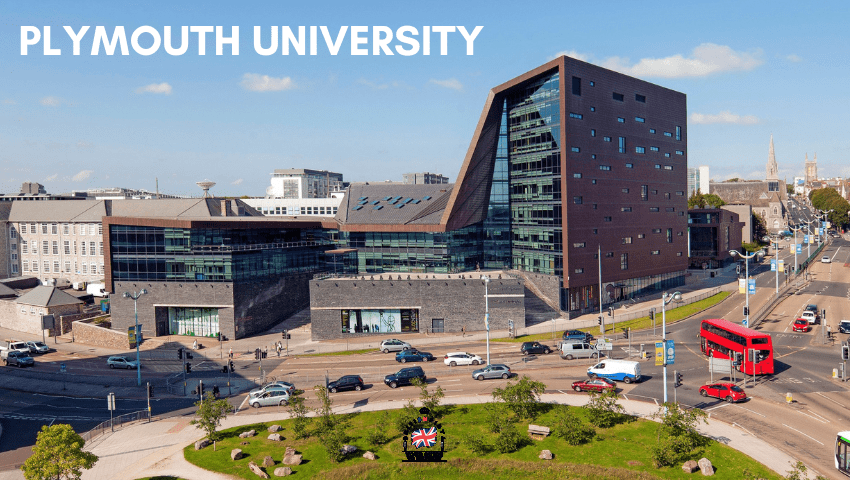
Why Plymouth University Matters More in 2026 Than You Think
The University of Plymouth was founded in 1862 as a School of Navigation. That origin still defines it.
Today, Plymouth is a research-led, sustainability-focused university ranked in the 501–600 band globally in the Times Higher Education World University Rankings 2026, with standout strength in marine science, health, psychology, environmental science, and applied engineering.
In the UK, it sits around 75th nationally in the Complete University Guide 2026—but rankings only tell half the story.
The real story is outcomes: employability, cost of living, teaching quality, and how quickly graduates move into meaningful work.
A Coastal Location That Actually Works for Students
Plymouth isn’t London. That’s the point.
In 2026, Plymouth remains one of the most affordable student cities in England. Average private rent for a student room typically ranges from £110–£150 per week, compared to £220+ in London and £170+ in Bristol.
The main campus sits in the city centre, within walking distance of:
- Plymouth Railway Station (12–15 minutes)
- Drake Circus Shopping Centre
- The Hoe and waterfront
- Major bus routes (single fare £2, capped nationwide until at least December 2026)
This compact layout reduces travel costs and time—something students feel immediately.

Academic Strengths: Where Plymouth Quietly Wins
Plymouth doesn’t try to be everything. It focuses where it wins.
In 2026, the university is particularly strong in:
- Marine & Ocean Science (globally recognised)
- Environmental Science & Sustainability
- Health, Nursing & Medicine
- Psychology & Health Professions
- Engineering, Robotics & Computing
- Education & Social Sciences
The university operates across five main academic faculties and offers hundreds of undergraduate and postgraduate programmes, with a strong emphasis on real-world application, placements, and employer-linked projects.
| Department | Faculty |
|---|---|
| School of Art, Design and Architecture | Arts, Humanities & Business |
| Plymouth Business School | Arts, Humanities & Business |
| School of Law, Criminology and Government | Arts, Humanities & Business |
| School of Biological and Marine Sciences | Science & Engineering |
| School of Engineering, Computing and Mathematics | Science & Engineering |
| School of Psychology | Health |
| School of Nursing and Midwifery | Health |
| Peninsula School of Medicine and Dentistry | Health |
Tuition Fees in 2026: What You’ll Actually Pay
Here’s where Plymouth becomes genuinely strategic.
Home students (England):
- Undergraduate tuition: £9,250 per year
International students (2026 entry):
- Most undergraduate programmes: £14,000 – £17,750 per year
- Laboratory and clinical courses: £16,600 – £25,400 per year
- Postgraduate taught programmes: typically £14,200 – £18,000+
Exact fees vary by course and faculty—always check the official course page for confirmation.
Scholarships That Actually Reduce the Bill
Plymouth is unusually generous with international funding.
In 2026, key options include:
- International Undergraduate Welcome Scholarship: up to £6,000 total
- Vice-Chancellor’s International Academic Excellence Scholarship: up to 50% tuition reduction
- Faculty-specific awards and bursaries
Important rule: students can usually hold one major university scholarship at a time—the highest value is applied.
Student Experience: What It’s Really Like
Plymouth students consistently describe the same thing: support.
The university has invested heavily in:
- 24/7 library and digital resources
- Mental health and wellbeing services
- Careers support for life (not just while studying)
- Modern labs, clinical suites, and engineering facilities

International Students: The Quiet Advantage
Roughly 12% of Plymouth’s students are international—enough to feel global, not enough to feel anonymous.
Support includes visa guidance, English language programmes, dedicated international advisers, and structured arrival weeks.
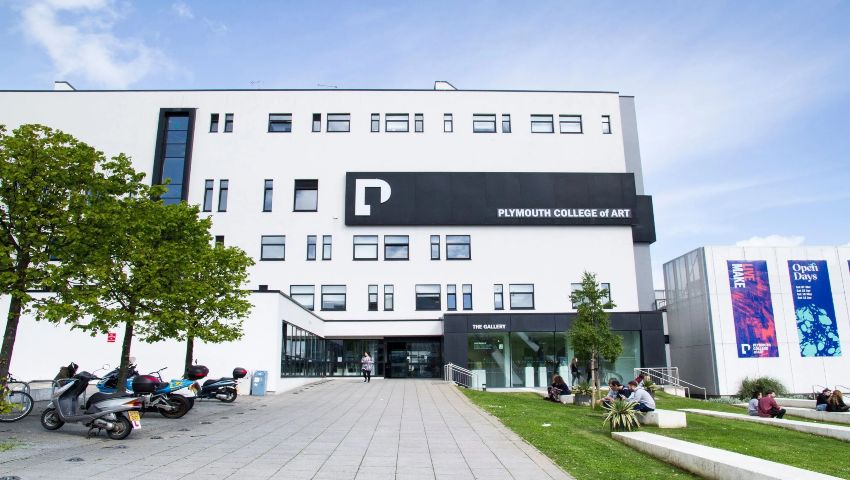
Graduates, Careers, and Real Outcomes
Over 6,000 students graduate from Plymouth each year.
Graduate Outcomes data shows strong employment rates, particularly in health, education, marine science, and engineering. The university’s sustainability research—especially around oceans and climate—continues to attract global employers.

How to Contact the University of Plymouth
Main enquiries: +44 1752 585858
International team: international@plymouth.ac.uk
Address: University of Plymouth, Plymouth, Devon, PL4 8AA, United Kingdom
Conclusion: The University People Underestimate
People assume Plymouth is a lifestyle choice.
In reality, it’s a strategy.
A strategy for graduating with less debt, stronger applied skills, real research experience, and a degree that employers understand.
If you’re choosing a university for outcomes—not just reputation—the University of Plymouth deserves serious attention in 2026.