Pwllheli Beach: The Complete, Honest Guide for 2026
You don’t come to
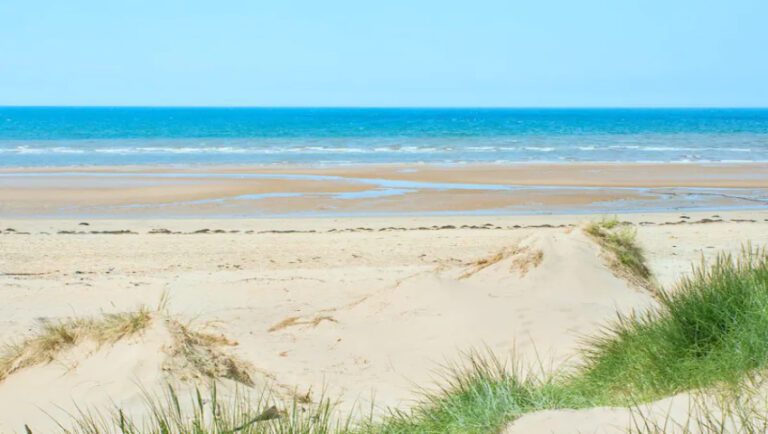
Pwllheli Beach is one of the few places in Wales where a working harbour town, a Blue Flag shoreline, and four miles of open Cardigan Bay coastline quietly overlap. If you arrive thinking this is a quick photo stop, you’ll leave wishing you’d planned at least two nights.
This is the full, updated 2026 guide to Pwllheli Beach — what matters, what’s changed, and what first‑time visitors almost always miss.

Where Pwllheli Beach actually is (and why that matters)
Pwllheli Beach — known locally as Traeth Marian‑y‑De — sits on the south coast of the Llŷn Peninsula in Gwynedd, North Wales. It faces directly into Cardigan Bay, which means two things most guides don’t tell you.
First: it gets more consistent sunshine than many north‑facing Welsh beaches. Second: the sea deepens faster than you expect, making it excellent for confident swimmers — and something to respect if you’re visiting with children.
The beach stretches for around 4 miles, from Gimblet Rock in the east to the edge of Llanbedrog in the west. A promenade runs along much of its length, making it one of the most walkable seaside beaches in Wales.
Is Pwllheli Beach Blue Flag in 2026?
Yes — the South Beach area of Pwllheli continues to meet Blue Flag standards for water quality and safety in 2026, following major investment in seafront improvements and dune management.
This matters because Blue Flag status isn’t cosmetic. It requires:
- Regular water quality testing
- Clean, well‑managed beach areas
- Clear safety signage
- Access to toilets and waste facilities
In practical terms: the water is monitored, the beach is maintained, and facilities are reliable during peak season.
Things to do on Pwllheli Beach (that aren’t obvious)
Most visitors walk the promenade, sit on the shingle, and leave.
That’s the shallow version of Pwllheli.
Here’s what regulars actually do:
1. Walk the full Marian‑y‑De stretch
Start near Gimblet Rock and walk west as the coastline slowly opens. On clear days you’ll see across Cardigan Bay towards Abersoch and the Cambrian Mountains. It’s flat, exposed, and surprisingly peaceful once you move away from the town centre.
2. Sailing and watersports at Pwllheli Marina
Pwllheli Marina is one of the largest on the Welsh coast. Sailing, kayaking, paddleboarding and power boating operate year‑round, with peak availability from April to September.
If you’ve never sailed before, beginner sessions and short courses are available locally — you don’t need prior experience.
3. Swimming (with awareness)
The water quality is excellent, but the seabed shelves steeply in places. Stick to designated swimming areas and watch tide times if you’re entering from quieter sections of the beach.
4. Cycling the promenade
The promenade is popular with cyclists, especially early mornings and evenings. It’s one of the easiest coastal rides on the Llŷn Peninsula.
Dog rules at Pwllheli Beach (important)
This catches people out every summer.
From 1 April to 30 September, dogs are restricted from a clearly marked section of the beach directly in front of the promenade.
Outside that zone, and across much of the wider beach, dogs are allowed year‑round. Always check local signage when you arrive — enforcement does happen during peak season.
Parking at Pwllheli Beach (2026 prices)
Parking is one of Pwllheli’s quiet advantages.
Along the promenade and nearby council car parks, you’ll typically pay:
- £1.55 for 1 hour
- £3.10 for 2 hours
- £4.60 for up to 3 hours
Some areas offer free parking outside peak daytime hours. Private car parks near the beach charge around £6 for a full day. Always check signage, as limits vary by location.
Facilities you can rely on
Pwllheli Beach is well‑equipped without feeling commercial.
- Public toilets at both ends of the promenade
- Cafés and ice‑cream kiosks near the marina end
- Step‑free promenade access
- Disabled parking spaces in council car parks
Best places to stay near Pwllheli Beach
Staying close changes the experience. Early mornings and long sunsets are when Pwllheli is at its best.
The Marine Hotel
Overlooking the beach and marina, The Marine Hotel is centrally located and ideal if you want to be steps from the promenade. It offers on‑site dining, leisure facilities, and easy access to the town centre.
The Imperial Hotel
A popular choice for visitors exploring the wider Llŷn Peninsula. Set slightly back from the seafront, it’s well‑placed for coastal walks and day trips.
Plas Heli Marina & Spa
For something more modern, Plas Heli offers marina views, spa facilities, and easy access to both beaches and sailing activities.
How to get to Pwllheli Beach
Pwllheli is accessible by road and rail.
The town has a railway station with direct services from Machynlleth, connecting onward to Shrewsbury and Birmingham. By car, follow the A497 onto the Llŷn Peninsula.
Once in town, the beach is walkable from the centre in under 10 minutes.
The truth about Pwllheli Beach
Pwllheli doesn’t shout.
It doesn’t compete with resort towns or package destinations. What it offers instead is space, light, working‑town authenticity, and a coastline that feels useful rather than staged.
If you arrive expecting “just a beach,” you’ll miss it.
If you arrive curious — and stay long enough to walk its length — Pwllheli quietly earns its place among the best beaches in Wales.