The Royal Family of the UK Explained: Power, Money & Meaning (2026 Guide)
The British Royal Family isn’t just pageantry—it’s a working institution
But in 2026, that belief is incomplete.
The UK’s Royal Family is not a relic of the past. It is an active, living system that shapes land ownership, tourism, charity funding, diplomacy, and even renewable energy — often invisibly.
This is not a fan guide. And it’s not a history textbook.
This is a clear-eyed, 2026 guide to what the Royal Family actually does, why it still matters, and where its real influence lies — far beyond the balcony.
Who Leads the Royal Family in 2026?
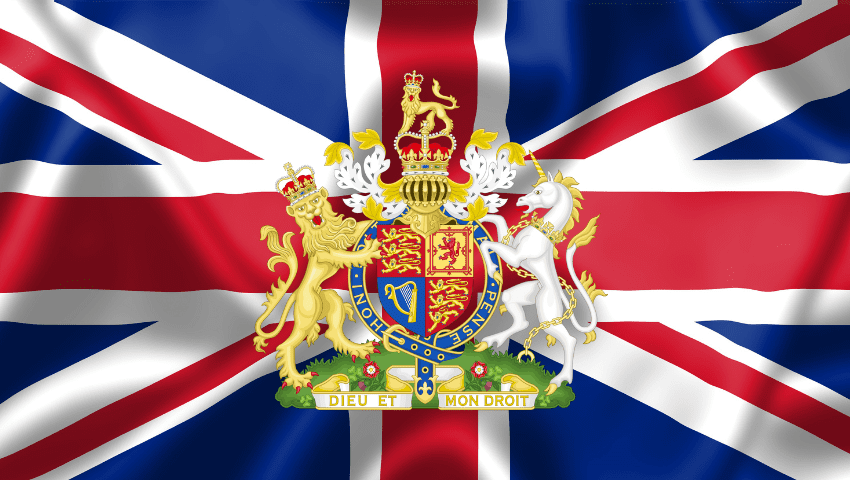
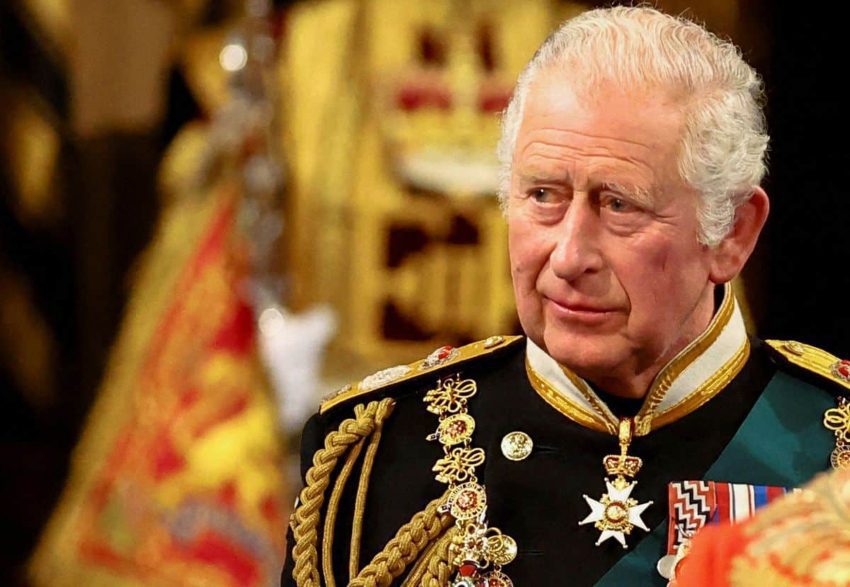
The reigning monarch of the United Kingdom is King Charles III.
He acceded to the throne on 8 September 2022 following the death of Queen Elizabeth II and was formally crowned at Westminster Abbey on 6 May 2023.
As of January 2026, King Charles III remains Head of State of the UK and 14 other Commonwealth realms. His heir is William, Prince of Wales.
But here’s the part most people miss.
The King does not rule — but he anchors the system.
The Royal Family Is a Constitutional Machine
The UK is a constitutional monarchy.
That means Parliament governs, the Prime Minister leads, and the monarch operates within strict constitutional limits.
Yet the monarch still performs essential state functions:
- Appointing the Prime Minister
- Opening and dissolving Parliament
- Granting Royal Assent to legislation
- Representing the UK in state diplomacy
- Serving as Head of the Armed Forces and the Church of England
These acts are ceremonial — but symbolism is not meaningless.
A 1,100-Year Institution That Refused to Disappear
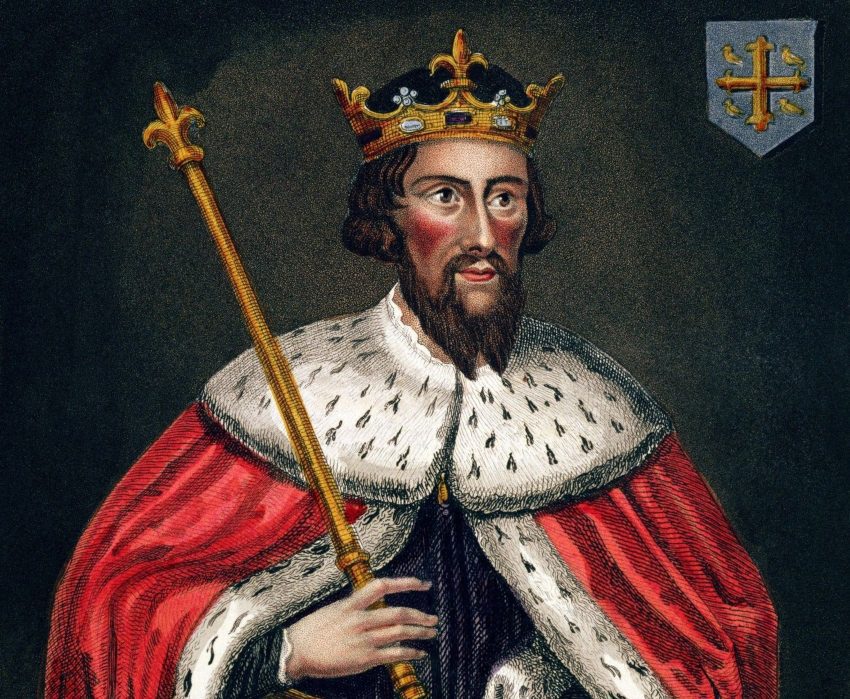
The British monarchy traces its roots back over 1,100 years, often to the reign of King Alfred the Great in the 9th century.
It survived civil war. It survived execution.
In 1649, King Charles I was beheaded. The monarchy was abolished. England became a republic.
Eleven years later, it returned — weaker, constrained, but smarter.
From that point on, the monarchy adapted instead of resisting change. That adaptation is why it still exists.
The Modern Royal Family: Smaller, Leaner, More Scrutinised
The 21st-century Royal Family operates under constant public and media scrutiny.
Since 2020, the institution has deliberately slimmed down. By 2026, only a core group of “working royals” carry out full-time duties.
This includes:
- King Charles III and Queen Camilla
- William, Prince of Wales, and Catherine, Princess of Wales
- Princess Anne
- The Duke and Duchess of Edinburgh
The goal is simple: fewer royals, clearer roles, greater accountability.
The Money Question Everyone Asks (But Rarely Understands)
Let’s be precise.
The Royal Family does not personally own most of what people think it owns.
The Crown Estate — which includes vast landholdings, London property, and the UK seabed — is owned by the Crown in right of the nation.
In the 2024–2025 financial year, the Crown Estate generated approximately £1.1 billion in net revenue profit, paid directly to the UK Treasury.
The monarch receives only a portion back via the Sovereign Grant to fund official duties.
This is why the Royal Family is economically unusual: it costs money, but it also generates it.
Tourism, Charity, and Soft Power
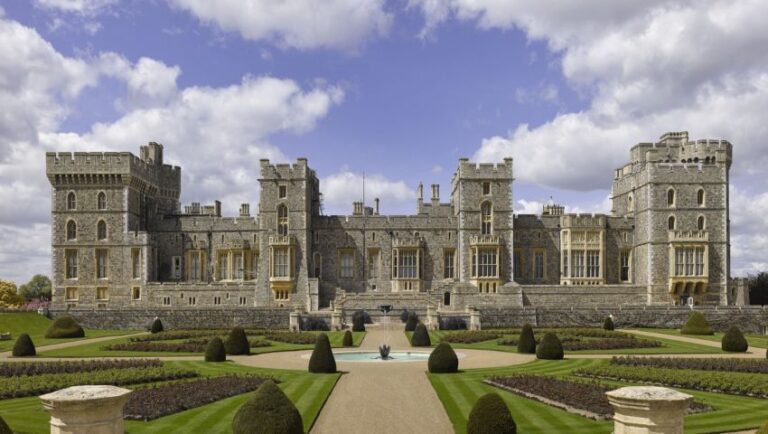
Royal residences such as Buckingham Palace, Windsor Castle, and the Palace of Holyroodhouse attract millions of visitors annually.
Entry to Buckingham Palace during summer opening typically costs around £30 for adults (check the official Royal Collection Trust website for 2026 prices).
Beyond tourism, the Royal Family supports over 1,000 charities and organisations through official patronages — spanning mental health, homelessness, arts, education, and the armed forces.
This is not governance. It is influence.
Queen Elizabeth II: The Benchmark
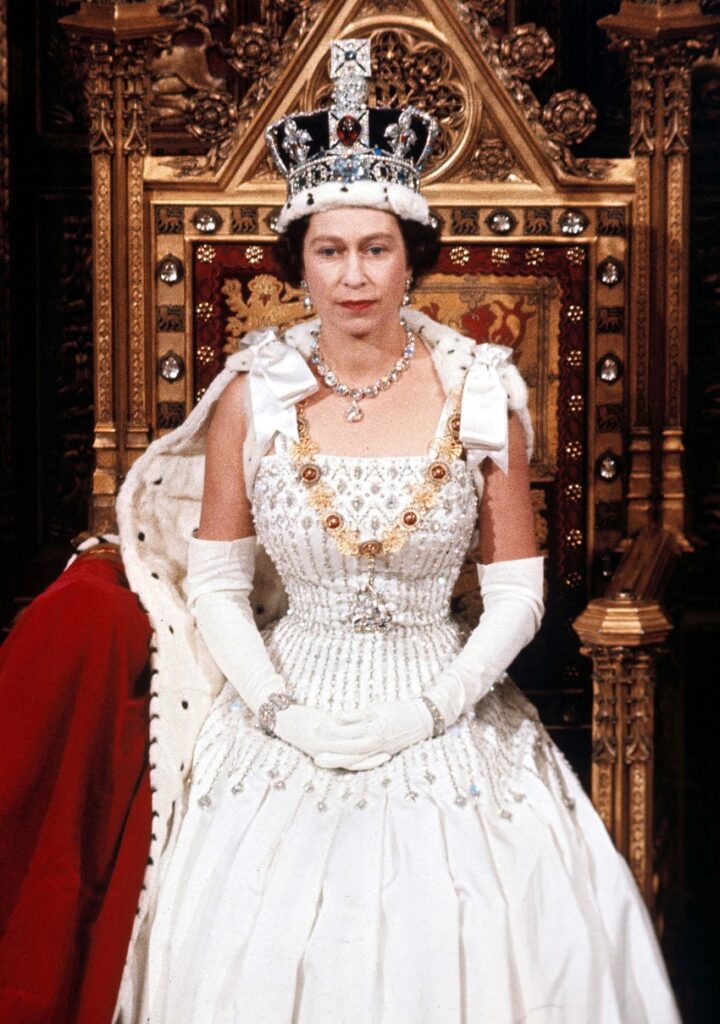
Queen Elizabeth II reigned from 1952 until her death in 2022.
She remains the longest-reigning monarch in British history and the reference point against which all successors are judged.
Her legacy is not glamour — it is consistency.
Seventy years of continuity reshaped public expectations of monarchy itself.
So What Is the Royal Family Really For?
The Royal Family does not govern.
It does something harder.
It holds the long view — absorbing change without snapping, representing the UK abroad without electoral cycles, and reminding a modern democracy that institutions can evolve without erasing their past.
In 2026, the monarchy is no longer about power.
It is about continuity — and whether a nation still believes that continuity matters.