The UK in World War One: What We Still Get Wrong in 2026
The UK’s First World War story has been flattened into mud, misery, and mass death — and that distortion still shapes how the war is taught, remembered, and argued over in 2026.
From strategic decisions to social change, Britain’s war was more complex, more contested, and more consequential than the trench-bound myth allows. To understand what the war actually did to the country, we need to dismantle the familiar version first.
But that version is incomplete — and that matters. Because the First World War didn’t just scar Britain. It quietly rebuilt it. The UK you live in today — its politics, borders, rights, and even working life — still carries decisions made between 4 August 1914 and 11 November 1918.
This is not a nostalgia piece. This is a 2026 reset: what actually happened, why Britain entered the war, and what consequences still shape the country now.
Why the UK Entered World War One (And Why It Wasn’t Inevitable)
Britain did not stumble blindly into war.
On 4 August 1914, the UK declared war on Germany after German troops invaded neutral Belgium. Britain was legally bound by the Treaty of London (1839) to defend Belgian neutrality — but legality alone didn’t pull the trigger.
The deeper fear was strategic: a German-controlled Belgium meant German warships and artillery facing the English Channel. That was an existential threat to Britain’s trade, navy, and food supply.
Britain entered the war not to save Europe, but to prevent a hostile power from dominating it.
The Role of the UK in World War One
Between 1914 and 1918, the UK transformed itself from a professional-volunteer military power into a fully mobilised war state.
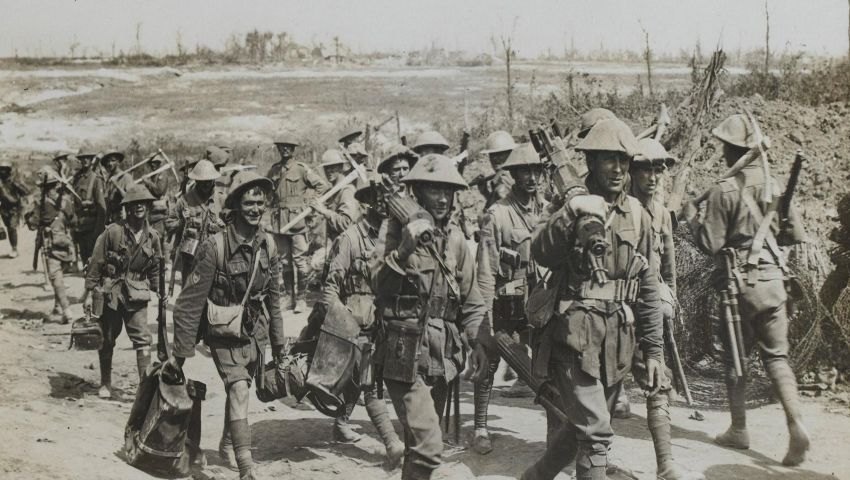
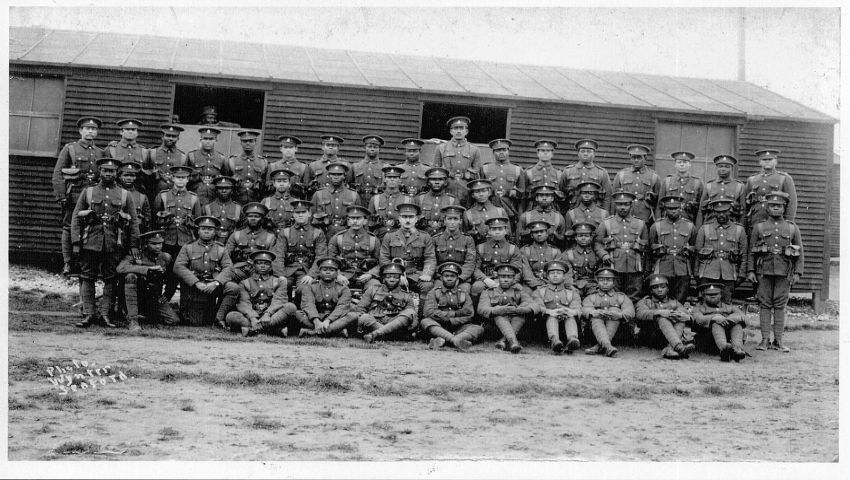
Over 8 million men served under the British flag. This included soldiers from across the Empire: India, Canada, Australia, New Zealand, the Caribbean, and Africa. Without imperial manpower, Britain could not have sustained the war.
The British Army fought on multiple fronts:
- The Western Front (France & Belgium)
- Gallipoli
- Italy (from 1917)
- Mesopotamia, Palestine, and Sinai against the Ottoman Empire
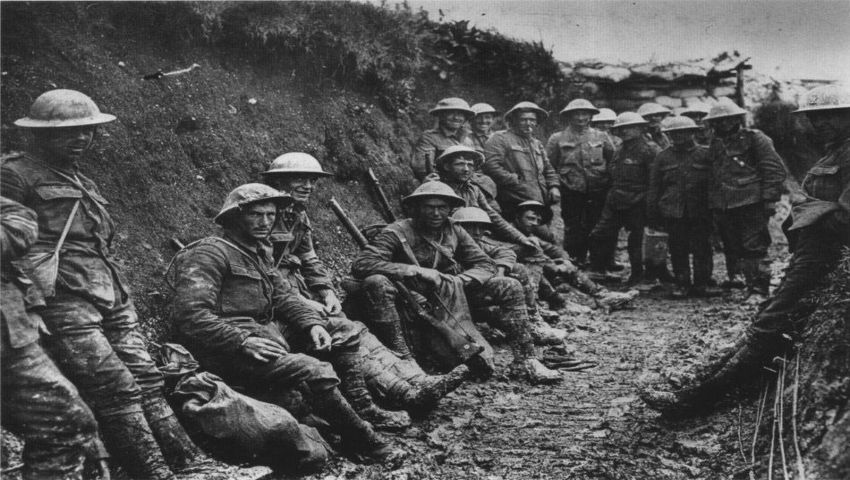
The Western Front defined the British experience — a 600km trench system stretching from the Channel to Switzerland. Stalemate, attrition, and industrial-scale killing became normal.
Strategy: Why the Royal Navy Mattered More Than the Army
Here’s the part many people miss.
The war was decided at sea long before it ended on land.
The Royal Navy enforced a blockade that strangled Germany’s access to food, fuel, and raw materials. By 1918, civilian starvation inside Germany was widespread — a direct result of British naval power.
The Battle of Jutland (31 May – 1 June 1916) remains the largest naval battle of the war. Tactically inconclusive, strategically decisive: Germany never challenged British naval dominance again.
This is why Britain survived while continental powers collapsed.
Life in Britain During the War
By 1916, Britain abandoned voluntary enlistment.
Conscription was introduced in January 1916 — the first in British history. At the same time, the government passed the Defence of the Realm Act, giving it sweeping powers over labour, press, and daily life.
Women entered factories, transport, agriculture, and administration at scale. This was not symbolic — it kept the war running.
The cost was immense. Britain suffered approximately 750,000 military deaths, with millions more wounded. Nearly every family was affected.
After the Armistice: Britain Wins, Then Pays the Price
The war ended on 11 November 1918. Peace did not follow.
Britain emerged victorious but economically exhausted. Debt skyrocketed. Taxes rose. The Empire expanded briefly — then began to fracture.
The Treaty of Versailles (1919), which Britain helped negotiate, punished Germany severely. The instability it created would fuel the rise of Nazism two decades later.

The UK Post-War: What Still Shapes Britain in 2026
World War One permanently altered Britain.
Women gained the vote in 1918. The Labour Party replaced the Liberals as a major force. Ireland moved toward partition. The RAF was created. The idea of the government protecting citizens during crisis became normal.
Even today, Remembrance Sunday, war memorials in every town, and Britain’s cautious approach to continental conflict all trace back to this war.
If you want to experience this history physically, the National Army Museum in London remains free to enter in 2026. It is open Tuesday–Sunday, 10:00–17:30, at Royal Hospital Road, Chelsea, London SW3 4HT. Entry cost: £0. Phone: 020 7730 0717. Always check the official website before visiting.
The First World War is not finished with Britain.
It’s still here — in how power is shared, how wars are remembered, and how the country understands loss.