Top 10 Organic Stores in London (2026): Where Quality Actually Pays Off
London hides its best food in plain sight—behind fogged windows, quiet queues, and labels that mean more than they say. Organic here isn’t a trend; it’s a
In 2026, London’s organic food scene has quietly split into two worlds: shops that simply sell organic labels, and stores that actively shape how food is sourced, certified, priced, and eaten in this city. If you don’t know the difference, you’re probably overspending—or missing out.
This guide isn’t a generic list. It’s a practical map of the 10 organic stores in London that still matter in 2026, what they’re best at, when to go, and how to shop them smartly.
1. Zest Organic Food (Dockhead)
Address: 33 Dockhead, London SE1 2BS
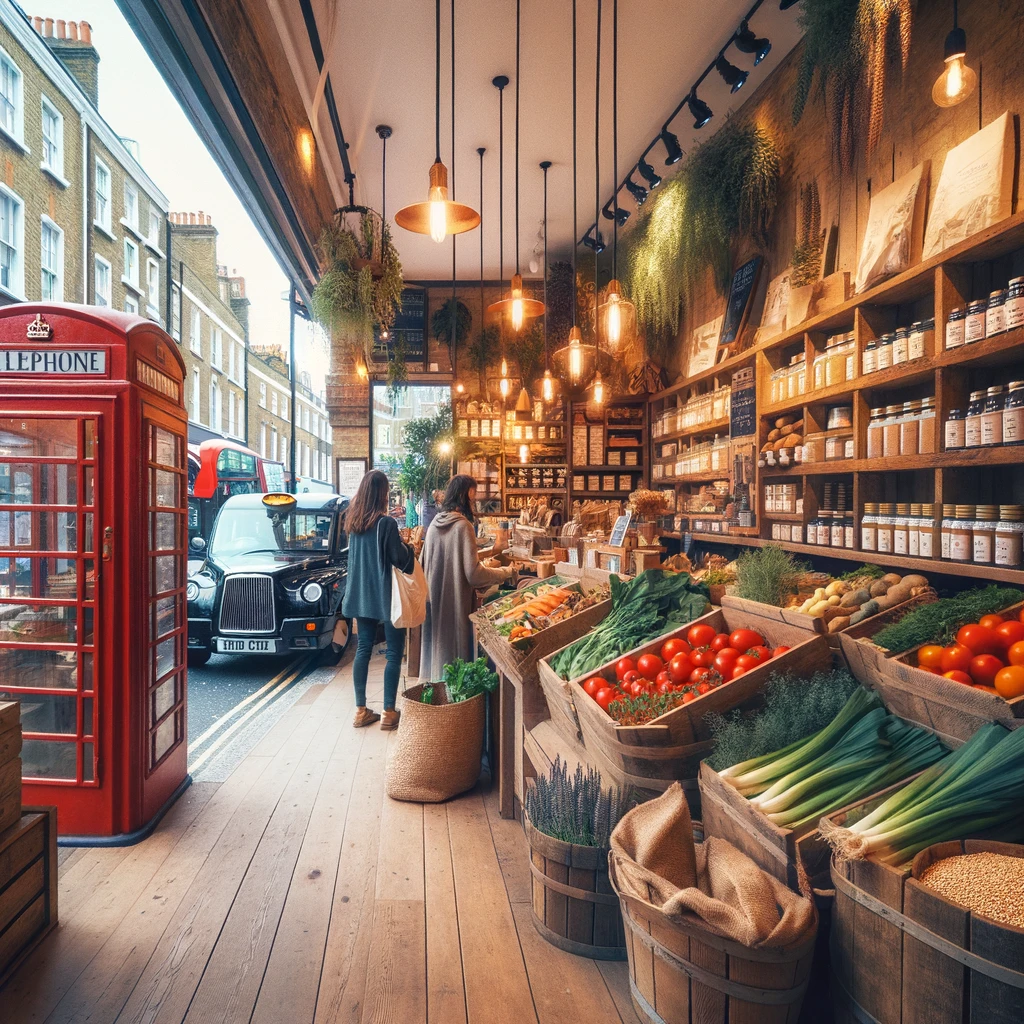
Why it matters in 2026: Independent, hyper-local, and stubbornly high-quality.
Zest hasn’t tried to scale. That’s the point. In a city where organic chains dominate, Zest focuses on seasonal produce, British suppliers, and staff who actually know what they’re selling. Expect organic fruit and veg to cost roughly £3.20–£3.80 per kg depending on season, with noticeably better freshness than big chains.
2. Earth Natural Foods (Kentish Town)
Address: 200–202 Kentish Town Rd, London NW5 2AE
Best for: Bulk buying and supplements.
This shop quietly saves regular shoppers money. Buying grains, pulses, and nuts in bulk here can undercut supermarket organic prices by 10–20%. If you cook at home often, this is one of London’s few organic stores where the maths works.
3. Planet Organic – Westbourne Grove
Address: 42 Westbourne Grove, London W2 5SH
Opening hours: Typically 8am–9pm (check planetorganic.com)
Planet Organic remains the UK’s first fully certified organic supermarket, and this flagship still sets the tone. Prices are higher—organic milk is usually around £1.90–£2.10 per litre—but the range is unmatched, especially for free-from, vegan, and functional foods.
4. Organic & Natural (Lower Clapton)
Address: 191 Lower Clapton Rd, London E5 8EG
Best for: Neighbourhood shopping without the markup.
Smaller store, smaller margins. This is where locals shop midweek. You won’t find trend-driven superfoods, but everyday organic staples are sensibly priced and reliably fresh.
5. Alara Health Store (Bloomsbury)
Address: 58–60 Marchmont St, London WC1N 1AB
Known for: Wholefoods and cereals.
Alara’s reputation is built on grains, muesli, and minimally processed foods. If you care about how breakfast is made—not just how it’s branded—this shop still earns its place in 2026.
6. Organic Village Market (East Dulwich)
Address: 18 Lordship Ln, London SE22 8HN
Vibe: Farmers’ market, every day.
This is one of the few places where organic shopping still feels human. Prices fluctuate with supply, but quality is consistently high. Ideal if you shop little and often.
7. Planet Organic – Spitalfields
Address: Exchange Building, 132 Commercial St, London E1 6NG
Best for: Lunch + shopping.
This branch benefits from heavy footfall, meaning faster stock turnover. Fresh food counters and ready meals are the real draw here, especially if you work nearby.
8. Earth Organic (Bethnal Green)
Address: 241 Bethnal Green Rd, London E2 6AB
Strength: Staff knowledge.
Earth Organic remains a go-to for people who ask questions. Supplements, dietary needs, and organic certification details are explained clearly—something many chain stores have lost.
9. Whole Foods Market – Kensington
Address: 63–97 Kensington High St, London W8 5SE
Opening hours (2026): Mon–Sat 8am–10pm, Sun 12pm–6pm
Yes, it’s expensive. Organic apples often reach £4.00 per kg. But Whole Foods excels at range, prepared foods, and consistent quality. Think of it as organic convenience at scale.
10. As Nature Intended
Multiple London locations
Best for: Everyday organic shopping.
As Nature Intended sits between independent shops and big chains. Prices are mid-range, selection is practical, and stores are designed for quick, regular visits.
What Most Shoppers Miss About Organic Food in London
Organic in the UK isn’t a marketing term. It’s legally regulated. In 2026, any store selling food as organic must be certified by an approved control body such as the Soil Association or Organic Farmers & Growers.
Here’s the part people miss: certification costs money. That cost shows up either as higher prices—or tighter sourcing and better stock rotation. The best stores manage both.
So Where Should You Actually Shop?
If you want the cheapest organic labels, supermarkets will always win.
If you want food that’s fresher, better sourced, and more transparent, these ten stores are where London still gets organic right.
The trick in 2026 isn’t choosing one organic store. It’s knowing which one to use—and when.