

University of Leicester: The Honest, Updated Student Guide for 2026
There’s a quiet mismatch hiding in plain sight at the University of Leicester. The name sounds familiar, even predictable—but the reality in 2026 doesn’t quite line up with that mental picture.
Behind the modest reputation sit research strengths, career outcomes, and cost advantages that rarely make the headlines. To understand what’s really on offer, we need to look closer.
Why the University of Leicester Is Underrated
Leicester’s biggest strength isn’t prestige. It’s leverage.
The university consistently ranks among the UK’s most socially inclusive institutions, enrolling a higher-than-average number of students from low-participation and disadvantaged backgrounds—while still competing strongly in research and graduate outcomes.
This combination—access + research power—is rare.
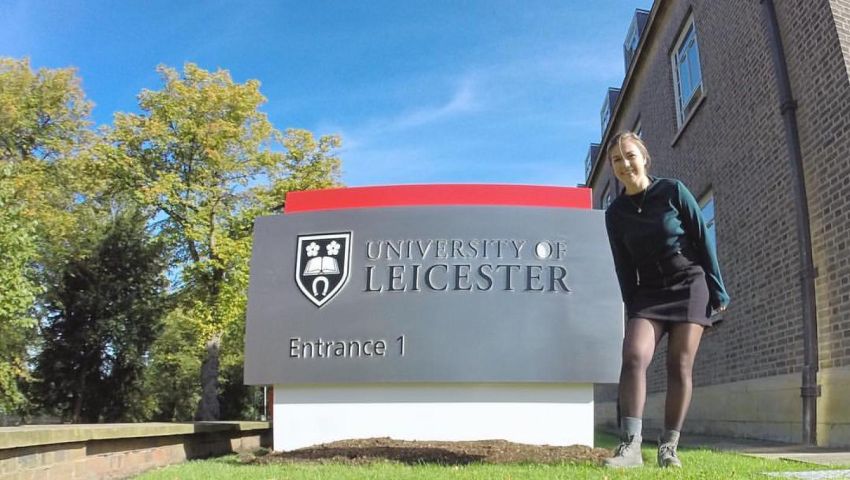
Rankings & Reputation (Verified for 2026)
Here’s where Leicester stands right now:
- Times Higher Education 2026: 25th UK, =192nd world
- QS World University Rankings 2026: 37th UK, =326th world
- Complete University Guide 2026: 33rd UK
- Reuters Most Innovative Universities (Europe): 76th
Translation: Leicester punches above its weight in research impact while staying far more affordable than many Russell Group peers.
Courses & Academic Structure
The University of Leicester offers 350+ degree programmes across three academic colleges:
- College of Life Sciences
- College of Science and Engineering
- College of Social Sciences, Arts and Humanities
It is particularly well known for Medicine, Biological Sciences, Archaeology, Law, Psychology, and Space Science.
Tuition Fees (2026 Entry – Confirmed)
Home (UK) Undergraduate Fees:
- £9,790 per year for 2026/27 entry (subject to parliamentary approval)
International Undergraduate Fees:
- £22,200 – £26,550 per year (course dependent)
Postgraduate Taught (International):
- Typically £17,250 – £23,900 per year
Fees are locked for the duration of your course unless you change programmes.
Scholarships That Actually Matter
In 2026, Leicester offers one of the UK’s most generous international schemes:
- International Undergraduate Tuition Fee Waiver: Up to 100% fee coverage for selected students starting September 2026
- Citizens of Change Scholarships
- Subject-specific and alumni-linked awards
This is where Leicester quietly outcompetes bigger-name universities.
Student Life & Living in Leicester
Leicester is one of the UK’s most affordable student cities.
- Average student living costs: ~£10,500 per year
- Train to London St Pancras: ~70 minutes
- Bus fare: £2 single (UK-wide cap until at least Dec 2026)
The campus sits next to Victoria Park, giving it space that many city universities simply don’t have.

International Students: What Changes Everything
28% of Leicester’s students are international, creating one of the UK’s most genuinely global campuses.
Support includes visa guidance, dedicated arrival services, and the Leicester Global Study Centre. Airports such as Birmingham and East Midlands are easily accessible.
Famous Alumni You’ll Recognise
Leicester alumni include:
- Bob Mortimer – comedian and actor
- Philip Larkin – poet and novelist
- Sir Alec Jeffreys – inventor of genetic fingerprinting

Graduate Outcomes & Career Impact
Over 94% of Leicester graduates are in work or further study within six months. The Careers Service is award-winning and tightly connected to employers across the Midlands and London.
This is where Leicester quietly delivers on its promise.
How to Contact the University of Leicester
Address: University Road, Leicester LE1 7RH, United Kingdom
Phone: +44 (0)116 252 2522
Official website: www.le.ac.uk
Conclusion: The Real Question
The real question isn’t whether the University of Leicester is “good enough”.
It’s whether you want a university where access, research power, affordability, and outcomes intersect—rather than paying extra for a name.
That’s the part most people miss.