University of Manchester in 2026: Fees, Rankings, Reality & What No One Tells You
What does the University of Manchester really look like in 2026—b
That picture isn’t wrong. It’s just incomplete.
In 2026, the University of Manchester is no longer just a place to earn a degree. It has quietly become one of the UK’s most strategic universities — academically, financially, and professionally — and most applicants don’t realise what that actually means until it’s too late.
This guide closes that gap. Not with slogans, but with numbers, dates, fees, rankings, and real decisions you’ll need to make.
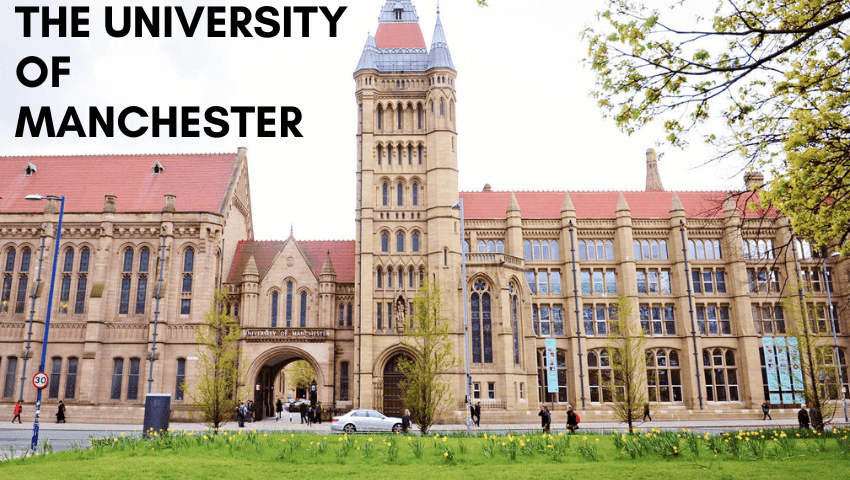
Introduction to the University of Manchester (2026 Reality Check)
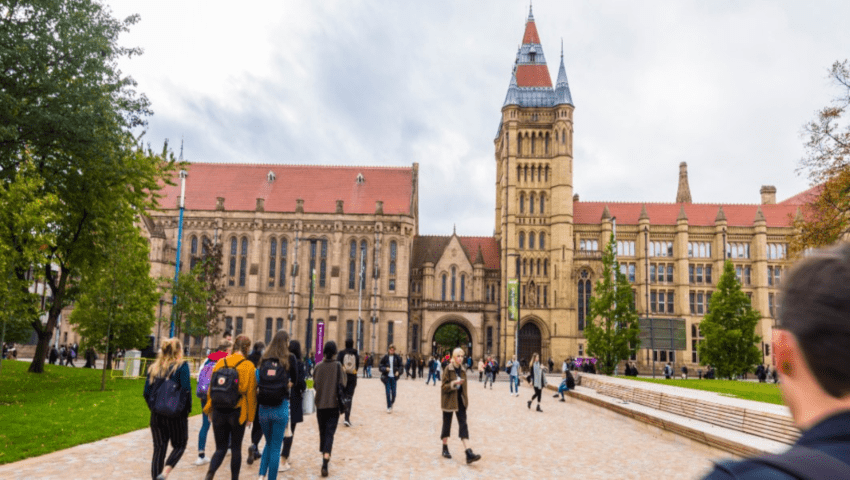
The University of Manchester is a Russell Group institution located on Oxford Road, just south of Manchester city centre. It is the largest single-site university in the UK, with more than 44,000 students and a global alumni network of over 550,000 graduates across 190 countries.
But size isn’t the advantage. Strategy is.
Manchester was the first UK university to make social responsibility a core mission. In 2026, that choice shapes everything — from research funding to employer partnerships and international scholarships.
A Short History That Explains Everything
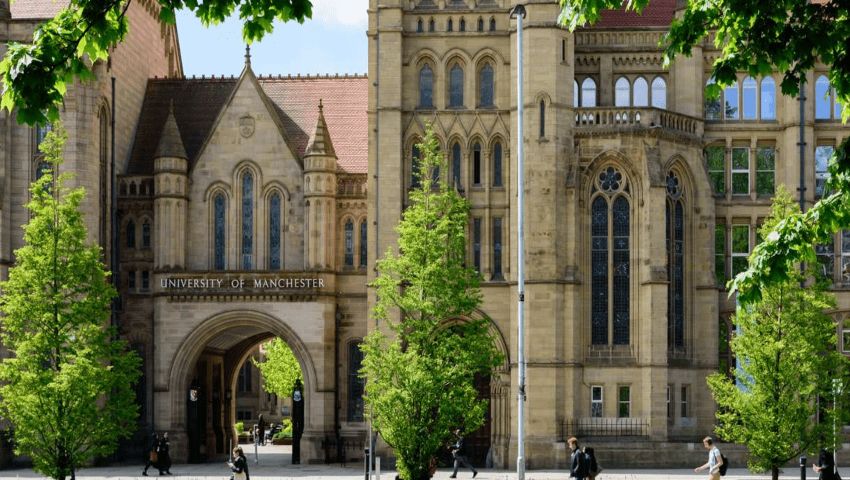
Founded in 1824, the University of Manchester grew out of the Industrial Revolution. That matters.
Unlike ancient universities built for elites, Manchester was built for impact — engineering, medicine, economics, computing. The world’s first stored-program computer ran here. Graphene was isolated here. Modern economics took shape here.
In 2024, the university marked its 200th anniversary. In 2026, it’s operating under its new long-term strategy: Manchester 2035 — focused on employability, sustainability, and global relevance.
Why Students Choose Manchester (The Real Reason)
Most universities sell prestige.
Manchester sells outcomes.
According to High Fliers Research (2025), the University of Manchester is the second most targeted university by the UK’s top 100 graduate employers. Employers don’t just recruit here — they design programmes with Manchester.
University of Manchester Rankings & Reputation (2026)
Rankings fluctuate. Patterns don’t.
In 2026, the University of Manchester is ranked:
- #35 globally – QS World University Rankings 2026
- #56 globally – Times Higher Education World University Rankings 2026
- #7 in the UK – QS World Rankings
- #2 worldwide – Times Higher Education Impact Rankings (social & environmental impact)
Manchester is also the only university in the world to rank in the global top ten of the Impact Rankings every single year.
Academic Programmes: What You’re Actually Paying For
Manchester offers over 400 undergraduate and postgraduate programmes across engineering, medicine, business, humanities, social sciences, and computer science.
The difference isn’t breadth. It’s integration.
Courses are designed alongside industry partners, with placement years, paid internships, and research-led teaching baked into the curriculum.
Tuition Fees at the University of Manchester (2026)
This is where assumptions break.
Undergraduate Tuition Fees (2026 Entry)
UK (Home) students: £9,790 per year (subject to parliamentary approval).
International students: £33,100 per year on average. Some specialist programmes (e.g. Business & IT) reach £35,200.
These international fees are fixed for the duration of the course, which matters in an inflationary economy.
Postgraduate Tuition Fees
Taught master’s programmes typically range from £16,500 to £30,000 depending on discipline and residency.
PhD and research degrees vary by faculty and funding structure. Always confirm using the university’s official tuition fee search tool.
Scholarships & Funding (What Most Applicants Miss)
Manchester distributes over £6 million in scholarships annually.
Key 2026 opportunities include:
- Global Futures Scholarships: £10,000–£30,000 (UG & PG)
- Equity & Merit Scholarships: Full tuition + living costs (selected countries)
- Humanitarian Scholarships: Full funding for displaced students
- Social Responsibility Scholarships: For impact-driven applicants
Deadlines typically fall between February and April 2026. Late applications almost always miss funding.
The Student Experience (City + Campus)
Manchester is not a campus bubble.
It’s a working city with rent, music, part-time jobs, football, food, and fast transport. Buses along Oxford Road run every 6–10 minutes from 6am to 11:30pm, with single fares capped at £2 nationwide until at least December 2026.
Famous Alumni (And Why It Matters)
Manchester alumni include 26 Nobel Prize winners, broadcaster Brian Cox, architect Norman Foster, comedian Steve Coogan, and many more.
The value isn’t celebrity. It’s signalling. Employers know what a Manchester degree represents.

Contact Details & Location
Address: Oxford Road, Manchester M13 9PL, United Kingdom
Main phone: +44 (0)161 306 6000
Official website: https://www.manchester.ac.uk
Conclusion: What This Really Is
This was never just a guide to the University of Manchester.
It’s a warning — and an invitation.
If you treat Manchester like just another prestigious university, you’ll get a good degree.
If you understand how it actually works — funding, employers, impact, timing — you’ll get something far more valuable.