
Wildflower Seeds in the UK (2026): How to Create a Thriving Meadow That Actually Lasts
Planting a wildflower meadow is less like painting a wall and more like tuning an orchestra: soil, seed, and season each have their part, and harmony takes time.
In the UK’s changing climate, lasting colour comes from preparation, restraint, and choosing performers that belong. Get those right, and the meadow plays on—starting with the basics below.
In the UK in 2026, planting wildflowers is a quiet act of restoration. A response to the fact that we’ve lost around 97% of our wildflower meadows since the 1930s. A way to turn even a small patch of soil into functioning habitat — not just something that looks good for Instagram.
If you’ve ever scattered a cheap seed mix, waited months, and ended up with patchy grass and disappointment, this guide is for you. Because the uncomfortable truth is this:
Most wildflower failures in the UK aren’t about effort. They’re about choosing the wrong seeds, for the wrong soil, at the wrong time.
Let’s fix that — properly, with 2026‑accurate advice.
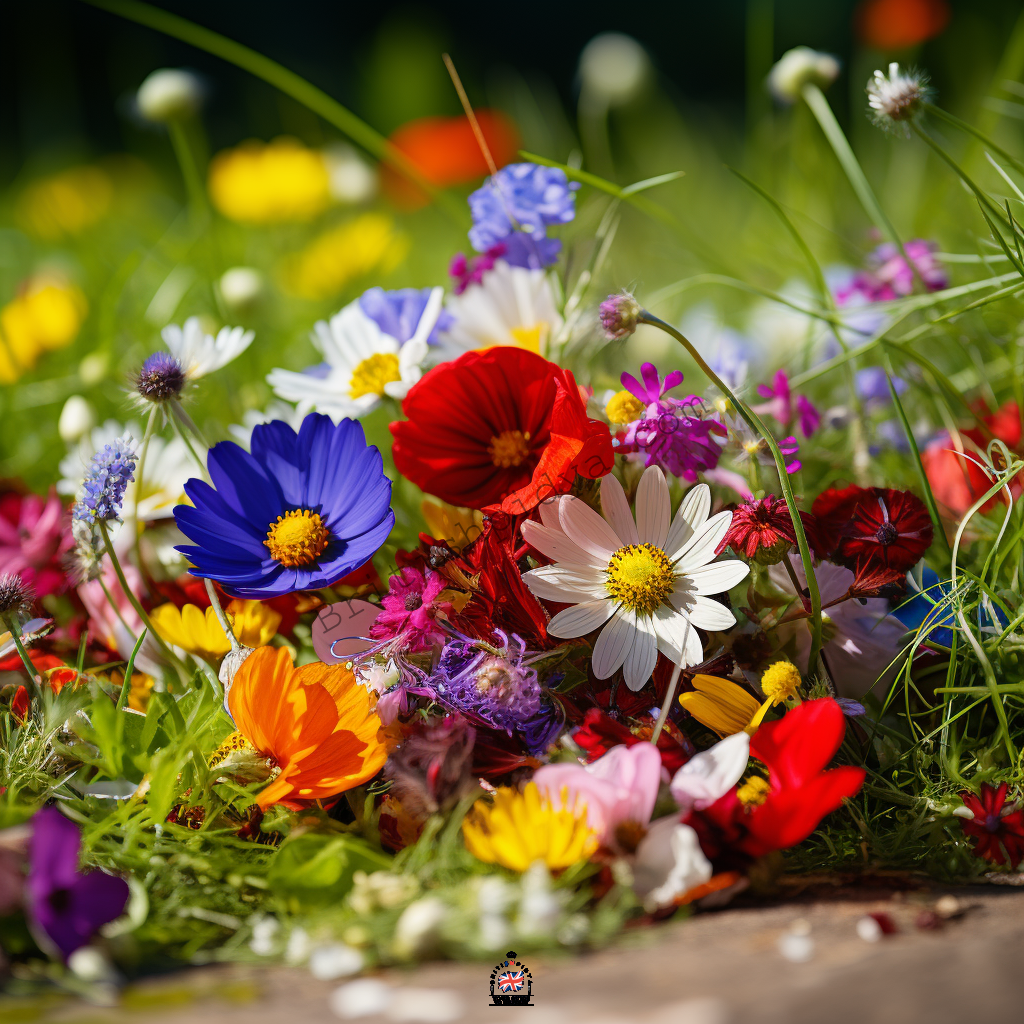
Overview: Why Wildflower Seeds Matter More Than Ever in 2026
According to UK biodiversity indicators updated in December 2025, pollinating insects have declined by roughly 23% compared to 1980 levels. Habitat loss — not disease — is the main driver.
This is where gardens matter.
A single square metre of correctly planted native wildflowers can support dozens of species of bees, hoverflies, butterflies and beetles over a season. Multiply that by millions of gardens, verges and balconies — and suddenly your “little patch” isn’t little at all.
Wildflower seeds in the UK are not ornamental extras. They are infrastructure.
Native vs Non‑Native Wildflower Seeds: The Decision That Changes Everything
Here’s the assumption most people make:
“A wildflower is a wildflower. Bees don’t care where it’s from.”
In reality, many UK pollinators are specialists. They evolved alongside specific plants, flowering at specific times, with specific pollen chemistry.
Native wildflower seeds (with UK provenance) tend to:
- Establish more reliably in British soils and weather
- Flower in sync with native insects’ life cycles
- Require less watering and intervention once established
Non‑native “pictorial meadow” mixes can look spectacular — but they usually:
- Offer lower long‑term wildlife value
- Require reseeding every year
- Risk spreading into surrounding countryside
If you live in a rural or semi‑rural area, conservation bodies strongly advise sticking to native mixes only.
Choosing the Best Wildflower Seeds in the UK (Not the Prettiest Packet)
The biggest mistake beginners make is buying based on photos.
Wildflowers don’t care how nice the packet looks. They care about soil fertility, drainage, and competition.
Step 1: Identify your soil
Clay, chalk, sand, loam, acidic, neutral — this matters more than sun exposure. If grass grows thick and fast, your soil is probably too fertile for most wildflowers without preparation.
Step 2: Match the mix to the site
Reputable UK suppliers now offer mixes for:
- Clay soils
- Chalk and limestone
- Acidic or sandy ground
- Partial shade or woodland edges
- Urban lawns and green roofs
Step 3: Understand what you’re buying
In 2026, typical UK prices are:
- Small garden seed packets: £6–£15
- 100% wildflower meadow mixes: £80–£230 per kg (low sowing rate)
- Wildflower + grass mixes: £40–£150 per kg
Higher price often means higher wildflower diversity — not profiteering.

When to Plant Wildflower Seeds in the UK (Exact Windows)
Ignore vague advice like “spring is fine”. Timing is precise.
Spring sowing: March–April 2026
- Best for heavier soils and colder regions
- Faster visual results with annuals
Autumn sowing: Late August–October 2026
- Ideal for native perennials
- Allows natural cold stratification
- Earlier flowering the following year
Some species (like Yellow Rattle) must be autumn‑sown and exposed to winter cold below 5°C to germinate properly.
Planting Wildflower Seeds: The Step Everyone Rushes (and Regrets)
Wildflowers hate competition.
If you sow into existing grass without preparation, grass will win. Every time.
Correct method (UK best practice):
- Remove existing turf and weeds completely
- Rake to a fine, firm seedbed
- Do NOT add compost or fertiliser
- Mix seeds with dry sand for even spread
- Broadcast lightly — less is more
- Firm seeds into soil (don’t bury deeply)
Maintenance: Doing Less, at the Right Time
The paradox of wildflowers is that success comes from restraint.
Year one: Water during prolonged dry spells. Remove obvious weeds by hand.
Established meadow: Cut once, late summer (August–September). Leave cuttings for 2–3 days so seeds drop, then remove.
Never: Feed, over‑water, or mow frequently.

Where to Buy Wildflower Seeds in the UK (Trusted 2026 Options)
Online specialists (UK‑grown seed):
- Wildflower Shop
- Meadowmania
- Emorsgate Seeds
Expect delivery in 1–3 working days within the UK.
In‑store advice:
- RHS Garden Centres
- Dobbies (nationwide)
Always check that seed is UK provenance and suited to your soil type.
Conclusion: What a Patch of Wildflowers Really Does
At the start, we said this wasn’t about colour.
Now you know why.
Every properly planted patch of wildflowers in the UK is a reconnection — between soil and insect, season and seed, human choice and ecological consequence.
You don’t need acres. You don’t need perfection.
You just need to plant with intention — and let nature do the rest.