PayPal UK in 2026: Fees, Debit Card, Crypto & Smarter Alternatives
PayPal still looks familiar in the UK—blue logo, one‑click pay, quiet confidence. But in 2026, the real story sits beneath the surface: new fees, new cards, and subtle rule changes hiding in statements and settings.
Crypto tools, a PayPal debit card, and sharper rivals now circle the same spend. The question isn’t what
PayPal UK is no longer just a way to pay on eBay. It’s a wallet, a debit card, a loyalty scheme, a crypto gateway, a business tool—and, in some cases, an expensive habit if you don’t know how the fees really work.
This guide isn’t here to sell PayPal to you. It’s here to show you how PayPal actually works in the UK in 2026, where it shines, where it quietly costs you money, and when you should seriously consider an alternative.
What PayPal UK Actually Is in 2026
PayPal UK Ltd is authorised and regulated by the Financial Conduct Authority (FCA) as an electronic money institution. That matters, because your PayPal balance isn’t a bank deposit—and it isn’t protected by the FSCS.
But it does give you something banks still struggle with: frictionless payments. You can pay online without exposing card details, send money instantly, and receive funds without sharing bank information.
As of January 2026, PayPal serves roughly 30 million users in the UK, making it one of the most widely adopted digital wallets in the country.
The Fees Nobody Explains Clearly
This is where expectations and reality collide.
Sending money to friends and family in the UK using a bank account or PayPal balance is usually free. The moment a card is involved, fees appear.
Receiving money for goods and services in the UK (2026 rates):
- Domestic commercial payments: 2.9% + £0.30
- International payments (EEA): +1.29%
- International payments (rest of world): +1.99%
Currency conversion is where PayPal quietly makes most of its money. Expect a margin of around 3–4% above the mid-market exchange rate.
If you’re regularly paid in euros or dollars, this is the single biggest reason PayPal becomes expensive.
PayPal Business Accounts: Powerful, But Pricey
A PayPal Business account lets you:
- Accept card payments without a merchant account
- Invoice customers
- Integrate PayPal checkout on websites
- Access Working Capital loans
For small UK businesses and freelancers, PayPal is often the fastest way to start taking payments. It is rarely the cheapest.
If you process £2,000 per month, fees can easily exceed £60–£80. Scale that up, and the numbers matter.
PayPal vs Wise: The Transfer Reality
This is the comparison most people wish they’d seen earlier.
Wise uses the real mid-market exchange rate and charges a transparent fee starting from 0.33%.
Example (January 2026):
- Sending £1,000 to EUR with PayPal: ~£35–£40 in hidden FX costs
- Sending £1,000 to EUR with Wise: ~£3–£6 total
PayPal is convenience. Wise is efficiency. Knowing when to use each is where the savings live.
The PayPal Debit Card (UK)
Launched nationally in late 2025, the PayPal Debit Mastercard changes how people use their PayPal balance.
- Issued by Mastercard
- No foreign transaction fees
- Free ATM withdrawals (ATM operator fees may apply)
- Works with Apple Pay and Google Pay
- Earns PayPal+ loyalty points

This card quietly turns PayPal into a day-to-day spending account—without becoming a bank.
How to Use PayPal in the UK (Step-by-Step)
- Sign up at paypal.com/gb
- Verify your email and phone number
- Link a UK bank account or debit card
- Enable two-factor authentication
- Order the PayPal Debit Card (optional)
- Review currency and fee settings before sending money
Crypto on PayPal UK: What’s Actually Allowed
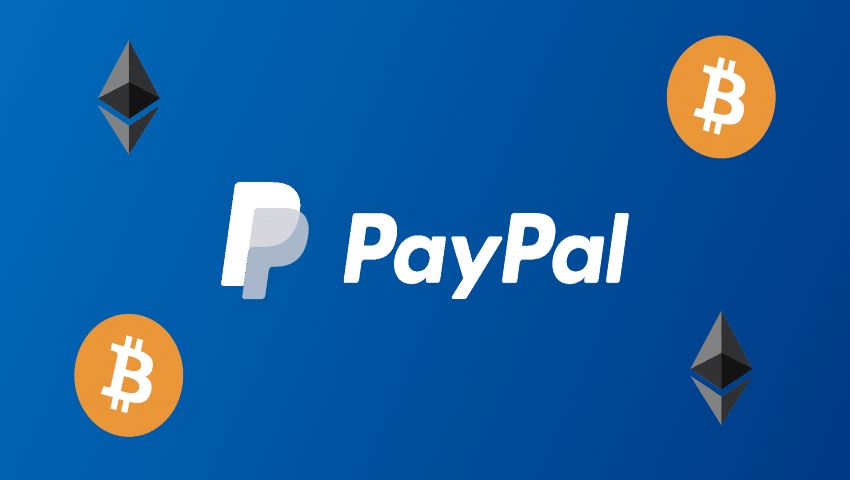
PayPal reintroduced cryptocurrency services in the UK in November 2025.
As of 2026, UK users can buy, sell and hold:
- Bitcoin (BTC)
- Ethereum (ETH)
- Litecoin (LTC)
- Bitcoin Cash (BCH)
- Solana (SOL)
- Chainlink (LINK)
- PayPal USD (PYUSD)
You cannot transfer crypto out to external wallets. This is exposure, not ownership.
Security, Protection & Disputes
PayPal’s biggest advantage remains buyer protection.
If an item doesn’t arrive or isn’t as described, PayPal’s Resolution Centre can reverse payments—something bank transfers cannot do.
How to Contact PayPal UK
Support is primarily digital in 2026:
- Help Centre: paypal.com/uk/help
- In-app messaging (24/7)
- Automated phone support: 0800 358 7911
So… Should You Still Use PayPal in 2026?
Yes—but deliberately.
Use PayPal for protection, speed, and convenience. Use Wise for large or international transfers. Use both with intent.
The mistake isn’t using PayPal. The mistake is assuming it’s still just a button.