Wholesale Markets in the UK: What’s Really Wholesale in 2026
From fashion stalls to food halls, “wholesale” has become a catch‑all label across the UK. But in 2026, rising rents, tighter margins, and digital buying have redrawn the map—leaving many famous markets closer to retail theatre than true trade.
So what actually counts as wholesale now, who can buy there, and where the real deals still happen? Here’s how the UK’s wholesale landscape really works today.
They haven’t.
Here’s the uncomfortable truth most guides won’t tell you: many of the places commonly described as “wholesale markets” in Britain aren’t wholesale at all. They’re retail markets, visitor attractions, or shopping centres with clever pricing psychology.
Real wholesale markets in the UK operate on a different clock, serve a different customer, and play a far more important role in Britain’s economy than most shoppers ever see.
What “Wholesale Market” Actually Means in the UK (2026)
In Britain, a true wholesale market is not defined by low prices or big crowds.
It’s defined by who buys, how goods are sold, and when trading happens.
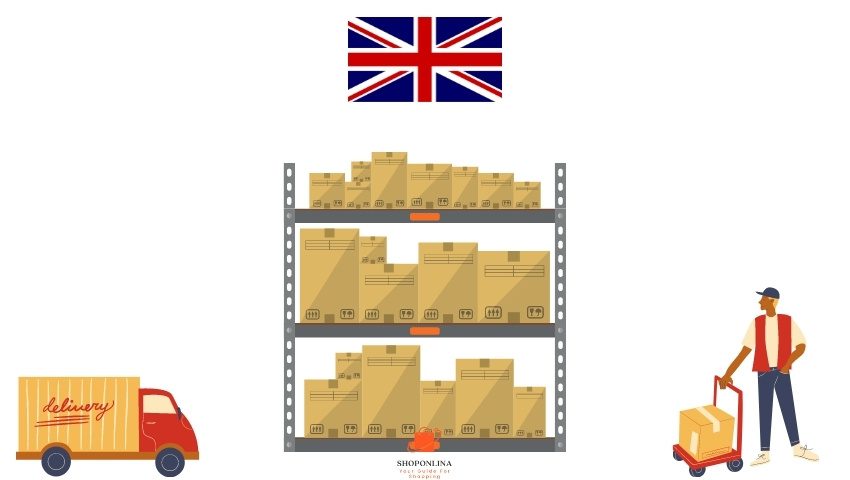
Wholesale markets primarily exist to supply:
- Restaurants and cafés
- Butchers, fishmongers, and greengrocers
- Florists
- Caterers and foodservice businesses
- Street traders and market sellers
They operate early — often from 2am to 8am — and many traders expect buyers to know grades, seasons, and pricing without explanation.
This is the supply chain beneath the supermarkets.
The Big Gap: Tourist Markets vs Real Wholesale Markets
Here’s the gap most readers don’t realise exists.
You believe: Markets like Camden, Brick Lane, Portobello Road, and Westfield offer wholesale-style buying.
Actually true: These are retail markets and shopping destinations. Prices may feel cheap, but they’re designed for end consumers — not trade buyers.
That doesn’t make them bad. It just makes them something else entirely.
The Real Wholesale Markets That Power the UK
If you want to understand wholesale in Britain in 2026, you need to look at the markets run or regulated by the City of London and other authorities.
Smithfield Market (Meat & Poultry)
Smithfield is one of Europe’s most historically significant wholesale meat markets. Despite long-term plans to relocate operations, it remains a central hub for butchers, restaurants, and caterers.
Over 100,000 tonnes of meat pass through Smithfield each year, with trading taking place in the early hours of the morning. Retail visitors are allowed, but the market is built for professionals who know exactly what they’re buying.
Official oversight: City of London Corporation.
Billingsgate Market (Fish & Seafood)
Billingsgate is the UK’s largest inland fish market and one of the most intense trading environments you’ll ever experience.
Trading starts around 4am. Buyers move fast. Prices change by the hour. Fresh fish arrives daily from the British coast and international suppliers.
It’s loud, cold, and efficient — exactly what wholesale is meant to be.
New Spitalfields Market (Fruit, Vegetables & Flowers)
Located in Leyton, New Spitalfields is Britain’s premier wholesale produce market.
It supplies independent retailers, florists, and food businesses across London and the South East. Seasonal pricing, bulk negotiation, and quality grading are part of everyday trade.
This is where the idea of “cheap food” meets the reality of logistics, labour, and global supply chains.
New Covent Garden Market
New Covent Garden Market is the largest fruit, vegetable, and flower wholesale market in the UK.
It operates almost like a small city at night — with thousands of workers, buyers, and delivery vehicles moving before most Londoners wake up.
Many members of the public are surprised to learn they’re allowed in — provided they respect that this is a working market, not a tourist attraction.
So What About Camden, Brick Lane, Portobello & Westfield?
Let’s be precise.
Camden Market, Brick Lane Market, and Portobello Road Market are retail markets. They specialise in fashion, street food, antiques, gifts, and culture.
Westfield is a shopping centre — one of the largest in Europe — with global brands and standard retail pricing.
They are brilliant places to visit. They are just not wholesale markets in the economic sense.
Why This Distinction Matters in 2026
In 2026, the UK wholesale sector sits at the centre of three pressures:
- Rising energy and transport costs
- Post-Brexit import complexity
- Sustainability and food security concerns
Wholesale markets are where these pressures collide — and where solutions are quietly tested long before supermarkets respond.
Understanding the difference between a retail market and a wholesale one isn’t semantics. It’s understanding how Britain actually feeds itself.
The Quiet Truth Behind UK Wholesale Markets
Most people will never see a real wholesale market at full speed.
They’ll arrive at Camden at noon. Or stroll Portobello on a Saturday afternoon.
But while they’re asleep, Britain’s real markets have already done their work — setting prices, moving tonnes of food, and deciding what ends up on plates later that day.
Once you see that, you never look at a “cheap market stall” the same way again.