

The UK Oil Industry in 2026: Decline, Power and the Decisions That Still Matter
I’ve told myself the UK oil industry was already finished, a relic sliding quietly into history. It felt neat, comforting, and wrong.
How the UK oil industry actually works
If you strip away the politics, the oil industry is a logistics and engineering system of brutal efficiency.
Exploration and production
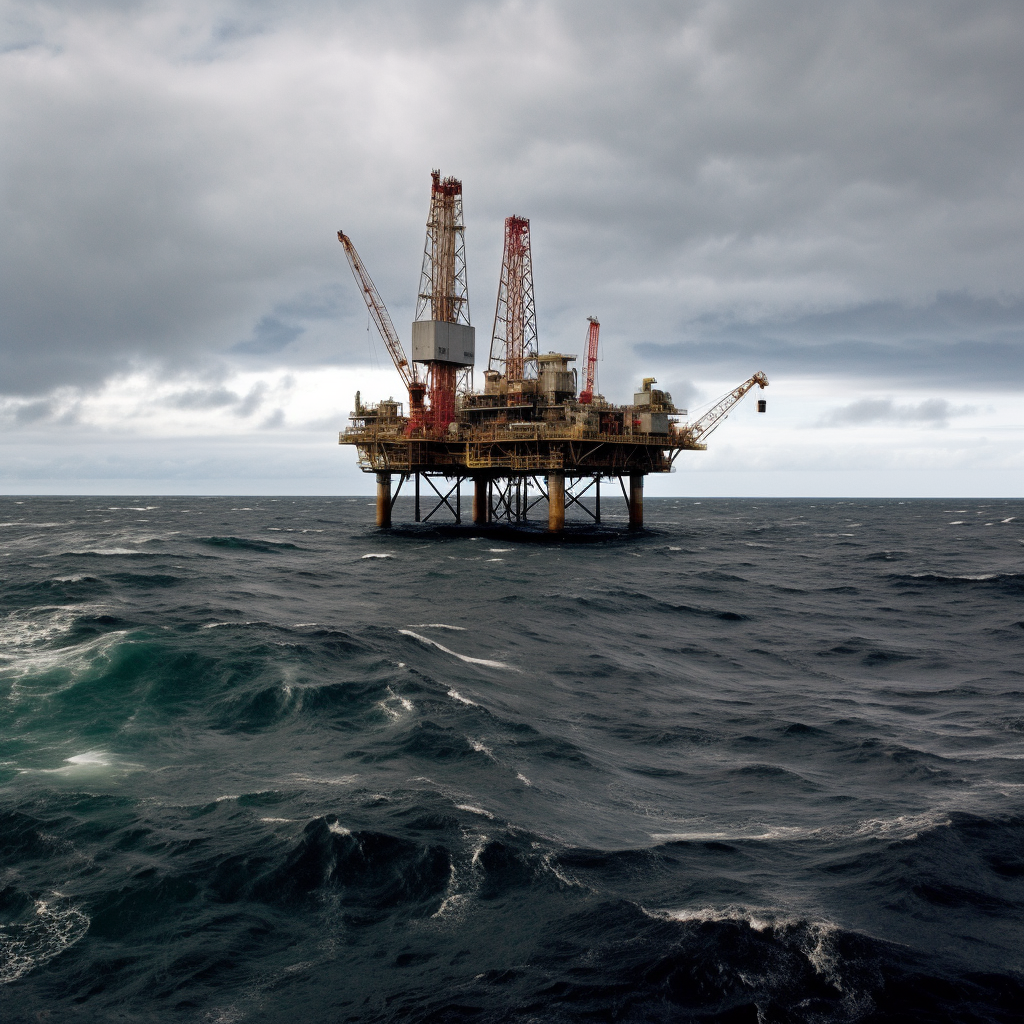
Modern UK oil production relies on advanced technologies to squeeze value from mature fields:
- 3D and 4D seismic imaging to map remaining reserves
- Extended‑reach drilling from existing platforms
- Enhanced oil recovery using gas or water injection
The biggest producing fields—Forties, Buzzard, Clair and Brent—are decades old. What keeps them alive is constant reinvestment.
Production in real numbers (2026)
As of the latest official data (published January 2026), the UK produces roughly 1.0–1.1 million barrels of oil equivalent per day. That includes both oil and gas.
Production is forecast to continue falling through the late 2020s—even with new licences—because decline from old fields outpaces new developments.
Why oil still matters to the UK economy
Here’s another uncomfortable truth: the oil industry is smaller, but it’s still economically dense.
- Jobs: ~150,000–200,000 roles supported across the supply chain
- Economic value: ~£25 billion annual gross value added
- Regions: Aberdeen, Shetland, Teesside, Humberside
These aren’t abstract numbers. They translate into mortgages, apprenticeships and local tax bases—especially in Scotland’s north‑east.

Environmental cost: reduced, not removed
UK offshore emissions have fallen by around 19% since 2014, driven by efficiency upgrades and electrification of platforms.
But oil extraction still carries unavoidable risks:
- Disruption to marine ecosystems
- Operational emissions from platforms
- Long‑term decommissioning liabilities
By the mid‑2020s, decommissioning has become a major industry in its own right, with costs running into tens of billions of pounds over coming decades.
The energy transition isn’t replacing oil—yet
The UK is legally committed to net‑zero emissions by 2050. In 2024, renewables generated more than 50% of UK electricity for the first time.
But electricity is only part of the picture.
Oil still dominates transport and industry. Even the most ambitious government scenarios assume continued oil and gas use well into the 2030s and 2040s.
This is why policy has shifted from “stop everything” to manage the decline:
- Annual licensing rounds with climate compatibility tests
- Carbon Capture, Usage and Storage (CCUS) clusters
- Hydrogen production using existing oil & gas skills

How the UK compares globally
The UK now ranks outside the global top 15 oil producers. Its remaining reserves—around 2.9 billion barrels of oil equivalent—are tiny compared to the US, Saudi Arabia or Russia.
What sets Britain apart isn’t volume. It’s regulation.
The UK has some of the world’s strictest environmental standards, transparent taxation, and legally binding climate targets. That makes production cleaner—but also costlier.
What this really means for 2026 and beyond
Here’s the gap most people miss:
The question isn’t whether the UK oil industry is ending.
It’s how expensive, carbon‑intensive and chaotic we allow that ending to be.
A faster decline without alternatives increases imports. A slower decline without decarbonisation breaks climate targets. Every choice carries trade‑offs.
The bottom line
The UK oil industry in 2026 is no longer about growth.
It’s about responsibility—towards workers, consumers, and the climate.
North Sea oil once powered Britain’s rise. Now, how we handle its decline will shape what comes next. The rigs are quieter. The stakes are higher. And the decisions made this decade will echo long after the last barrel is pumped.