Science and Industry Museum Manchester: The Complete 2026 Visitor Guide
Five historic buildings. Over 250 years of innovation. And one of the UK’s most visited free museums. Manchester’s Science and Industry Museum compresses the city’s industrial DNA into a single site—where steam power, computing, textiles, and space science intersect.
This 2026 guide breaks down what to see, when to go, and how to make the most of your visit—starting with what the museum actually offers today.
That belief is understandable. And completely wrong.
The Science and Industry Museum in Manchester isn’t a monument to what Britain was. It’s a working explanation of why modern life looks the way it does – from your smartphone to global transport, from computing to climate science.
And in 2026, with major restorations underway and galleries evolving, visiting the museum feels less like walking through history… and more like stepping inside the operating system of the modern world.
Why This Museum Matters More Than You Think
Manchester didn’t just participate in the Industrial Revolution.
It defined it.
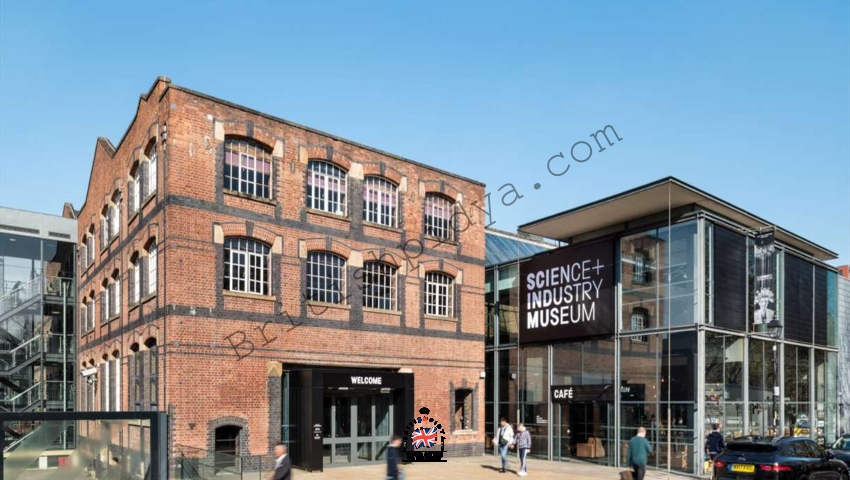
The Science and Industry Museum sits on Liverpool Road, the site of the world’s oldest surviving passenger railway station. When the Liverpool & Manchester Railway opened in 1830, it permanently changed how people, goods, and ideas moved.
That single shift triggered global trade, urbanisation, mass production, and eventually… the digital world you live in today. The museum exists to make that chain reaction visible.
A Living Site, Not a Static Museum
This isn’t a purpose-built gallery on the edge of town. The museum is spread across five historic industrial buildings, many of which were part of Manchester’s original railway and warehouse infrastructure.
In 2026, a multi‑million‑pound restoration programme is still underway. Some beloved areas, including the historic 1830 Station and parts of Power Hall, remain closed while conservation work continues. That can feel frustrating.
But there’s a trade‑off.
You’re visiting a site that’s being actively preserved for the next century – not frozen for the last one.
What You Can See in 2026 (And What’s Changed)
Despite ongoing works, there is still plenty to explore – and several galleries have been re‑framed to focus on ideas, not just objects.
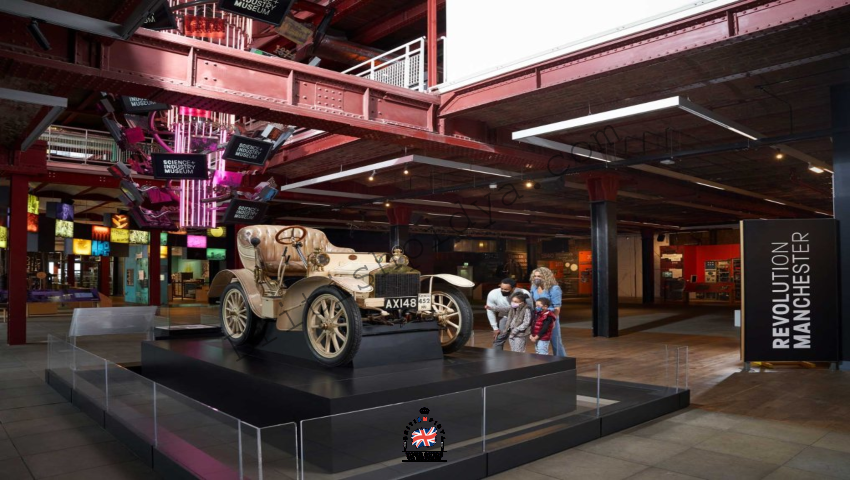
Revolution Manchester Gallery
This gallery answers a bold question: What happens when one city keeps changing the world?
You’ll move from early computing breakthroughs to nuclear science, medical innovation, and communications technology – all connected back to Manchester. It’s less about nostalgia, more about consequences.
Textiles Gallery: Cottonopolis Re‑Examined
Manchester’s cotton industry created wealth, global trade, and modern fashion.
It also created exploitation, environmental damage, and inequality.
The Textiles Gallery doesn’t dodge that tension. Instead, it traces the full story – from spinning machines to today’s push for sustainable materials.
Experiment Gallery: Science You Can Touch
This is where families linger.
Hands‑on exhibits, live demonstrations, and interactive challenges turn abstract science into physical experience. It’s noisy, energetic, and deliberately imperfect – because real science is too.
Power Up: Gaming Culture (Weekends & Holidays)
Not all revolutions come with steam.
Power Up lets you play over 100 video games, from Pong to Minecraft, tracing how gaming became a serious cultural and technological force. This is one of the few paid experiences in the museum – prices vary, so check the official site before visiting.

Education Isn’t a Side Project Here
The museum isn’t designed just to be visited. It’s designed to be used.
Schools & Workshops
School programmes link directly to the UK curriculum, covering STEM subjects through real objects and experiments. Sessions are structured, practical, and led by specialist educators.
Adult Learning & Public Events
Lectures, late‑opening events, and themed talks turn the museum into a civic classroom. Learning here isn’t remedial – it’s lifelong.

Visiting in 2026: Practical Details That Matter
Address: Science and Industry Museum, Liverpool Road, Manchester M3 4FP
Opening hours: Daily, 10:00–17:00
Closed: 24–26 December and 1 January
Entry price: Free (booking recommended). Some special exhibitions and experiences charge extra.
Getting there: Deansgate‑Castlefield Metrolink stop (5–7 minute walk). No on‑site parking; limited Blue Badge bays available on Lower Byrom Street.
Accessibility: Step‑free access to open galleries, wheelchair‑accessible lifts, Quiet Room, assistance animals welcome. Accessibility support line: 033 0058 0058.
Why You’ll Leave Seeing Manchester Differently
When you arrive, it’s easy to think you’re visiting a museum.
By the time you leave, you realise you’ve been walking through a cause‑and‑effect machine – one that explains why cities work the way they do, why technology accelerates, and why Manchester keeps reinventing itself.
The Science and Industry Museum doesn’t ask you to admire the past.
It asks you to understand the forces that are still shaping your future.