
Traditional Clothes of Scotland Explained (What They Really Mean) – 2026 Guide
Scotland’s traditional dress is back in the headlines—worn at weddings, parades, and protests alike—but the story stitched into it is rarely explained.
- Basic kilt hire (3–5 days): £65–£90
- Full formal outfit with Prince Charlie jacket: £90–£130
- Bespoke hand-stitched kilt to buy: £600–£1,200+
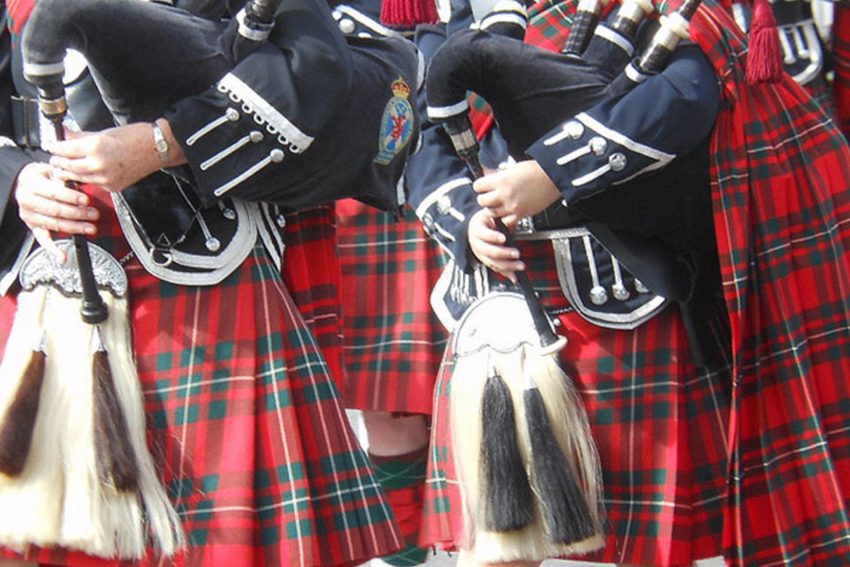
The kilt’s origins lie in the 16th-century great kilt — a single length of cloth used as clothing by day and blanket by night. Today’s tailored kilt is more formal, but it still represents clan history, regional identity, or sometimes simply national pride.
Tartan (The Language Woven Into Cloth)
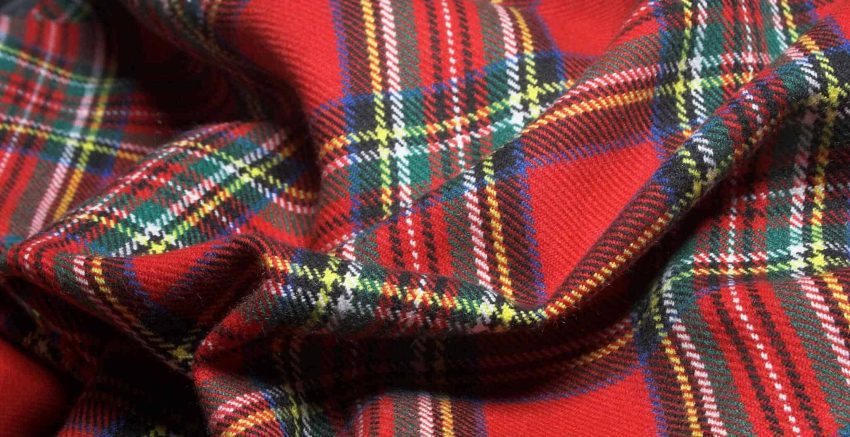
Tartan isn’t just a pattern. It’s a system. Each design is defined by thread count and colour sequence — meaning authentic tartans are legally recorded and reproducible.
Contrary to popular belief, you don’t need to share a surname to wear a tartan. In modern Scotland, these categories are common:
- Clan tartans – linked to surnames and families
- District tartans – linked to regions (e.g. Isle of Skye)
- Universal tartans – like Black Watch or Royal Stewart
In 2026, tartan appears far beyond kilts — scarves (£20–£40), sashes (£25–£60), blankets (£80–£150), and even modern tailoring.
Glengarry (The Hat That Signals Formality)
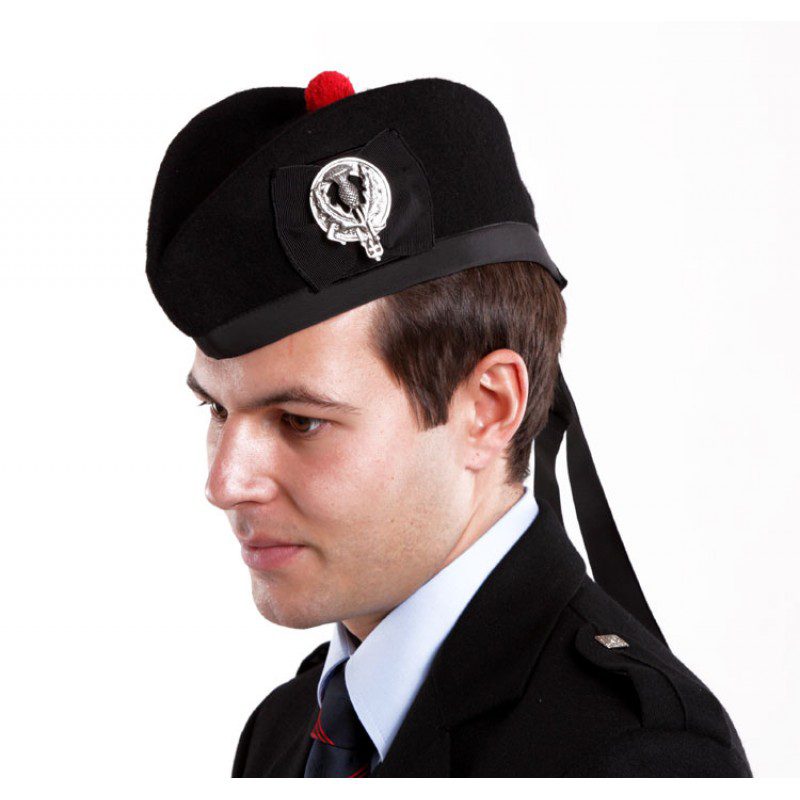
The Glengarry is a structured wool cap with ribbons at the back. In modern Scotland, it’s a signal: this is formal Highland dress, not festival wear.
You’ll see Glengarries at the Edinburgh Military Tattoo, pipe band competitions, and military ceremonies. Prices in 2026 typically range from £25–£45, depending on badge and tartan.
The Arisaid (Women’s Highland Outerwear)
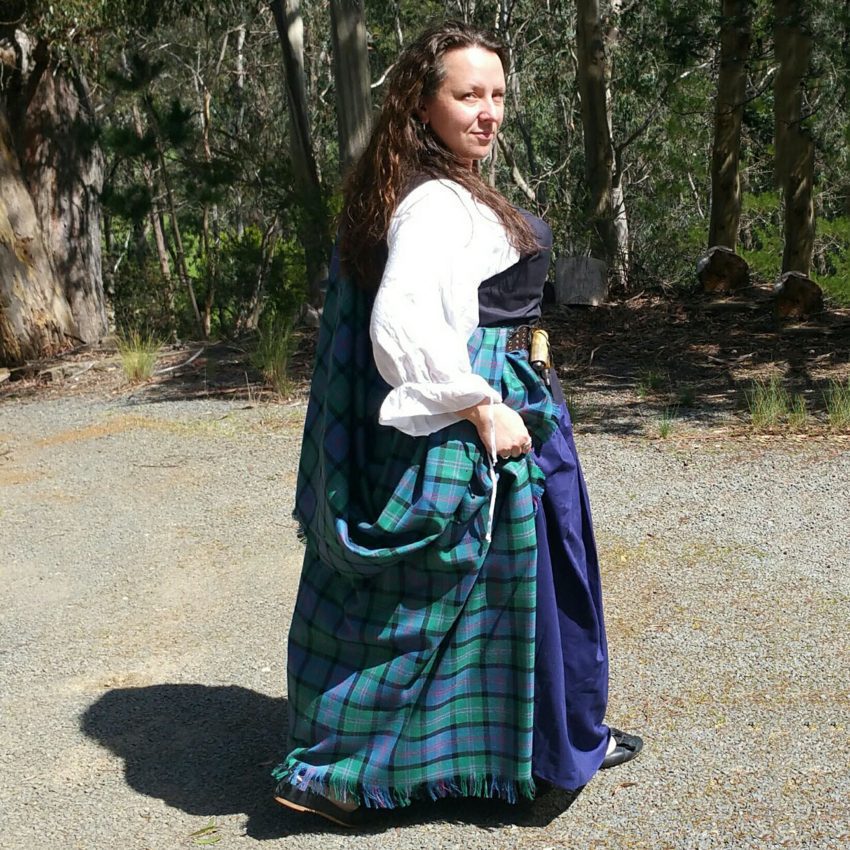
The arisaid is a flowing tartan garment traditionally worn by Highland women. Draped over the shoulder and fastened with a brooch, it functioned as both warmth and status symbol.
In 2026, arisaids are most commonly worn at weddings, historical events, and Highland dance competitions. Contemporary versions typically cost £120–£250, depending on wool quality and tartan.
The Balmoral Bonnet (Royal Influence Made Practical)
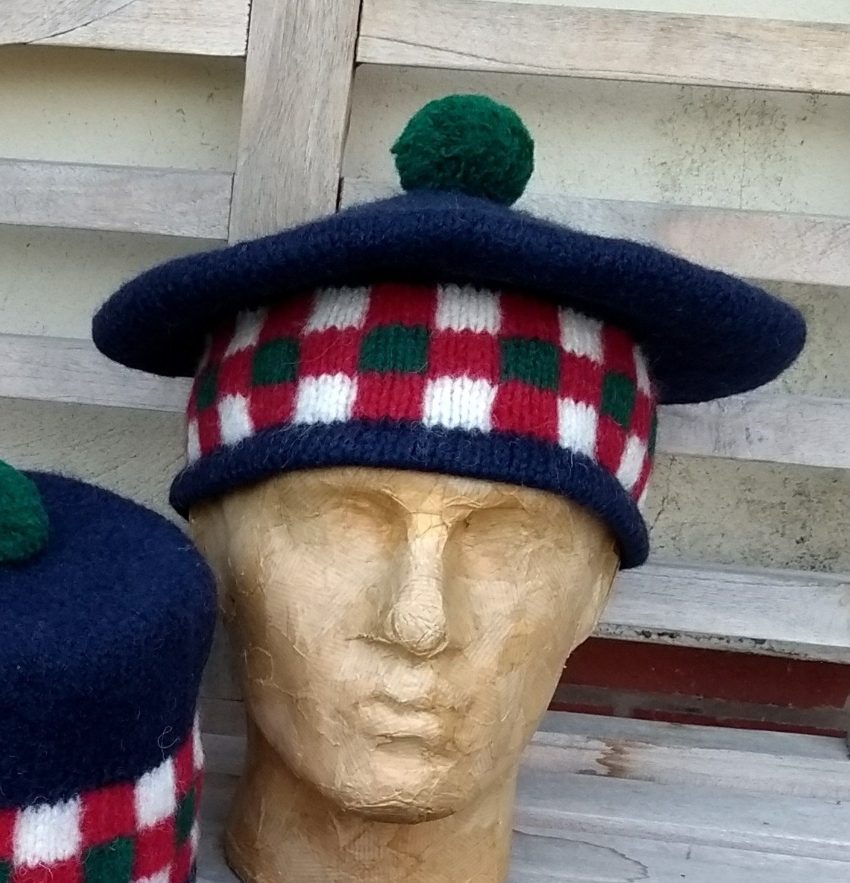
The Balmoral bonnet — sometimes confused with a tam o’shanter — takes its name from Balmoral Castle. Its rounded shape and pom-pom (toorie) became popular through royal patronage in the 19th century.
Today, it’s worn by military units, pipe bands, and ceremonial groups. Expect prices of £30–£55 in 2026.
The Sporran (Because Kilts Have No Pockets)
The sporran is not decorative — it’s functional. Since kilts lack pockets, the sporran carries essentials and balances the front of the garment.
Styles vary by formality:
- Day sporran (leather): £35–£70
- Semi-formal sporran: £60–£120
- Dress sporran (fur, metal cantle): £120–£300+

The Prince Charlie Jacket (Black Tie, Highland Style)
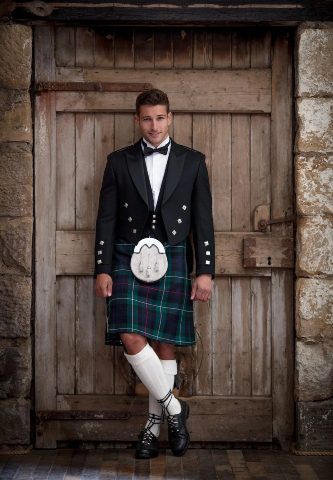
The Prince Charlie jacket is the equivalent of a tuxedo in Highland dress. Short, formal, and worn with a waistcoat and bow tie, it’s reserved for evening events.
In 2026, you’ll see it at weddings, Burns Night suppers, and formal balls. Jacket hire usually adds £20–£40 to a kilt package; purchase prices start around £180.
Sgian-dubh (The Knife That’s Meant to Be Seen)
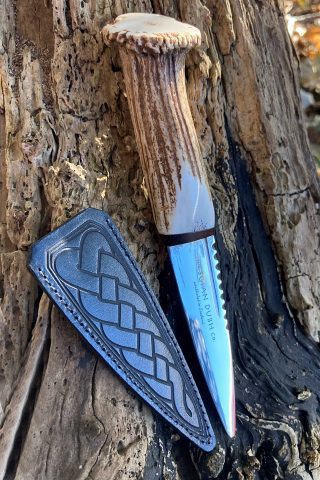
The sgian-dubh is a small ceremonial knife worn tucked into the right sock. Historically, it signalled trust — a visible blade rather than a hidden one.
Modern versions are blunt and symbolic. Prices range from £20–£80. At secure venues in 2026, including airports and stadiums, sgian-dubhs are usually not permitted.
Once you understand Scottish traditional clothing, you stop seeing outfits.
You start seeing messages — about family, respect, occasion, and belonging. That’s why these clothes have survived bans, fashion cycles, and centuries of change.
The next time you see a kilt, you won’t just notice the tartan.
You’ll notice what it’s saying.
The Royal Family of the UK – Updated Guide
Scottish dress didn’t evolve in isolation. Royal influence shaped much of what survives today. Explore how the monarchy intersects with British identity in our full guide.