Aluminium Industry in the UK: The Real State of Play in 2026
The UK aluminium industry has been written off like a closed mine—quiet, cold, and left behind. But beneath the surface, the metal is still moving, reshaped by new energy economics, tighter supply chains, and industrial pragmatism.
In 2026, this sector looks less like a relic and more like a retooled workshop, smaller but sharper. To understand where it stands now, we need to look past the old narrative and examine the reality on the ground.
What actually defines aluminium in the UK today isn’t raw tonnage or giant smelters. It’s something quieter, more strategic—and far more valuable: recycling dominance, energy innovation, and high‑value manufacturing.
This is the aluminium industry the headlines miss—and the one businesses, engineers, and policymakers are now betting on.
Aluminium in the UK, 2026: Smaller, Smarter, More Profitable
The UK no longer competes with China or the Middle East on primary aluminium smelting. Instead, it competes where margins are higher and carbon costs matter.
By 2025–2026, the UK metals sector supports over 11,500 companies and more than 1 million jobs across the supply chain, according to the UK Metals Council. Aluminium plays a central role in this ecosystem—particularly in recycling, extrusion, rolling, and advanced alloys.
The real shift? Energy and carbon.
Recycled aluminium uses around 95% less energy than primary production. In a country with high electricity costs, that isn’t an environmental slogan—it’s an economic survival strategy.
Aluminium Suppliers UK: Who Actually Moves the Market
Demand for aluminium in the UK continues to rise in automotive, construction, aerospace, packaging, and renewables. But the supplier landscape has matured.
In 2026, the most influential aluminium suppliers operating in the UK include:
- Novelis UK – Europe’s largest recycler of aluminium, with major operations at Latchford, Warrington
- Hydro Aluminium UK – extrusions and low‑carbon aluminium solutions
- Sapa Profiles UK (now part of Hydro) – specialist extrusion systems
- Alcoa – upstream expertise and global supply integration
For buyers in 2026, supplier choice is no longer just about price.
- Carbon intensity per tonne (often reported in kg CO₂e)
- Scrap content percentage (50–90%+ for many UK products)
- Lead times (UK extrusion averages 2–4 weeks for standard profiles)
- Traceability and compliance (CBAM and post‑Brexit documentation)
Aluminium Extrusions UK: Why Demand Keeps Growing
Extrusions are where the UK aluminium industry quietly excels.
From window frames and EV battery housings to rail interiors and solar mounting systems, aluminium extrusions combine strength, lightness, and design flexibility that steel struggles to match.
Largest UK end‑use sectors for aluminium extrusions in 2026:
- Construction and infrastructure
- Automotive and electric vehicles
- Aerospace and defence
- Consumer electronics and industrial equipment
Leading extrusion manufacturers operating in the UK include Hydro Aluminium, Sapa Profiles, and Aluroll UK, offering both standard and bespoke profiles.

Aluminium Prices in the UK (2026): What Businesses Actually Pay
Here’s where outdated articles cause real damage: aluminium pricing.
As of January 2026, London Metal Exchange (LME) aluminium prices have traded above $3,100 per tonne, driven by energy costs, supply constraints, and decarbonisation pressure.
In the UK physical market, typical delivered prices (January 2026):
- Secondary aluminium alloy (LM24): £2,050 – £2,100 per tonne
- Higher‑grade alloys (LM6 / LM25): £2,525 – £2,600 per tonne
- Cast aluminium scrap: £1,450 – £1,500 per tonne
Prices fluctuate weekly. For live benchmarks, businesses monitor the London Metal Exchange (lme.com) and UK market assessments such as Argus Metals.
Manufacturers Leading the 2026 Shift
UK aluminium manufacturing leadership in 2026 is defined by decarbonisation.
In August 2025, Novelis completed the UK’s first industrial‑scale hydrogen fuel switch at its Latchford recycling plant. The two‑week trial proved aluminium furnaces can operate on up to 100% hydrogen without quality loss.
If rolled out permanently, this single site could cut 45,000 tonnes of CO₂ per year. That’s not a pilot. That’s a blueprint.
Alongside Novelis, Hydro Aluminium continues expanding low‑carbon extrusion systems, while UK‑based innovators like Metalysis push next‑generation alloy production.
Forging, Mills, and Sales: Where Aluminium Still Wins
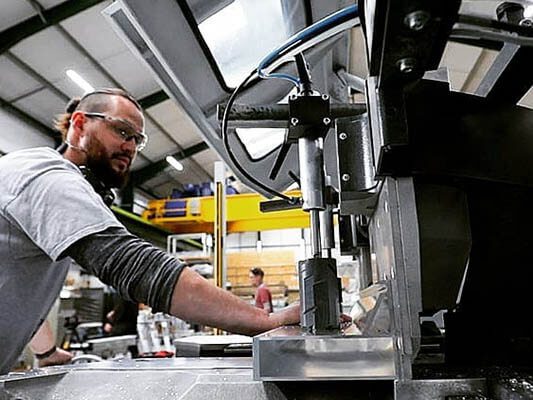
High‑performance aluminium forgings remain critical in aerospace, defence, and high‑stress automotive components.
- Wyman‑Gordon
- Mettis Aerospace
- Doncasters Group
Rolling mills and extrusion plants anchor regional economies—particularly in the Midlands and North West—supporting skilled jobs that are difficult to offshore.
Sales growth in 2026 is strongest in:
- Electric vehicles and battery enclosures
- Rail and public transport upgrades
- Sustainable packaging (cans, foils, lightweight containers)
Conclusion: The Industry You Thought Was Shrinking Isn’t
The UK aluminium industry didn’t disappear.
It evolved.
In 2026, aluminium in the UK is less about raw output and more about precision, recycling, and energy intelligence. The companies that understand this aren’t just surviving—they’re setting the rules for what low‑carbon manufacturing looks like.
And that’s the part most people still haven’t noticed.