Buckingham Palace in 2026: What Visitors Get Wrong (and How to See It Properly)
In 2026, Buckingham Palace isn’t the royal home you picture. It runs year‑round as the British state’s engine room, with offices, briefings, and ceremonies unfolding behind guarded gates—only briefly pausing for public access.
That mismatch fuels crowded visits and missed highlights. Here’s what visitors get wrong about the palace—and how to see it properly when the doors finally open.
This isn’t just an article about Buckingham Palace. It’s a guide to seeing it at the right time, in the right way, with facts that actually affect your visit.
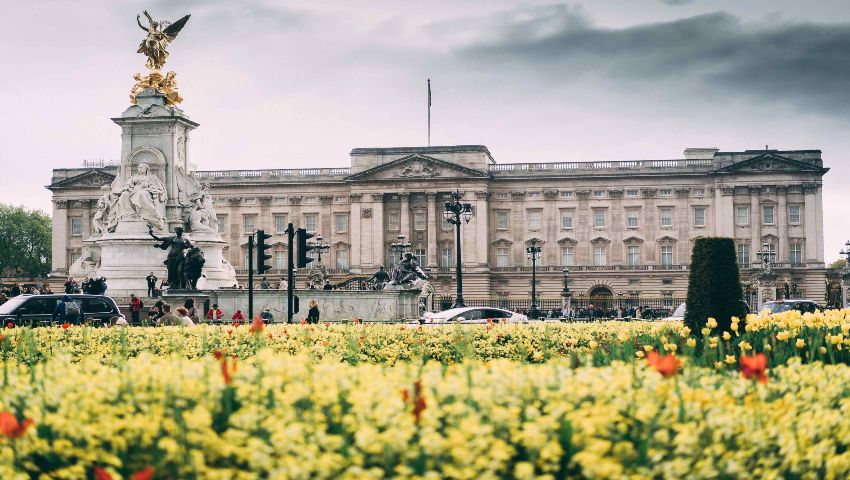
A Palace Most People Never Actually Enter
Buckingham Palace has served as the official London residence of the British monarch since 1837. But in 2026, King Charles III does not live here full-time.
The palace functions as the administrative headquarters of the monarchy: state banquets, investitures, weekly audiences with the Prime Minister, and diplomatic receptions all happen here. The King and Queen Camilla currently reside at Clarence House, next door, while Buckingham Palace undergoes a long-term refurbishment scheduled to run until at least 2027.
This matters because it explains the biggest misconception visitors have: access to Buckingham Palace is rare by design.
Exactly When You Can Visit in 2026 (Dates, Times, Prices)
The State Rooms are open to the public only during the summer, when official schedules allow it.
2026 summer opening dates:
📅 9 July to 27 September 2026
Opening times:
• 9 July – 31 August: 9:30am–7:30pm (daily)
• 1–27 September: 9:30am–6:30pm (Thursday–Monday)
Ticket prices (State Rooms, 2026):
• Adult (25+): £33
• Young person (18–24): £21.50
• Child (5–17): £16.50
• Under 5s: Free (ticket still required)
Advance booking is strongly recommended via the Royal Collection Trust. On-the-day tickets cost £2–£4 more and frequently sell out.
What You’re Actually Seeing Inside
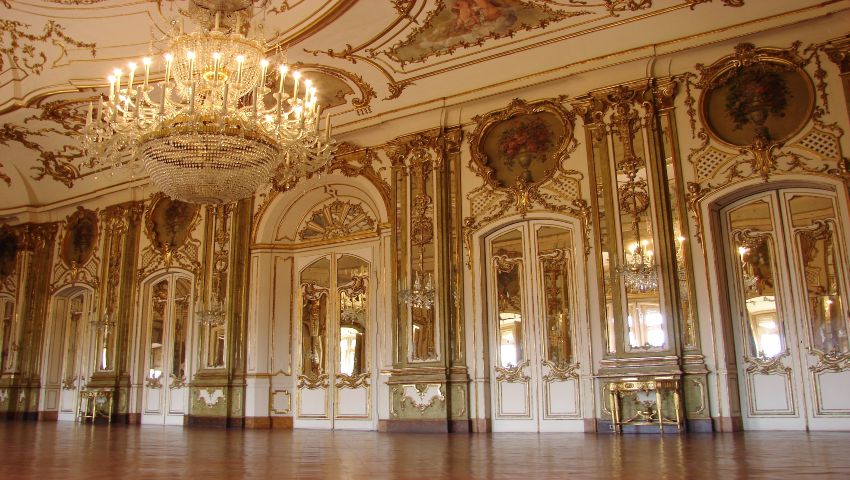
When you enter Buckingham Palace, you are not touring living quarters. You are walking through 19 State Rooms used for diplomacy and ceremony.
Expect the Throne Room, the Ballroom (the largest space in the palace), the White Drawing Room, and the Picture Gallery displaying works by Rembrandt, Rubens, and Van Dyck. Photography is not permitted inside the State Rooms.
A full visit takes 2 to 2.5 hours and exits through the 39-acre Palace Garden, an experience many visitors don’t realise is included in the ticket.
The Changing of the Guard: Free, Precise, and Often Misunderstood
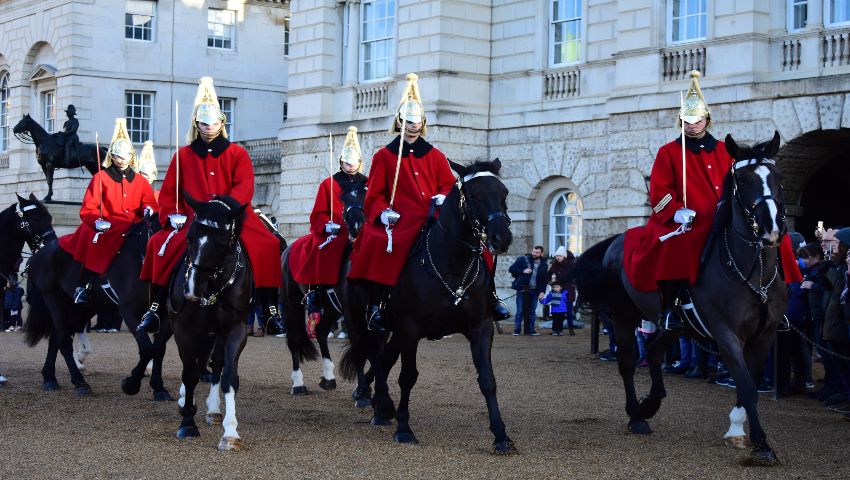
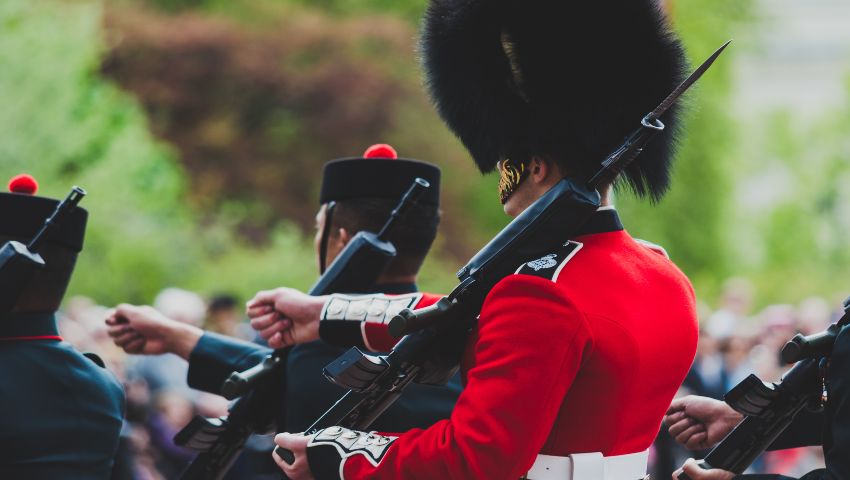
The Changing of the Guard is free. No tickets are required, despite what many tour resellers suggest.
Typical 2026 schedule:
• Mondays, Wednesdays, Fridays, Sundays
• Main ceremony: 11:00am
• Duration: ~45 minutes
The ceremony may be replaced by a Captain’s Inspection (3:00pm) or cancelled due to weather or operational duties. Always check the Household Division schedule before arriving.
The Rubens at the Palace: Not Inside, But Strategically Placed
The Rubens at the Palace is not part of Buckingham Palace, but it sits directly opposite the Royal Mews.
Originally opened in 1912, the five-star hotel has 161 rooms and underwent a major renovation in 2016. Rooms with Palace views command premium rates, especially during summer opening months.
Souvenirs That Actually Fund the Palace
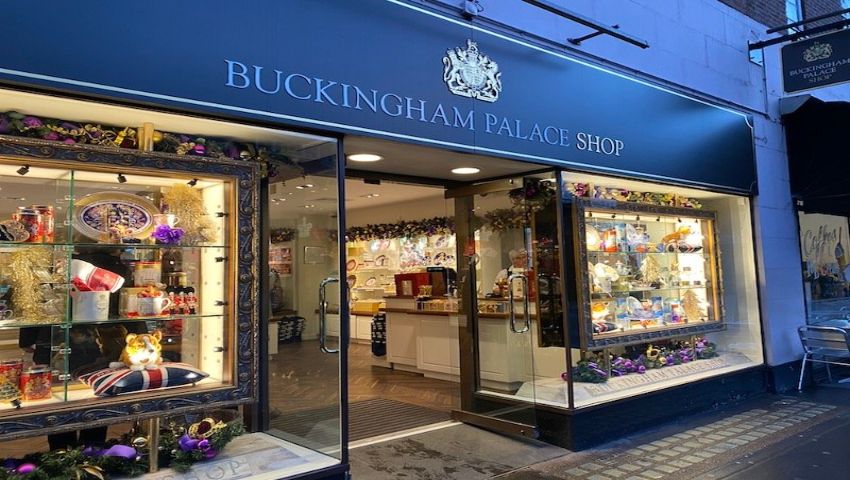
The official Royal Collection Trust shop on-site sells gifts whose profits directly support conservation work across royal residences.
Popular items include commemorative china, books, jewellery, chocolates, and limited-edition prints tied to current exhibitions.
Why Buckingham Palace Feels Different Once You Know This
Buckingham Palace isn’t closed most of the year because it’s old-fashioned.
It’s closed because it’s busy.
When you finally walk through the State Rooms, you’re not stepping into a museum. You’re stepping into a building that will host diplomats, ministers, and monarchs again the very next day.
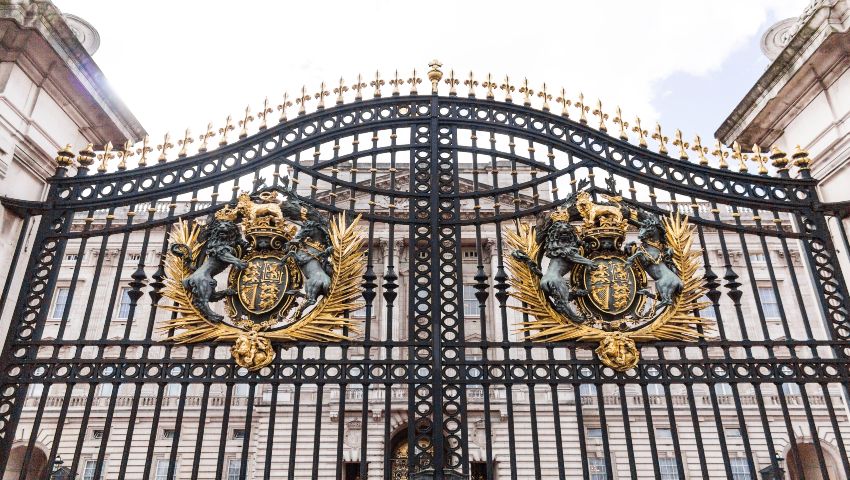
Once you understand that, Buckingham Palace stops being something you simply photograph from the gates.
It becomes something you finally see at the right moment — and for a reason.