
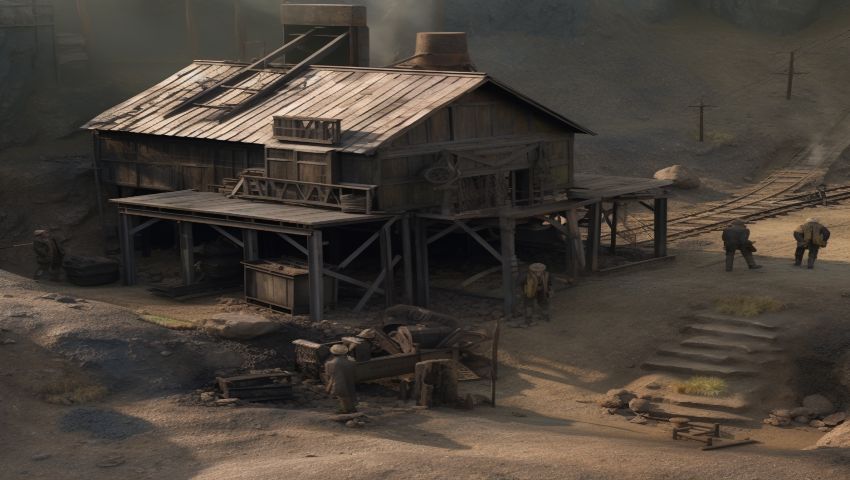
Coal in the UK 2026: How a 140-Year Power Era Ended — and What Replaced It
The last coal plant didn’t die with a protest or a blackout. One calm September evening, engineers shut down Ratcliffe-on-Soar, and a 140-year habit slipped off the grid without ceremony.
By 2026, coal isn’t being phased out in Britain — it’s history. What followed that quiet switch tells a bigger story about power, policy, and what now keeps the lights on.
It has already done it.
This matters more than most people realise. Coal didn’t just power factories. It shaped wages, towns, trade unions, railways, foreign policy — even the layout of British cities. So when coal disappears, something deeper shifts with it.
Coal Built Britain — Faster Than Anything Before It
Most people think of coal as old technology. Sooty. Primitive. Obsolete.
That’s not how it felt in the 18th and 19th centuries.
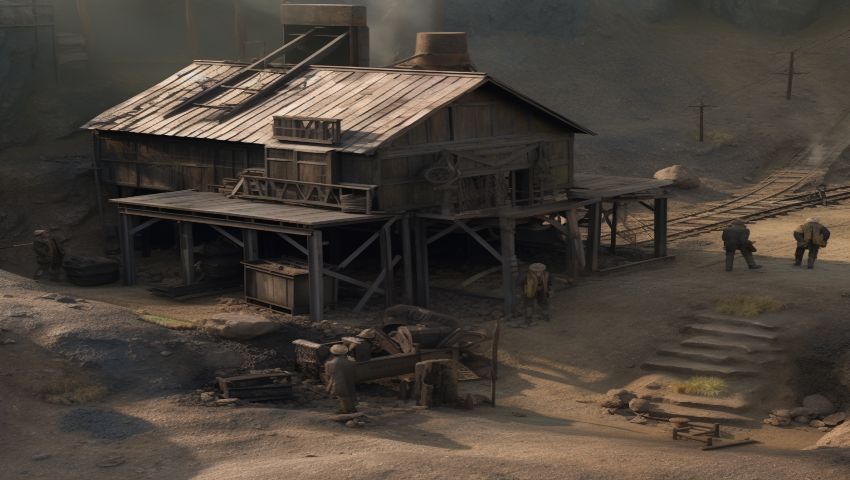
Coal was acceleration. Steam engines fuelled by coal turned Britain into the world’s first industrial superpower. By the mid-1800s, UK coal output powered:
- Textile mills running 24 hours a day
- Iron and steel production on an unprecedented scale
- Railways connecting ports, factories, and cities
- Urban heating for millions of homes
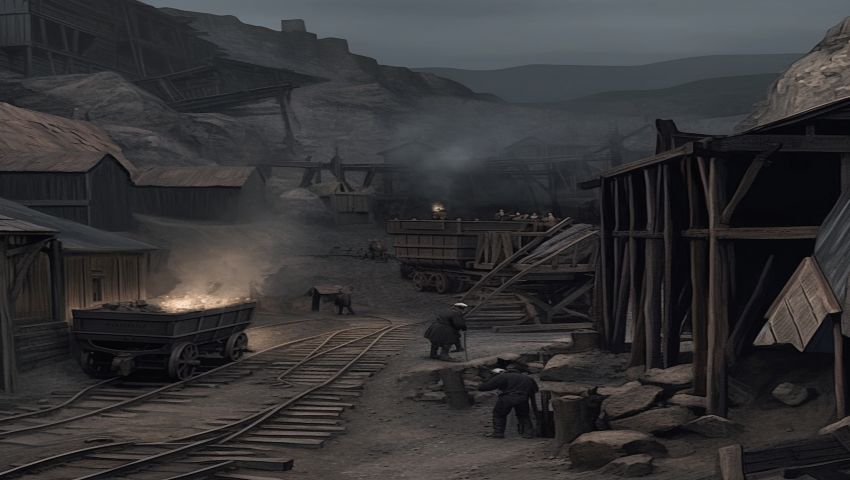
By the 1920s, more than 1.2 million people worked in coal mining across over 3,000 mines. Entire towns in Yorkshire, South Wales, Nottinghamshire, and Scotland existed because coal existed.
The Collapse Wasn’t Sudden — But It Was Relentless
The common myth is that coal “died” in the 1980s.
The truth is more uncomfortable.
Coal entered a slow decline from the 1960s onwards, squeezed by North Sea gas, oil imports, nuclear power, and rising extraction costs. Political conflict accelerated it. Economics finished the job.
By 2024, UK coal production had fallen to around 0.1 million tonnes a year — down from over 120 million tonnes in 1981. By comparison, Britain now burns more wood pellets at Drax than coal nationwide.
2026 Reality Check: Coal Is Gone From UK Power
Here’s the part most people miss.
The UK is now coal-free for electricity generation. Not mostly. Not nearly.
Coal’s share of the electricity mix is effectively 0%. The last plant closed in September 2024, making the UK the first G7 country to fully eliminate coal power.
What replaced it?
- Wind: ~30% of electricity in 2025, mostly offshore
- Gas: ~27–29%, filling gaps when renewables dip
- Nuclear: ~12%, declining but still critical
- Solar: ~6–7%, growing fast
- Imports & storage: balancing supply
In several half-hour periods during 2025, Britain ran on over 97% zero-carbon electricity. Ten years earlier, that would have sounded impossible.
The Hidden Cost: Communities That Paid the Price
Coal’s end wasn’t evenly shared.
Mining towns lost not just jobs, but identity. When a pit closed, everything around it weakened: shops, schools, transport links, housing prices.
Today, fewer than 5,000 people work directly in UK coal extraction and remediation — mostly in site management, safety, and legacy clean-up.
The lesson policymakers learned too late is simple: energy transitions succeed technically, but fail socially unless communities move with them.

Why Coal Isn’t Coming Back (Even in an Energy Crisis)
Energy shocks usually revive old fuels.
Not coal.
By 2026, restarting coal would require:
- Rebuilding closed plants at costs exceeding £1–2 billion per site
- Re-hiring and retraining a workforce that no longer exists
- Violating legally binding UK carbon budgets
- Paying carbon prices that make coal uncompetitive
Even with carbon capture, coal cannot compete with offshore wind at £40–£60 per MWh. The market has already moved on.
This Was Never Really About Coal
Coal’s story isn’t a warning about fossil fuels.
It’s a lesson about speed.
Britain took 140 years to build a coal-based economy — and less than 15 years to dismantle it. The same forces are now reshaping gas, oil, and even nuclear.
The question isn’t whether coal will return.
It won’t.
The real question is which industries will be next — and whether Britain moves early enough to shape the transition, rather than absorb it.
Steel Industry in UK… your full guide 2026
Steel followed coal into Britain’s industrial heart — and now faces its own energy reckoning. Understanding coal’s end helps explain steel’s uncertain future.