Digital Payments UK 2026: What Really Determines How You Get Paid
On a wet Tuesday morning, a café owner checks yesterday’s takings. One payment lands instantly, another crawls in days later. Same customers, same prices—very different outcomes.
By 2026, getting paid in the UK is shaped less by headline fees and more by speed, reliability, rules, and habit. Here’s what actually decides which payments win.
In 2026, digital payments in the UK are about control: control over cash flow, fraud risk, customer trust, and how quickly money actually lands in your bank account. Fees matter, yes. But they are rarely the reason businesses lose money.
This guide updates everything you need to know about digital payments in the UK for 2026 — with real prices, real trade-offs, and the quiet truths most comparison tables never explain.
Digital Payments UK in 2026: The Reality
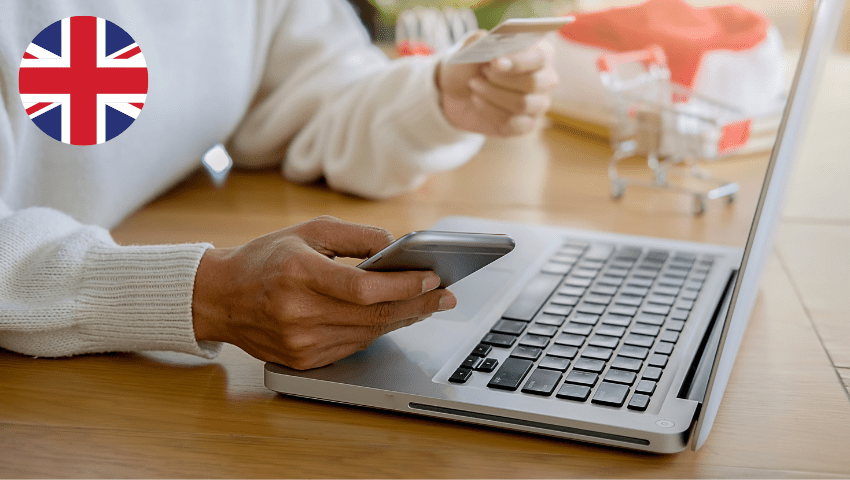
By 2026, the UK is effectively a cash-light economy. Contactless, online cards, digital wallets, and Buy Now Pay Later dominate both e‑commerce and in‑store payments. Over 52 million people in the UK shop online, and digital payments now underpin everything from Deliveroo orders to council tax payments.
The uncomfortable truth? Not all digital payments are equal. Some prioritise global reach. Others prioritise speed. Others quietly optimise chargeback protection — which can save more money than any percentage fee ever will.
Worldpay (Best for High-Volume UK Businesses)
Worldpay remains the heavyweight of UK payments in 2026. It processes a significant share of UK card transactions and is deeply embedded in enterprise retail.
Typical 2026 costs (UK):
• Gateway fees from £19–£45 per month
• Transaction rates from 0.75% (high volume, negotiated)
• Card machine rental from £17.50/month
• Chargeback fee: £15
Worldpay is not cheap — but it is predictable. For businesses processing over £75,000 per year, custom pricing often beats flat-rate platforms.
Shopify Payments (Best All‑in‑One Setup)
Shopify isn’t just a website builder anymore. In 2026, it’s a full commerce operating system — payments included.
Monthly plans (2026):
• Basic: £25/month
• Shopify: £65/month
• Advanced: £344/month
Transaction fees depend on plan and card type, but Shopify’s real advantage is speed: store, checkout, payments, tax, and reporting — all under one login.
PayPal (Best for Customer Trust)
Despite newer fintech rivals, PayPal still converts browsers into buyers. In the UK, customers trust the PayPal button — especially for first-time purchases.
Standard UK fees (2026):
• Domestic transactions: 2.9% + £0.30
• QR payments over £10: 1.5% + fixed fee
• No monthly fee for standard accounts
You pay more per transaction — but often gain more completed checkouts.
Stripe (Best for Developers & Scale)
Stripe remains the quiet backbone of the internet. If you’ve paid online without noticing the payment processor, it was probably Stripe.
Stripe UK pricing (2026):
• UK cards: 1.5% + 20p
• EU cards: 2.5% + 20p
• International cards: 3.25% + 20p
• No setup or monthly fees
Stripe’s real value is fraud prevention, API flexibility, and instant scalability — not headline prices.
SagePay (Opayo)
Now branded as Opayo, SagePay still serves over 50,000 UK businesses with fixed monthly pricing and strong reliability.
Best for businesses wanting predictable monthly costs without complex technical setup.
Klarna (Buy Now, Pay Later)

Klarna isn’t a payment method — it’s a conversion tool.
Typical UK merchant fees (2026):
• From 1.99% to 2.49%
• No setup or monthly fees
Customers buy more when payment feels smaller — even if it isn’t.
Payoneer, 2Checkout, Adyen
These platforms shine where borders matter. Global marketplaces, SaaS, freelancers, and international clients benefit from multi-currency settlement, local receiving accounts, and reduced FX friction.
Expect transaction fees around 2.4%–3%, plus currency conversion where applicable. Always check the official site for current rates.
The Truth Most Guides Miss
The best digital payment system in the UK is rarely the cheapest.
It’s the one that:
• Pays out when you need cash flow
• Reduces chargebacks before they happen
• Feels familiar to your customer at checkout
In 2026, payments are psychology as much as technology.
The moment you stop choosing platforms by headline fees — and start choosing them by behaviour — your revenue quietly improves.