Manchester Jewellers in 2026: Where Craft, Value and Ethics Actually Meet
Behind the bright cases and polished smiles, something else is at work. In Manchester’s jewellery quarter, the real signals are subtle—how pieces are made, where materials come from, and what isn’t being said.
In 2026, craft, value and ethics quietly intersect for those who know how to read the clues. The question is where to start looking.
In 2026, the real difference between Manchester jewellers is what you’re not being told: how pricing really works, how ethics are verified (not claimed), and why two rings that look identical can differ by thousands of pounds.
This guide is not a catalogue. It’s a decoder.
The Manchester Jewellery Gap (What Buyers Get Wrong)
Most buyers assume three things:
- All reputable jewellers price similarly
- “Ethical” means the same thing everywhere
- Bespoke automatically means expensive
In Manchester, all three are false.
The city’s jewellery scene is unusually competitive. That competition creates hidden advantages for buyers who know how to read them.
What Jewellery Actually Costs in Manchester (2026 Numbers)
Let’s ground this in real figures.
Across the UK, the average engagement ring spend sits between £1,800 and £2,500, with lab-grown diamonds pulling the average down while increasing stone size and quality. Manchester closely mirrors this range.
- 0.5ct lab-grown diamond ring: £950–£1,600
- 1ct lab-grown diamond ring: £1,400–£2,200
- 1ct natural diamond ring: £3,000–£6,000+
- Bespoke design premium: often £0–£500 extra (not thousands)
The surprise? In Manchester, bespoke often costs less than branded showroom pieces because overheads are lower than London.
Why Manchester Became a Jewellery City (Not by Accident)
Manchester’s jewellery culture didn’t grow out of luxury.
It grew out of engineering precision.
The Industrial Revolution created a city skilled in metals, tolerances and tooling. Jewellery workshops evolved alongside textile machinery and precision manufacturing. That legacy still shows today in the number of jewellers offering in-house CAD design, stone-setting and repairs under one roof.
Where to Buy: Manchester Jewellers That Still Matter
David M Robinson – St Ann’s Square
Address: 28 St Ann’s Square, Manchester M2 7JB
Opening hours: Mon–Sat 10am–5pm, Sun 11am–4pm
Phone: 0333 996 9987
Known for luxury watches and high-end jewellery, DMR also quietly offers bespoke services and valuations. Prices reflect craftsmanship rather than trend markup.
Hancocks Jewellers
Established: 1860
Opening hours: Mon–Sat 10am–5pm
Phone: 0161 834 4512
Manchester’s oldest jeweller specialises in antique and vintage pieces. Ideal if you value provenance over perfection.
Steven Stone Jewellers
Founded in 1937, Steven Stone is known for transparent pricing, lab-grown diamonds, and bespoke work. Expect practical advice rather than sales theatre.
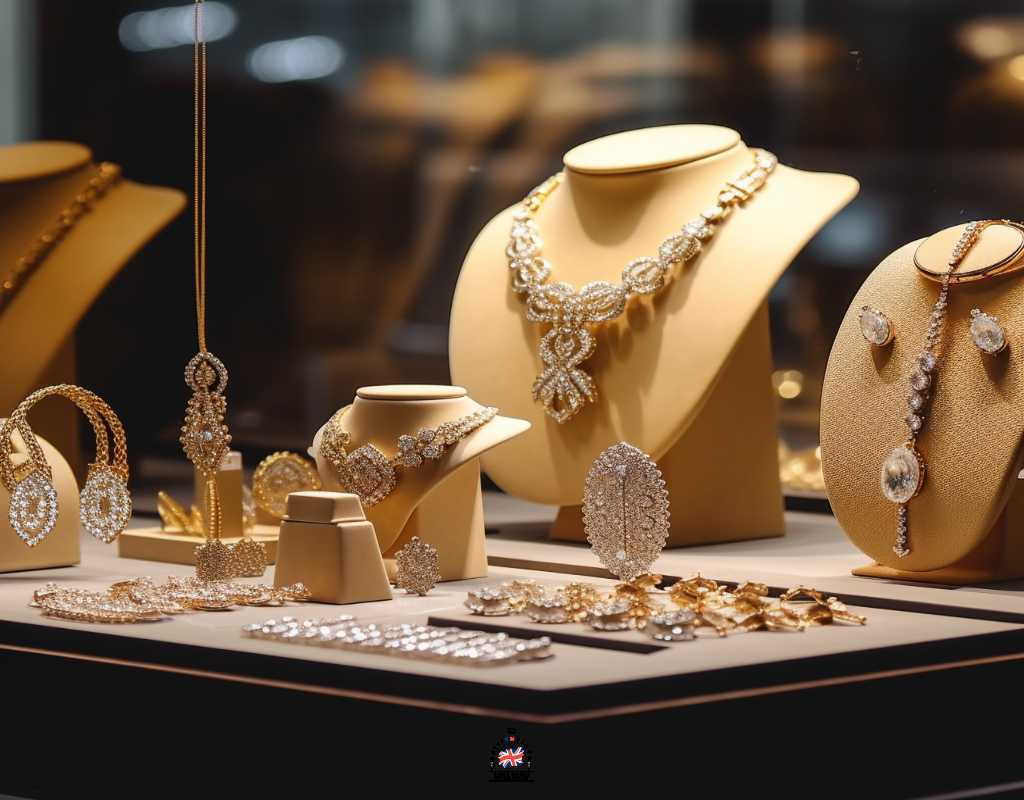
Ethical Jewellery in 2026: Claims vs Proof
Every jeweller says they’re ethical.
Very few can explain how.
In the UK, conflict-free diamonds are regulated through the Kimberley Process, now embedded in law. Ethical jewellers go further by offering:
- Lab-grown diamonds (30–40% cheaper, identical chemically)
- Recycled gold and platinum
- Responsible Jewellery Council (RJC) compliance
If a jeweller can’t explain their sourcing in under two minutes, they don’t control it.
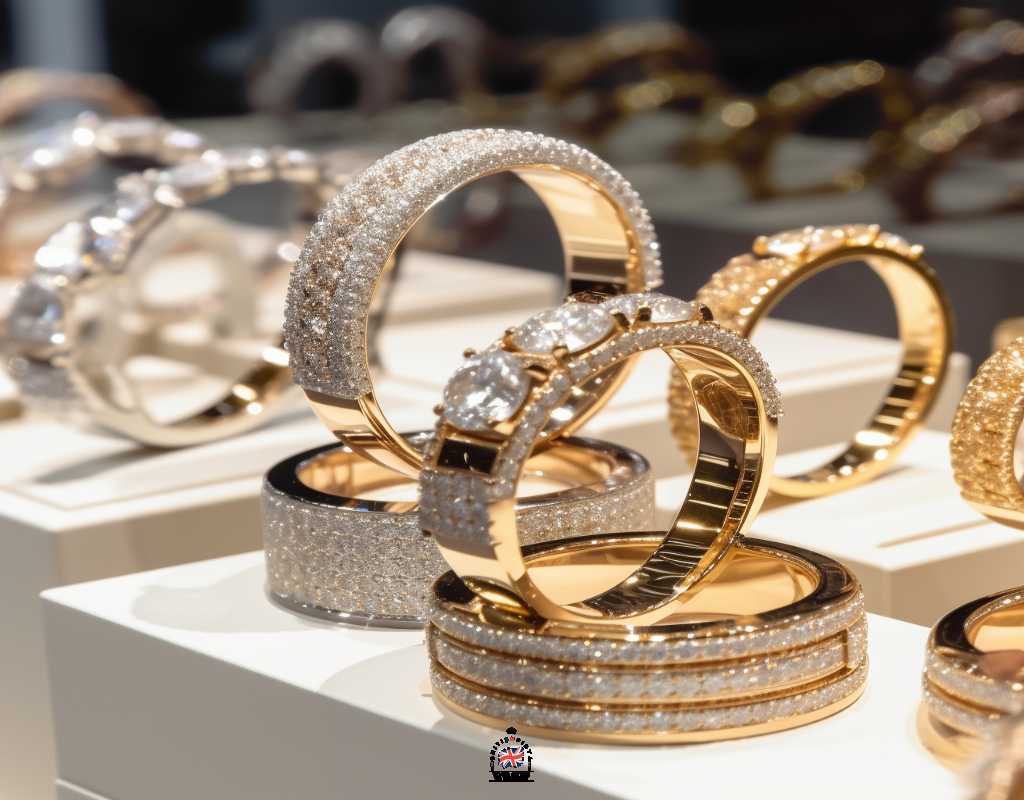
How to Buy Jewellery in Manchester Without Overpaying
- Ask for lab-grown and natural diamond prices side-by-side
- Request CAD previews before committing
- Confirm resizing, cleaning and inspections are included
- Buy outside November–December if possible (peak pricing)
The Manchester Jewellery Scene, Reframed
This started with a simple belief: that jewellery shopping is about aesthetics.
Now you know it’s about information.
In Manchester, the advantage belongs to buyers who ask better questions — not those with bigger budgets.