
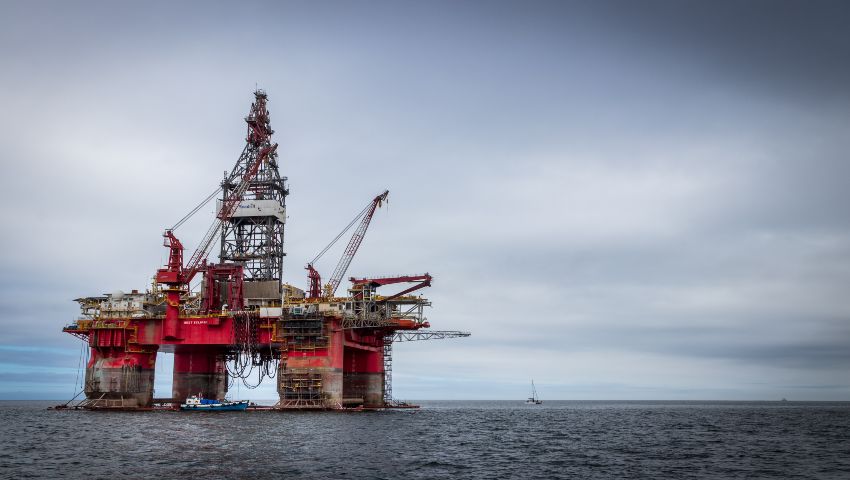
Petroleum in Scotland: What Really Powers the Nation in 2026
The lights stay on. Budgets balance. Skilled hands keep complex systems humming. None of it announces itself—and that’s the trick. In 2026, Scotland’s petroleum story hasn’t vanished; it’s retreated into the background, working quietly while attention drifts elsewhere.
Look closer and a different picture emerges, one shaped by infrastructure, revenue, and hard choices already in motion. To understand what really powers the nation now, you have to follow what’s still flowing—and why it matters.
This isn’t a nostalgic look back. It’s a clear-eyed guide to how petroleum in Scotland actually works today, where it’s heading next, and why the transition is far messier—and more strategic—than headlines suggest.
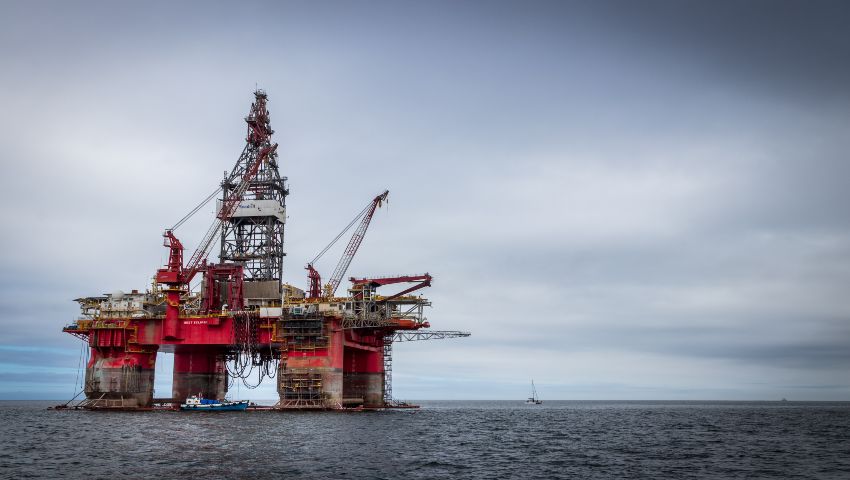
Petroleum in Scotland Didn’t Start Offshore
Scotland’s petroleum story begins long before the North Sea.
In 1851, Scottish chemist James Young cracked a problem the world hadn’t yet named: how to turn shale into usable oil. His work near Bathgate effectively launched the global oil industry.
Then came the real rupture. In the 1960s, vast reserves were confirmed beneath the North Sea. By the late 1970s, oil revenues were reshaping Scotland’s economy, labour market, and global standing.
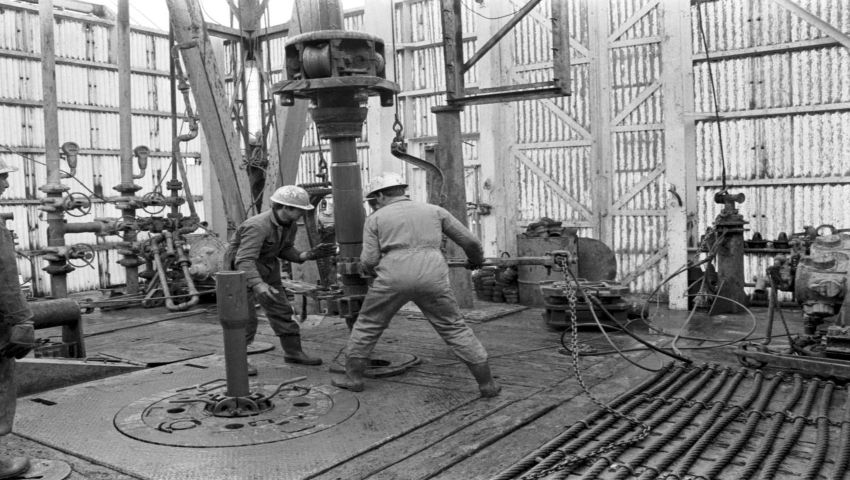
Where Scotland’s Oil Still Comes From in 2026
Despite decline, Scotland remains the centre of UK oil production.
- The Central & Northern North Sea – Mature but still productive fields like Forties and Brent continue operating using enhanced recovery techniques.
- West of Shetland – Technically complex, high-cost, but strategically vital. This region now accounts for a growing share of remaining output.
In 2025, UK oil production averaged roughly 530,000 barrels per day, with a projected fall to about 500,000 barrels per day in 2026. The majority flows through Scottish waters.
The Players Have Changed—And So Has the Regulator
BP and Shell are still here. But the industry now leans heavily on mid-sized operators, private equity-backed firms, and infrastructure specialists.
Crucially, the regulator itself has changed. The Oil and Gas Authority is now the North Sea Transition Authority (NSTA), based in Aberdeen.
Its job is no longer just maximising extraction. In 2026, it also:
- Enforces emissions reductions (flaring down over 30% since 2018)
- Licenses carbon capture and storage
- Oversees decommissioning of ageing infrastructure
Infrastructure: What Still Moves Oil Around Scotland
Oil doesn’t matter unless it can move.
- Forties Pipeline System – Over 400 km long, still one of the most important arteries in the UK energy system.
- Sullom Voe Terminal – Shetland, handling millions of barrels annually.
- Hound Point Terminal – Near Edinburgh, exporting crude to global markets.
One thing has changed dramatically.
Grangemouth Refinery stopped processing crude oil in April 2025. In 2026, Scotland no longer refines its own oil. The site now operates as a fuel import terminal, supplying petrol, diesel, and aviation fuel brought in by sea.
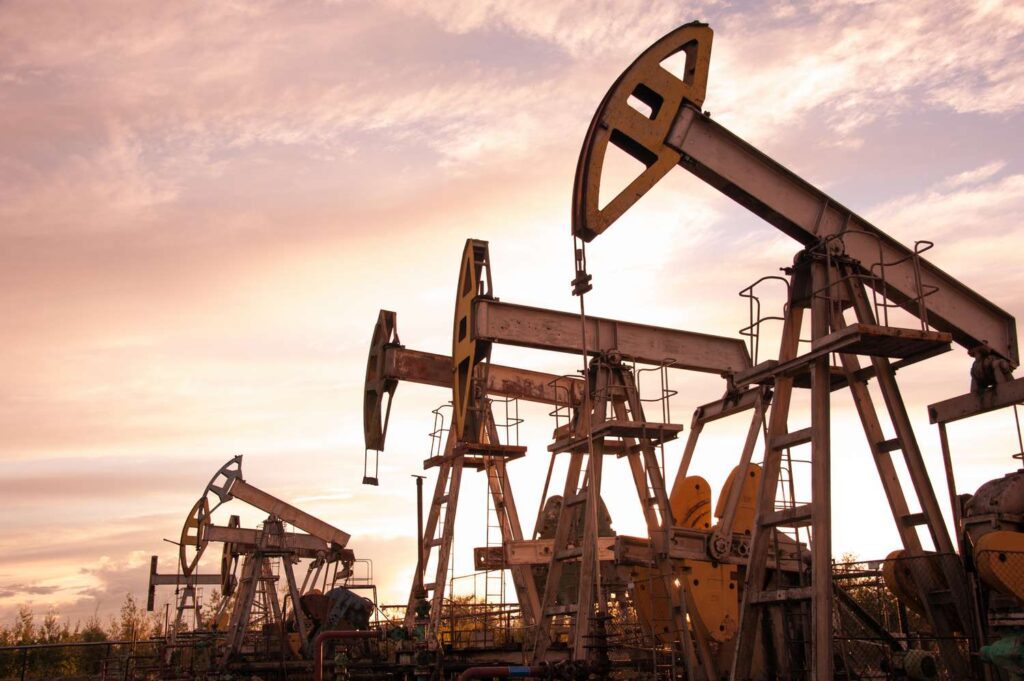

Jobs, Communities, and the Hard Reality of Transition
At its peak, oil and gas supported over 400,000 UK jobs. In 2026, that number is falling fast.
Yet the skills remain invaluable: subsea engineering, heavy fabrication, project management, safety-critical operations.
This is why Aberdeen is no longer branding itself as the oil capital, but as a net-zero energy hub—repurposing petroleum expertise into offshore wind, hydrogen, and carbon storage.
Environmental Pressure Is Now Structural
Scotland’s climate target—net zero by 2045—is non-negotiable.
That means petroleum companies in 2026 operate under:
- Strict SEPA environmental permits
- Mandatory emissions reporting
- Higher taxation via the Energy Profits Levy
The result? Fewer projects—but the ones that proceed are cleaner, smaller, and tightly regulated.
Can You Still Visit Scotland’s Oil Story?
Yes—but not in the way people expect.
- Aberdeen Maritime Museum, Shiprow, Aberdeen AB11 5BY – Free entry, open daily 10am–5pm.
- Scottish Maritime Museum, Irvine – Entry from £10 adults.
- Offshore Europe Conference – September 2026, Aberdeen P&J Live.
So What Does Petroleum Mean for Scotland Now?
Petroleum in Scotland is no longer about growth.
It’s about managing decline without collapse. Using what remains to fund what comes next. And ensuring communities built on oil don’t become collateral damage of the energy transition.
The rigs are still there. The pipelines still flow.
But the story has changed—and now you can see it clearly.