
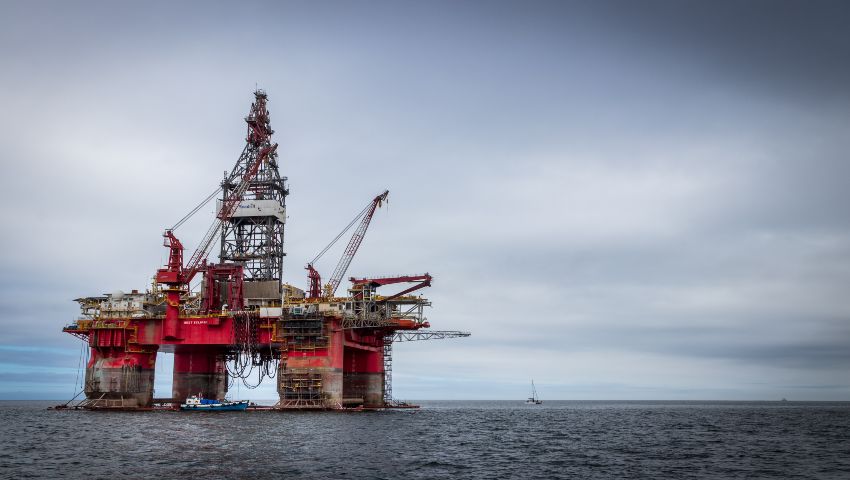
Petroleum in Scotland.. A Comprehensive Guide 2023
Welcome to the ultimate guide to understanding the petroleum industry in Scotland. As someone who has spent years immersed in this fascinating field, I’m excited to share my knowledge with you.
Whether you’re an investor looking to make informed decisions or simply curious about the industry, this article aims to provide a comprehensive and engaging overview.
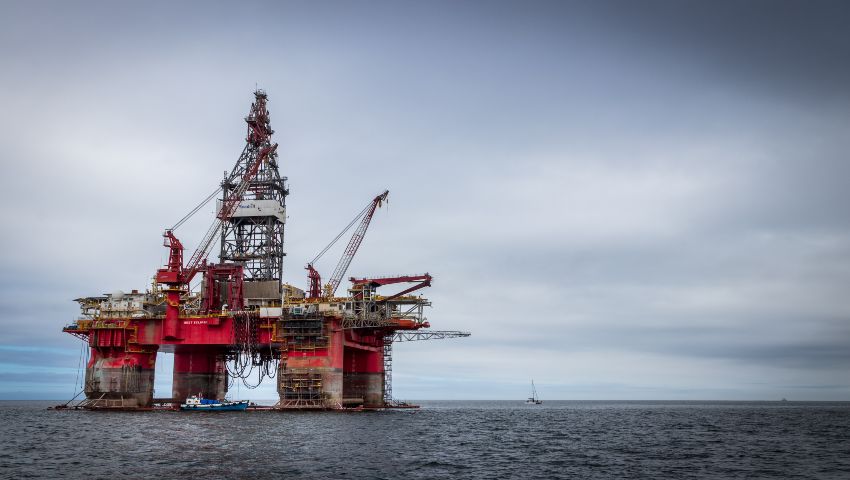
Introduction
A Brief History of Petroleum in Scotland
The story of petroleum in Scotland dates back to the mid-19th century when James Young, a Scottish chemist, pioneered the extraction of oil from shale. Fast forward to the 1960s, the discovery of oil and gas reserves in the North Sea revolutionized the industry, making Scotland a key player in the global petroleum market.
The Importance of Petroleum for Scotland’s Economy
The petroleum industry has been a major driving force behind Scotland’s economic growth. With billions of pounds in revenue generated annually, it has contributed significantly to the nation’s GDP, job creation, and infrastructure development.
Now, let’s dive into the different aspects of this thriving industry.
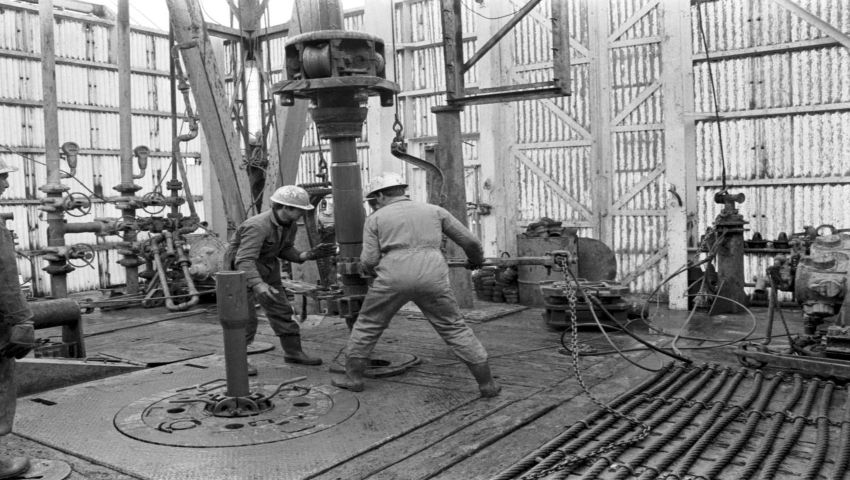
Exploration and Production
Main Regions for Petroleum Exploration in Scotland
There are two primary regions for petroleum exploration in Scotland:
- North Sea: The largest and most productive region, it has been the epicenter of Scotland’s petroleum industry since the 1960s. The North Sea contains several oil and gas fields, including the prolific Forties, Brent, and Ninian fields.
- West of Shetland: This frontier area is considered to have significant untapped reserves, making it a promising region for future exploration and production activities.
Key Players in the Scottish Petroleum Industry
The Scottish petroleum industry is characterized by a mix of major international oil companies (IOCs), such as BP, Shell, and Total, and national entities, including the National Oil Corporation (NOC) and government bodies.
Current Production Statistics
As of 2021, Scotland’s petroleum production was estimated at around 600,000 barrels of oil equivalent per day (boe/d). With ongoing exploration and technological advancements, this figure is expected to increase in the coming years.
Future Prospects and Potential Growth Areas
The future of petroleum in Scotland lies in the exploration of untapped reserves and the implementation of innovative extraction techniques. Enhanced oil recovery (EOR) methods, such as CO2 injection and steam flooding, have the potential to significantly boost production levels.
Infrastructure
Transportation of Petroleum
Petroleum produced in Scotland is transported through a combination of pipeline systems and shipping routes. Key infrastructures include:
- Pipeline systems: The Forties Pipeline System (FPS) and the Brent System are the two primary pipelines transporting oil from the North Sea to mainland Scotland.
- Shipping and terminals: Crude oil and petroleum products are shipped through major terminals, such as the Hound Point Terminal and the Sullom Voe Terminal.
Refineries and Processing Facilities
Scotland is home to the Grangemouth Refinery, one of the largest in Europe. With a processing capacity of over 200,000 barrels per day, this facility plays a crucial role in meeting the region’s demand for petroleum products.
Storage Facilities and Strategic Reserves
Storage facilities and strategic reserves ensure a steady supply of petroleum products in times of crisis. In Scotland, these include underground storage sites, such as those at St. Fergus and Balmoral.
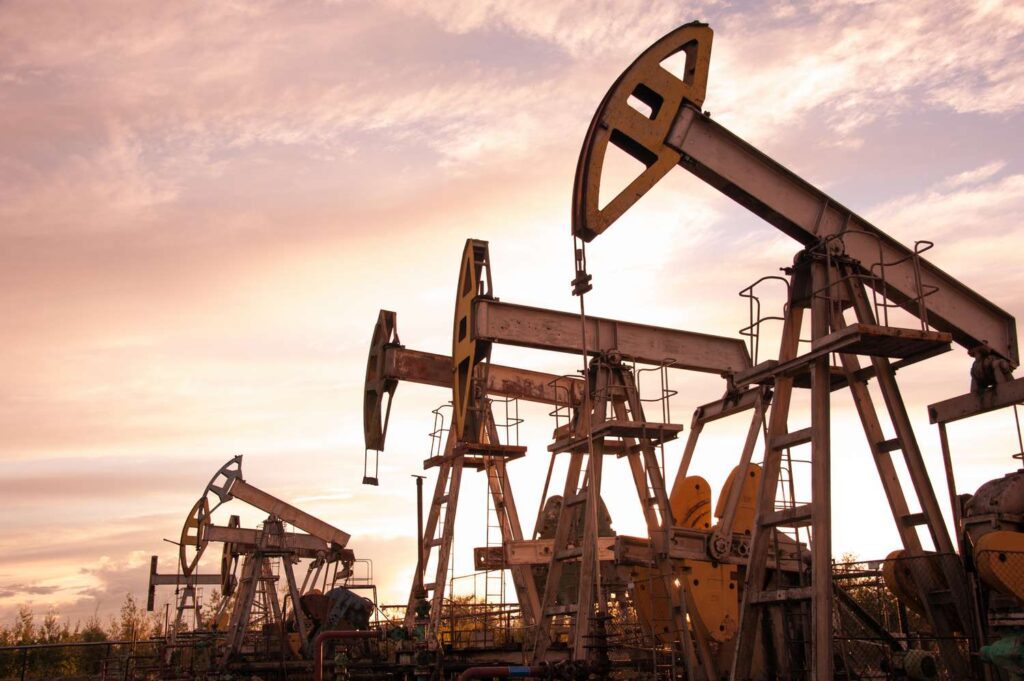

Regulatory Environment
Key Governmental Bodies Overseeing Petroleum Industry
Several governmental bodies are responsible for regulating the Scottish petroleum industry, including:
- Oil and Gas Authority (OGA): Manages the licensing and development of oil and gas resources.
- Health and Safety Executive : Ensures safety and environmental compliance across the industry.
- Department for Business, Energy and Industrial Strategy (BEIS): Develops and implements policies that support the growth of the energy sector, including the petroleum industry.
Environmental Regulations and Compliance
Scotland has stringent environmental regulations in place to minimize the impact of the petroleum industry on the environment. Companies operating in the sector must adhere to guidelines set by the Scottish Environment Protection Agency (SEPA) and other relevant bodies.
Taxation and Incentives for Investors
Scotland offers a favorable tax regime for petroleum companies, with incentives designed to encourage investment in exploration and production. These include tax relief on capital expenditures and a reduced corporate tax rate for oil and gas profits.
Impact on Local Communities
Employment Opportunities in the Petroleum Sector
The petroleum industry has created thousands of high-quality jobs in Scotland, ranging from engineering and geoscience roles to support and administrative positions. These jobs contribute to the overall prosperity and development of local communities.
Corporate Social Responsibility Initiatives
Many petroleum companies operating in Scotland engage in corporate social responsibility (CSR) initiatives, investing in local education, healthcare, and infrastructure projects.
Benefits for Local Economies and Infrastructure Development
The petroleum industry has had a significant positive impact on local economies in Scotland, driving growth and development through job creation, increased tax revenues, and investments in infrastructure.
Challenges and Opportunities
Environmental Concerns and Climate Change
The petroleum industry faces increasing scrutiny regarding its role in climate change and environmental degradation. Companies must address these concerns by reducing greenhouse gas emissions and embracing sustainability initiatives.
Technological Innovations
Technological advancements, such as EOR techniques and renewable energy integration, offer opportunities to improve efficiency and reduce the environmental footprint of the industry.
Market Volatility and Global Trends
Market volatility and fluctuations in oil prices present both challenges and opportunities for the petroleum industry in Scotland. Companies must adapt to these market dynamics to remain competitive.
Petroleum as a Tourist Attraction
Educational Tours and Visits to Key Sites
- Oil rig tours: Offshore oil rig tours offer a unique and educational experience for tourists interested in learning about the petroleum industry.
- Guided tours of refineries and processing facilities: Visitors can explore the inner workings of major refineries, such as the Grangemouth Refinery, through guided tours.
Petroleum Museums and Exhibitions
- Aberdeen Maritime Museum: This museum showcases the history of the North Sea oil and gas industry and offers interactive exhibits for visitors.
- Scottish Maritime Museum: The museum features exhibits on the broader maritime history of Scotland, including its connection to the petroleum industry.
Industry Events and Conferences
- Offshore Europe: Held in Aberdeen, this biennial event brings together industry professionals and enthusiasts for a week of exhibitions, conferences, and networking opportunities.
- Other networking events and exhibitions: Various local and international events provide opportunities to connect with industry professionals and learn about the latest developments in the petroleum sector.
Investment Opportunities
Publicly Traded Companies and Investment Funds
Investing in publicly traded petroleum companies or specialized funds provides an opportunity to participate in the growth of the Scottish petroleum industry.
Partnership Opportunities with Local Companies and Projects
Investors can also explore partnership opportunities with local companies or participate in joint ventures to fund new projects and developments.
Potential Risks and Rewards for Investors
Investing in the petroleum industry involves a certain level of risk, including market volatility and regulatory changes. However, the potential rewards can be substantial, with attractive returns for those who navigate the industry successfully.
When was petroleum discovered in Scotland?
The history of petroleum in Scotland dates back to the mid-19th century when James Young, a Scottish chemist, pioneered the extraction of oil from shale. The discovery of oil and gas reserves in the North Sea during the 1960s significantly transformed the industry, making Scotland a key player in the global petroleum market.
What are the main regions for petroleum exploration in Scotland?
The two primary regions for petroleum exploration in Scotland are the North Sea and the West of Shetland. The North Sea is the largest and most productive region, while the West of Shetland is considered a frontier area with significant untapped reserves.
What are the major petroleum companies operating in Scotland?
A: Major international oil companies (IOCs) operating in Scotland include BP, Shell, and Total. The National Oil Corporation (NOC) and government bodies also play a significant role in the industry.
How is petroleum transported in Scotland?
Petroleum produced in Scotland is transported through a combination of pipeline systems, such as the Forties Pipeline System (FPS) and the Brent System, and shipping routes via major terminals like the Hound Point Terminal and the Sullom Voe Terminal.
What are the main refineries and processing facilities in Scotland?
The Grangemouth Refinery is the primary refinery in Scotland, with a processing capacity of over 200,000 barrels per day. It plays a crucial role in meeting the region’s demand for petroleum products.
How is the petroleum industry regulated in Scotland?
Several governmental bodies, including the Oil and Gas Authority (OGA), Health and Safety Executive (HSE), and Department for Business, Energy and Industrial Strategy (BEIS), are responsible for regulating the Scottish petroleum industry. Companies must also adhere to environmental guidelines set by the Scottish Environment Protection Agency (SEPA) and other relevant bodies.
What impact does the petroleum industry have on local communities in Scotland?
The petroleum industry creates thousands of jobs in Scotland and contributes to the overall prosperity and development of local communities. It also drives economic growth through increased tax revenues and investments in infrastructure. Many petroleum companies engage in corporate social responsibility (CSR) initiatives, investing in local education, healthcare, and infrastructure projects.
What challenges and opportunities does the petroleum industry in Scotland face?
The petroleum industry in Scotland faces challenges related to environmental concerns, climate change, and market volatility. However, there are also opportunities in technological innovations, such as enhanced oil recovery techniques and renewable energy integration, which can improve efficiency and reduce the environmental impact of the industry.
How can I invest in the Scottish petroleum industry?
Investment opportunities in the Scottish petroleum industry include investing in publicly traded companies, specialized funds, or exploring partnership opportunities with local companies and projects.
Are there any tourist attractions related to the petroleum industry in Scotland?
Yes, there are several petroleum-related tourist attractions in Scotland, such as oil rig tours, guided tours of refineries, and petroleum museums like the Aberdeen
Traditional Clothes of Scotland…Your Full Guide 2023
Scotland is a country that boasts a rich and vibrant culture that is celebrated all around the world. One of the most iconic aspects of Scottish culture is the traditional clothes worn by men and women alike. From kilts to tartan, and everything in between, each garment tells a unique story about Scottish history and heritage. In this blog post, we will take a closer look at some of the most popular traditional clothes of Scotland and what they represent to the people who wear them. So sit back, grab yourself a cup of tea, and let’s explore the fascinating world of Scottish traditional clothing!