Sainsbury’s UK Explained (2026): Stores, Prices, Online Shopping & What Changed
If you still see Sainsbury’s as just a slightly pricier supermarket, you’re already behind. In 2026, it’s a tightly run operation built around logistics, data, and ruthless focus on the weekly shop.
You’re not just choosing aisles and own‑brands anymore—you’re buying into a pricing strategy, an online ecosystem, and a business that’s cut distractions to compete hard. Here’s how Sainsbury’s actually works now.
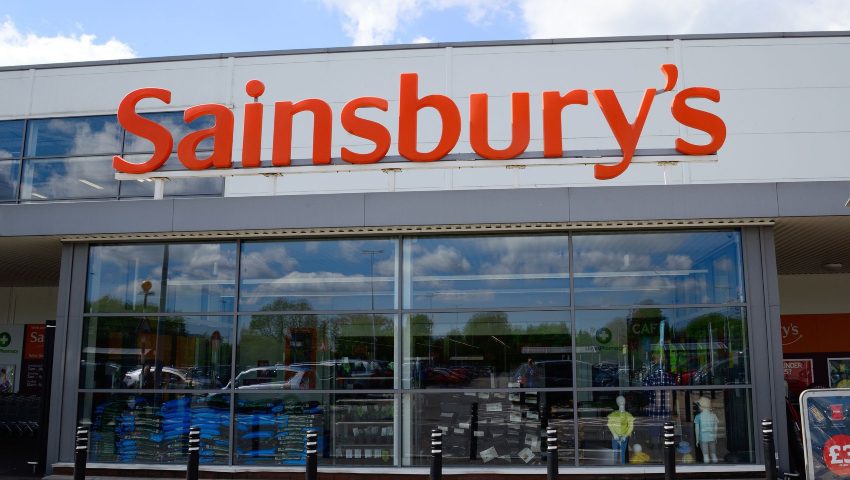
How Many Sainsbury’s Stores Are There in the UK (2026)?
As of December 2025, Sainsbury’s operates approximately 1,490 stores across the UK.
The split matters:
- England: ~1,340 stores (around 90%)
- Scotland: ~106 stores
- Wales: ~30 stores
- Northern Ireland: ~12 stores
London alone has over 300 Sainsbury’s locations, mostly smaller convenience formats.
The quiet strategy shift? Fewer giant hypermarkets. More local, walk‑in stores designed for top‑up shops and same‑day meals.
How to Find Your Nearest Sainsbury’s Store
The fastest way is still the official store locator:
https://stores.sainsburys.co.uk
Enter your postcode and you’ll see:
- Exact opening hours (many Local stores close at 11pm or midnight)
- Whether fuel, Argos, café, bakery or pharmacy are available
- In‑store services like Amazon lockers, EV charging or Starbucks
What You Can Actually Buy at Sainsbury’s (2026 Reality)
A) Supermarkets & Local Stores
Most full‑size supermarkets include:
- Staffed and self‑service checkouts
- Fresh food counters (bakery, meat, fish)
- Frozen and world foods aisles
- Tu Clothing (in larger stores)
- Argos collection points
Selected locations also feature Starbucks, pharmacies, dental clinics, and children’s learning centres.
B) Sainsbury’s Fuel
Fuel stations are attached to many supermarkets, typically priced competitively with Tesco and Asda. Expect unleaded and diesel, with Nectar points earned per litre.
C) What Happened to Sainsbury’s Bank?
This surprises many shoppers.
Sainsbury’s no longer operates a full retail bank.
In May 2025, Sainsbury’s transferred its core banking products (credit cards, loans, savings and ISAs) to NatWest. Insurance, travel money and ATMs remain branded in‑store, but Sainsbury’s exited day‑to‑day banking to refocus on retail.
Sainsbury’s Online Shopping & Delivery Costs (2026)
Online grocery shopping is now one of Sainsbury’s strongest channels.
Key delivery facts:
- Minimum order: £25
- Orders under £40: £7 delivery
- Orders over £40: £1 – £5.50 depending on slot
- Delivery slots: 1‑hour standard or cheaper 4‑hour Saver slots
Delivery Pass options:
- Anytime Pass: £80/year (free deliveries when you spend £40+)
- Midweek Pass (Tue–Thu): £40/year
To start:
- Visit sainsburys.co.uk
- Enter your postcode
- Choose a delivery slot
- Shop online
Sales, Offers & How Nectar Really Works
Sainsbury’s pricing power in 2026 comes from one thing: Nectar.
Most discounts are now Nectar‑only. Scan your card or app and prices drop instantly.
You’ll find:
- Weekly price drops
- Personalised offers in the app
- Seasonal sales across food and Tu clothing
Browse current offers here: sainsburys.co.uk/offers
Sainsbury’s UK Customer Service (2026 Contacts)
In‑store purchases: 0800 636 262
Online orders & delivery: 0800 328 1700
You can also speak directly to staff in‑store or use the official contact form at help.sainsburys.co.uk. Most online enquiries receive a response within 72 hours.
The Real Takeaway
Sainsbury’s isn’t trying to be the cheapest supermarket.
It’s trying to be the smartest.
Fewer distractions. No traditional bank. Heavy investment in convenience, data and online delivery.
If you still shop there the same way you did five years ago, you’re missing how the game changed.
And that’s the part most people never notice.