Taxi Apps in the UK (2026): What Still Works, What’s Gone, and How to Pay Less
The UK taxi app landscape has fractured—and Uber is no longer the obvious default. Prices swing wildly, features vanish overnight, and yesterday’s “cheapest” option can be today’s worst deal.
In 2026, getting a smart ride means knowing which apps still deliver, which ones quietly faded, and how to dodge surge pricing without the hassle. Here’s what actually works now.
That assumption used to be safe.
In 2026, it’s quietly wrong — and it’s costing people time, money, and reliability every single week.
Some apps you remember have left the UK entirely. Others now work in ways most riders don’t notice until surge pricing hits, or no cars appear. And a few have become strategic tools if you know when (and why) to use them.
This isn’t a list.
It’s a 2026 survival guide to taxi apps in the UK — what still matters, what’s changed, and how to make the system work for you instead of against you.
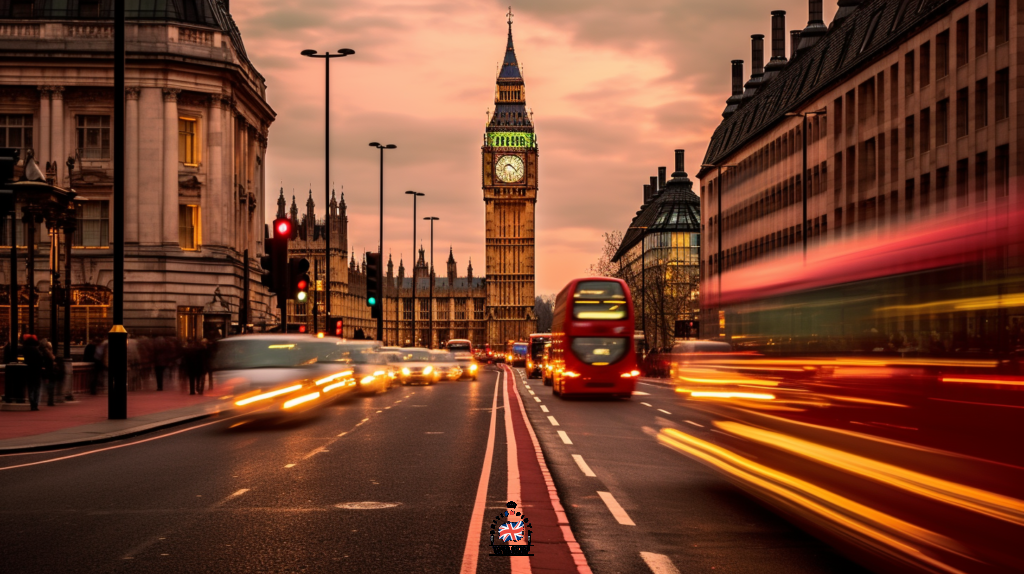
Taxi Apps in the UK: The Real 2026 Landscape 🚖
The UK taxi app market has shrunk, consolidated, and hardened.
Regulation is tighter. Costs are higher. Driver supply is thinner — especially outside London and major cities.
The result?
Having the right app for the right situation matters more than ever.
Why Taxi Apps Still Matter (Despite the Complaints)
Even with rising fares, taxi apps remain essential because they solve problems traditional transport still can’t:
- Late-night travel when buses stop (many routes end around 11:30pm)
- Door-to-door access for luggage, kids, or mobility needs
- Cashless payment (now mandatory for London black cabs)
- Live tracking and trip sharing for safety
But the biggest change in 2026?
Not all apps are trying to do the same job anymore.
The Giants (That Actually Still Operate)
Uber: The Default, Not the Cheapest
Uber remains active across the UK in 2026, operating under strict local authority licensing.
Typical costs (London, off-peak):
- Short city trip (2–3 miles): £9–£14
- Airport transfer (Zone 2 to Heathrow): £35–£55
Surge pricing remains the real risk. At busy times, fares can double within minutes.
The European Challenger That Gained Ground
Bolt: Where Prices Are Still Negotiable
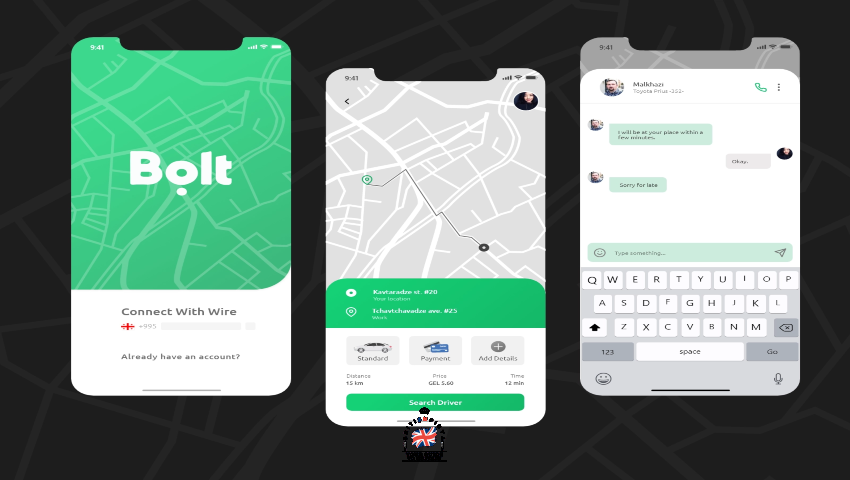
Bolt has quietly expanded across the UK and now operates in London, Birmingham, Manchester, Bristol, Edinburgh, Cardiff, and more.
What makes Bolt different in 2026 is Bolt Flex — a pricing model trialled in multiple UK cities where drivers can bid on fares.
Translation for passengers?
At peak times, Bolt can still be cheaper than Uber — but availability varies by city.
The Black Cab Apps (Still Underrated)
FREE NOW: Black Cabs, App Convenience
FREE NOW connects passengers directly with licensed black cabs.
In London, fares follow Transport for London tariffs (metered, not surge-based). All black cabs accept contactless cards.
This matters in 2026 because when ride-hailing prices spike, black cabs often become the predictable option.

Gett: Business Travel’s Quiet Favourite
Gett focuses on reliability and fixed pricing, particularly for corporate users.
If your employer pays — or punctuality matters more than price — Gett still fills a real niche.
The Apps That Are Gone (And Why That Matters)
Lyft does not operate ride-hailing services in the UK. Its presence is indirect, through the 2025 acquisition of FREE NOW.
Ola exited the UK market in April 2024, ending all ride-hailing operations.
This consolidation means fewer choices — and more importance placed on understanding the ones that remain.
So What Should You Actually Do in 2026?
Here’s the practical rule most frequent travellers now follow:
- Uber for speed and coverage
- Bolt to check before accepting surge prices
- FREE NOW or Gett when you need predictable fares or accessibility
Three apps. One decision.
Conclusion: The Ride Didn’t Just Change — You Did
You started this thinking taxi apps were interchangeable.
Now you know they’re tools — and tools only work if you choose the right one.
In 2026, the smartest riders aren’t loyal to brands.
They’re loyal to outcomes: lower fares, shorter waits, fewer surprises.
The apps didn’t get simpler.
You just got smarter.