The UK in WW 1…Your Full Guide 2023
World War 1 was the most historical thing that happened in the human history and for the UK itself. It has so many impacts for the UK before and after the war.
In this article, we have made a brief history of the UK in WW1 that can be very helpful for you to get historical information!
About The UK in WW 1
The United Kingdom, which included England, Scotland, Wales, and Northern Ireland, played a significant role in World War I (WWI). The UK was one of the major Allied powers that fought against the Central Powers, which included Germany, Austria-Hungary, and the Ottoman Empire.
The UK declared war on Germany on August 4, 1914, after Germany invaded Belgium, which was a neutral country. The UK’s decision to enter the war was influenced by several factors, including its alliance with France, its desire to protect Belgian neutrality, and its concern about the potential threat posed by a victorious Germany.
The Role of the UK in WW1
Throughout the war, the UK made significant contributions to the Allied efforts. The British Army fought on the Western Front, in Italy, and in the Middle East, and it played a key role in the naval blockade of Germany.
The UK had a large and well-trained army, but it was relatively small compared to the armies of some of the other major powers. To meet the demands of the war, the UK implemented conscription and expanded its military forces through the creation of volunteer units such as the Kitchener’s Army.
The British Army was involved in some of the major battles of the war, including the Battle of the Marne, the Battle of the Somme, and the Battle of Passchendaele. The UK also contributed troops to the Italian front and to the campaign against the Ottoman Empire in the Middle East.
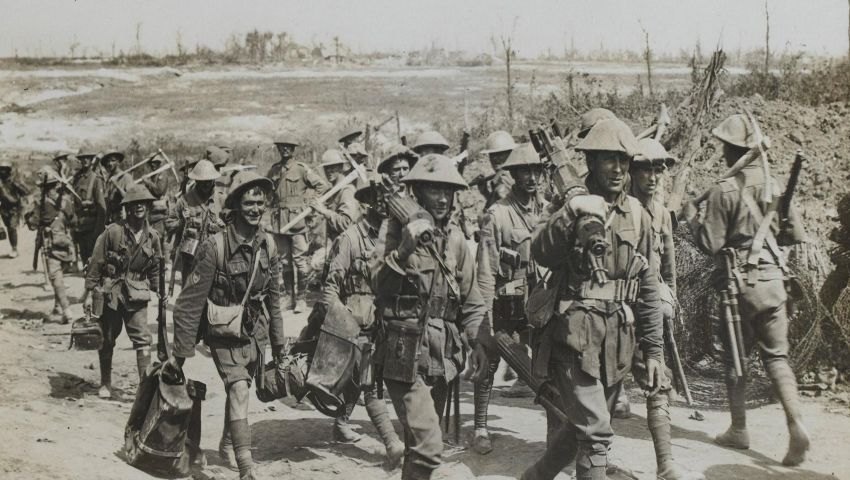
The Strategy and the Contribution of the UK in WW 1
In addition to the British Army, the UK also relied on its navy to play a crucial role in the war. The Royal Navy was responsible for protecting British and Allied shipping from German submarines, and it played a key role in the naval blockade of Germany. The Royal Navy was also involved in a number of major naval battles, including the Battle of Jutland.
The UK made significant contributions to the Allied war effort through its industrial and economic strength. The country produced a large number of weapons and other supplies for the Allies, and it provided financial and material support to the other Allied powers.
During the War
At that time, the UK was led by Prime Minister Herbert Henry Asquith and Foreign Secretary Edward Grey during the early years of the war. In 1916, Asquith was replaced by David Lloyd George, who would lead the UK for the remainder of the conflict.
Moreover, the UK was also part of the Triple Entente, a group of allied powers that also included France and Russia. The UK had a long-standing alliance with France and a more recent alliance with Russia, which had been formed in 1907.
The UK was initially hesitant to become involved in the war, and it tried to mediate a peaceful settlement between the conflicting powers. However, after Germany invaded Belgium, the UK felt it had no choice but to declare war.
During the war period, the UK’s biggest role was significant including giving contributions to the Allied war effort in a number of areas. It provided troops, weapons, and other supplies to the Allies, and it supported the naval blockade of Germany. The UK also provided financial and material support to the other Allied powers.
The UK’s Navy was concerned about the potential threat posed by a victorious Germany, which could have disrupted the balance of power in Europe, that’s why they hold the most valuable role in the war.
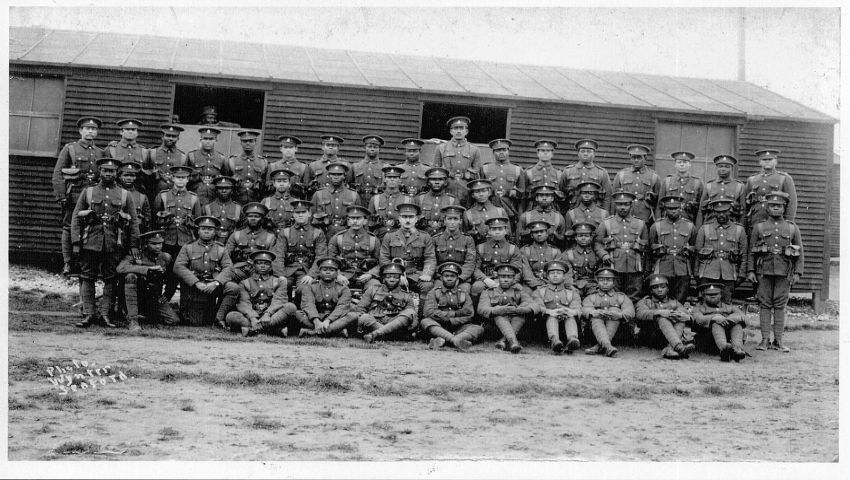
They also mobilized over 8 million soldiers during the course of the war, with many of them coming from the British Empire and its colonies. The British Army included soldiers from a wide range of backgrounds and nationalities, including India, Australia, Canada, and New Zealand.
The UK faced significant challenges on the battlefield, including the use of new and deadly weapons such as poison gas, machine guns, and tanks. The British Army also had to contend with the formidable German military, which was well-trained and equipped.
Even though the UK suffered heavy losses during the war, with more than 9 million soldiers and civilians killed or wounded. The conflict had a significant impact on the country and its people, and it contributed to significant social and political changes in the years that followed.
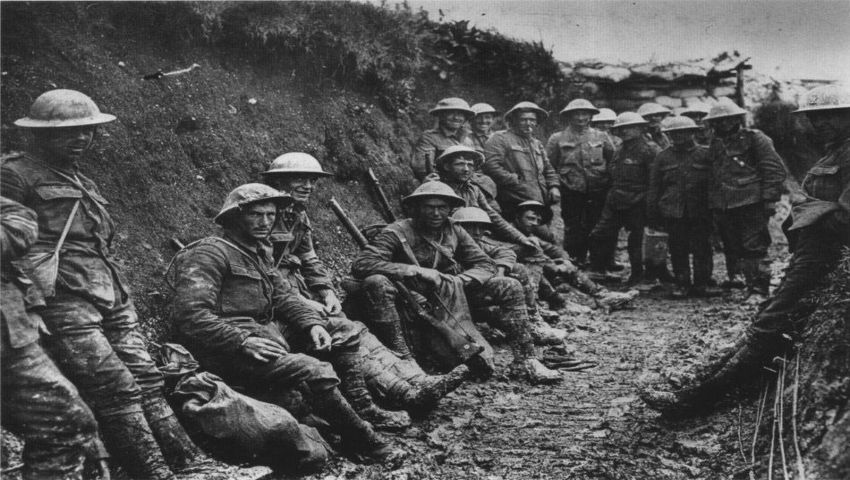
After the War
The UK played a significant role in the negotiations that led to the end of the war and the signing of the Treaty of Versailles. It was also a part of the League of Nations, which came before the United Nations and was set up after the war to help keep wars from happening again. The UK experienced significant economic and social changes as a result of the war.
The UK’s involvement in WWI had a significant impact on its economy and society. The war caused taxes and government borrowing to go up by a lot, and it also caused inflation and shortages of food and other things that people need. The war also helped the movement to give women the right to vote and the growth of the Labour Party.

The UK Post-war Condition
The UK’s involvement in World War I changed international relations and the balance of power in Europe in ways that will last for a long time. It played a key role in the defeat of the Central Powers and the reshaping of the world in the years that followed.
Overall, the UK played a significant role in WWI and made significant contributions to the Allied efforts. Its participation in the war had a significant impact on the outcome of the conflict and helped shape the world in the years that followed.
The Industrial Revolution in The UK…Your Full Guide 2023!
Click the link above to learn more about history with us for free!