Best Neighbourhoods to Stay in London (2026 Guide)
Covent Garden is London turned up to full volume.
Street performers, West End theatres, and late‑night dining collide in a compact area. Theatre tickets range from £25 to £150+, depending on show and seat.
You won’t escape the crowds—but you won’t forget the energy either.
Best for: Theatre lovers and short, high‑impact visits.
The real secret? The best neighbourhood in London isn’t the one everyone recommends. It’s the one that matches the version of London you didn’t realise you were hoping to meet.
Knightsbridge is spectacle.
Harrods (open 10:00–21:00, Sunday 11:30–18:00) anchors the area, with Hyde Park on one side and embassies on the other. Prices reflect the postcode.
Best for: Luxury stays, shopping‑focused trips, and once‑in‑a‑lifetime splurges.

Covent Garden
Covent Garden is London turned up to full volume.
Street performers, West End theatres, and late‑night dining collide in a compact area. Theatre tickets range from £25 to £150+, depending on show and seat.
You won’t escape the crowds—but you won’t forget the energy either.
Best for: Theatre lovers and short, high‑impact visits.
The real secret? The best neighbourhood in London isn’t the one everyone recommends. It’s the one that matches the version of London you didn’t realise you were hoping to meet.
Little Venice is where London exhales.
Canal boats, waterside cafés, and footpaths replace traffic noise. Warwick Avenue station (Bakerloo Line) is five minutes away, and boat trips to Camden take around 45 minutes.
Best for: Couples, long stays, and anyone avoiding tourist density.

Knightsbridge
Knightsbridge is spectacle.
Harrods (open 10:00–21:00, Sunday 11:30–18:00) anchors the area, with Hyde Park on one side and embassies on the other. Prices reflect the postcode.
Best for: Luxury stays, shopping‑focused trips, and once‑in‑a‑lifetime splurges.
Covent Garden
Covent Garden is London turned up to full volume.
Street performers, West End theatres, and late‑night dining collide in a compact area. Theatre tickets range from £25 to £150+, depending on show and seat.
You won’t escape the crowds—but you won’t forget the energy either.
Best for: Theatre lovers and short, high‑impact visits.
The real secret? The best neighbourhood in London isn’t the one everyone recommends. It’s the one that matches the version of London you didn’t realise you were hoping to meet.
Kensington is London on its best behaviour.
The Natural History Museum, Science Museum, and Victoria and Albert Museum all offer free entry and sit within a five‑minute walk of each other. Hyde Park is next door; South Kensington station connects three Tube lines.
Best for: Museum lovers, families, and travellers who value calm over edge.

Little Venice
Little Venice is where London exhales.
Canal boats, waterside cafés, and footpaths replace traffic noise. Warwick Avenue station (Bakerloo Line) is five minutes away, and boat trips to Camden take around 45 minutes.
Best for: Couples, long stays, and anyone avoiding tourist density.
Knightsbridge
Knightsbridge is spectacle.
Harrods (open 10:00–21:00, Sunday 11:30–18:00) anchors the area, with Hyde Park on one side and embassies on the other. Prices reflect the postcode.
Best for: Luxury stays, shopping‑focused trips, and once‑in‑a‑lifetime splurges.
Covent Garden
Covent Garden is London turned up to full volume.
Street performers, West End theatres, and late‑night dining collide in a compact area. Theatre tickets range from £25 to £150+, depending on show and seat.
You won’t escape the crowds—but you won’t forget the energy either.
Best for: Theatre lovers and short, high‑impact visits.
The real secret? The best neighbourhood in London isn’t the one everyone recommends. It’s the one that matches the version of London you didn’t realise you were hoping to meet.
Hampstead feels like a village that accidentally became part of London.
Hampstead Heath offers one of the city’s highest viewpoints—free, open 24 hours—and wild swimming ponds (£4.50 per session, seasonal hours). The Northern Line connects you to the West End in about 15 minutes.
Best for: Repeat visitors, writers, walkers, and anyone craving green space.
Kensington
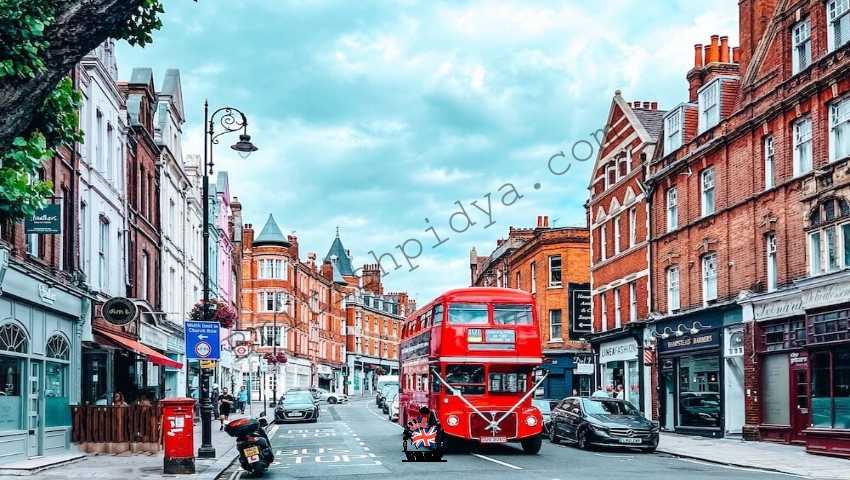
Kensington is London on its best behaviour.
The Natural History Museum, Science Museum, and Victoria and Albert Museum all offer free entry and sit within a five‑minute walk of each other. Hyde Park is next door; South Kensington station connects three Tube lines.
Best for: Museum lovers, families, and travellers who value calm over edge.
Little Venice
Little Venice is where London exhales.
Canal boats, waterside cafés, and footpaths replace traffic noise. Warwick Avenue station (Bakerloo Line) is five minutes away, and boat trips to Camden take around 45 minutes.
Best for: Couples, long stays, and anyone avoiding tourist density.
Knightsbridge
Knightsbridge is spectacle.
Harrods (open 10:00–21:00, Sunday 11:30–18:00) anchors the area, with Hyde Park on one side and embassies on the other. Prices reflect the postcode.
Best for: Luxury stays, shopping‑focused trips, and once‑in‑a‑lifetime splurges.
Covent Garden
Covent Garden is London turned up to full volume.
Street performers, West End theatres, and late‑night dining collide in a compact area. Theatre tickets range from £25 to £150+, depending on show and seat.
You won’t escape the crowds—but you won’t forget the energy either.
Best for: Theatre lovers and short, high‑impact visits.
The real secret? The best neighbourhood in London isn’t the one everyone recommends. It’s the one that matches the version of London you didn’t realise you were hoping to meet.
If London had a public living room, this would be it.
The South Bank runs from Westminster Bridge to Tower Bridge, lined with the National Theatre, BFI Southbank, Tate Modern, and the London Eye (£32 adult standard ticket in 2026).
You’re walking distance from Waterloo Station, one of the city’s biggest transport hubs, and most attractions here stay active well into the evening.
Best for: Short stays, culture‑heavy itineraries, and visitors who want zero logistics.
Hampstead
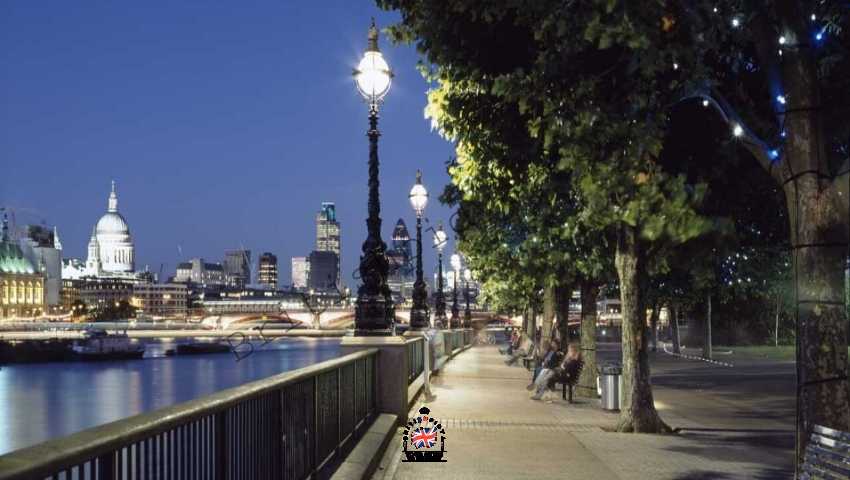
Hampstead feels like a village that accidentally became part of London.
Hampstead Heath offers one of the city’s highest viewpoints—free, open 24 hours—and wild swimming ponds (£4.50 per session, seasonal hours). The Northern Line connects you to the West End in about 15 minutes.
Best for: Repeat visitors, writers, walkers, and anyone craving green space.
Kensington
Kensington is London on its best behaviour.
The Natural History Museum, Science Museum, and Victoria and Albert Museum all offer free entry and sit within a five‑minute walk of each other. Hyde Park is next door; South Kensington station connects three Tube lines.
Best for: Museum lovers, families, and travellers who value calm over edge.
Little Venice
Little Venice is where London exhales.
Canal boats, waterside cafés, and footpaths replace traffic noise. Warwick Avenue station (Bakerloo Line) is five minutes away, and boat trips to Camden take around 45 minutes.
Best for: Couples, long stays, and anyone avoiding tourist density.
Knightsbridge
Knightsbridge is spectacle.
Harrods (open 10:00–21:00, Sunday 11:30–18:00) anchors the area, with Hyde Park on one side and embassies on the other. Prices reflect the postcode.
Best for: Luxury stays, shopping‑focused trips, and once‑in‑a‑lifetime splurges.
Covent Garden
Covent Garden is London turned up to full volume.
Street performers, West End theatres, and late‑night dining collide in a compact area. Theatre tickets range from £25 to £150+, depending on show and seat.
You won’t escape the crowds—but you won’t forget the energy either.
Best for: Theatre lovers and short, high‑impact visits.
The real secret? The best neighbourhood in London isn’t the one everyone recommends. It’s the one that matches the version of London you didn’t realise you were hoping to meet.
Shoreditch is where London experiments on itself.
By day, it’s coffee roasters, concept stores, and Boxpark. By night, Brick Lane bars stay open until 02:00 or later on weekends. Liverpool Street Station is a 10‑minute walk, making airport transfers via the Elizabeth line unusually painless.
It’s not polished—but that’s the appeal.
Best for: Trend‑hunters, creatives, and travellers who prioritise nightlife over sleep.
South Bank
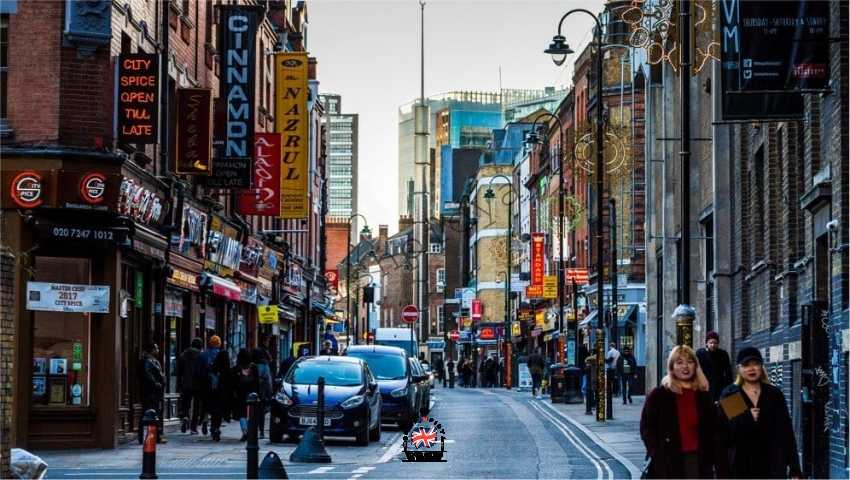
If London had a public living room, this would be it.
The South Bank runs from Westminster Bridge to Tower Bridge, lined with the National Theatre, BFI Southbank, Tate Modern, and the London Eye (£32 adult standard ticket in 2026).
You’re walking distance from Waterloo Station, one of the city’s biggest transport hubs, and most attractions here stay active well into the evening.
Best for: Short stays, culture‑heavy itineraries, and visitors who want zero logistics.
Hampstead
Hampstead feels like a village that accidentally became part of London.
Hampstead Heath offers one of the city’s highest viewpoints—free, open 24 hours—and wild swimming ponds (£4.50 per session, seasonal hours). The Northern Line connects you to the West End in about 15 minutes.
Best for: Repeat visitors, writers, walkers, and anyone craving green space.
Kensington
Kensington is London on its best behaviour.
The Natural History Museum, Science Museum, and Victoria and Albert Museum all offer free entry and sit within a five‑minute walk of each other. Hyde Park is next door; South Kensington station connects three Tube lines.
Best for: Museum lovers, families, and travellers who value calm over edge.
Little Venice
Little Venice is where London exhales.
Canal boats, waterside cafés, and footpaths replace traffic noise. Warwick Avenue station (Bakerloo Line) is five minutes away, and boat trips to Camden take around 45 minutes.
Best for: Couples, long stays, and anyone avoiding tourist density.
Knightsbridge
Knightsbridge is spectacle.
Harrods (open 10:00–21:00, Sunday 11:30–18:00) anchors the area, with Hyde Park on one side and embassies on the other. Prices reflect the postcode.
Best for: Luxury stays, shopping‑focused trips, and once‑in‑a‑lifetime splurges.
Covent Garden
Covent Garden is London turned up to full volume.
Street performers, West End theatres, and late‑night dining collide in a compact area. Theatre tickets range from £25 to £150+, depending on show and seat.
You won’t escape the crowds—but you won’t forget the energy either.
Best for: Theatre lovers and short, high‑impact visits.
The real secret? The best neighbourhood in London isn’t the one everyone recommends. It’s the one that matches the version of London you didn’t realise you were hoping to meet.
Camden is loud, layered, and unapologetically itself.
Camden Market is open daily, but Sundays are peak chaos. Expect street food stalls serving global dishes for £8–£12, live music spilling into the street, and crowds from late morning onwards.
Despite the edge, Camden is practical: Northern Line access, late‑night food, and Regent’s Canal walks that lead quietly to Little Venice.
Best for: Night owls, solo travellers, and anyone who wants London to feel alive after dark.
Shoreditch
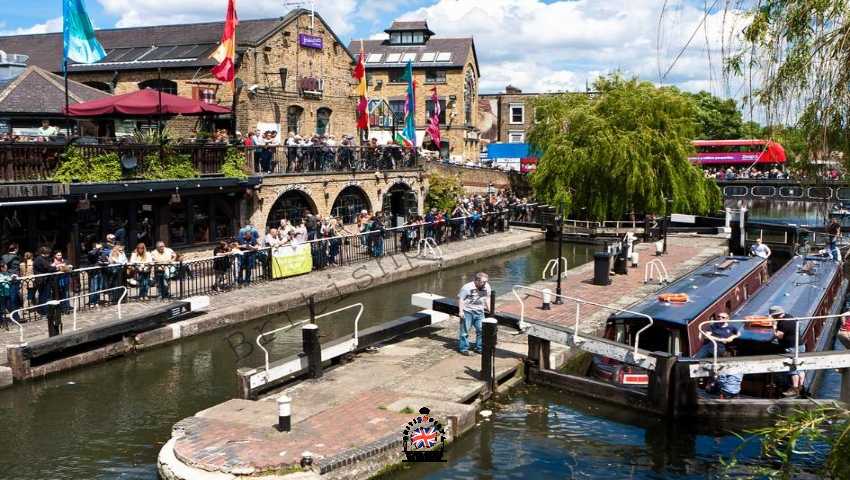
Shoreditch is where London experiments on itself.
By day, it’s coffee roasters, concept stores, and Boxpark. By night, Brick Lane bars stay open until 02:00 or later on weekends. Liverpool Street Station is a 10‑minute walk, making airport transfers via the Elizabeth line unusually painless.
It’s not polished—but that’s the appeal.
Best for: Trend‑hunters, creatives, and travellers who prioritise nightlife over sleep.
South Bank
If London had a public living room, this would be it.
The South Bank runs from Westminster Bridge to Tower Bridge, lined with the National Theatre, BFI Southbank, Tate Modern, and the London Eye (£32 adult standard ticket in 2026).
You’re walking distance from Waterloo Station, one of the city’s biggest transport hubs, and most attractions here stay active well into the evening.
Best for: Short stays, culture‑heavy itineraries, and visitors who want zero logistics.
Hampstead
Hampstead feels like a village that accidentally became part of London.
Hampstead Heath offers one of the city’s highest viewpoints—free, open 24 hours—and wild swimming ponds (£4.50 per session, seasonal hours). The Northern Line connects you to the West End in about 15 minutes.
Best for: Repeat visitors, writers, walkers, and anyone craving green space.
Kensington
Kensington is London on its best behaviour.
The Natural History Museum, Science Museum, and Victoria and Albert Museum all offer free entry and sit within a five‑minute walk of each other. Hyde Park is next door; South Kensington station connects three Tube lines.
Best for: Museum lovers, families, and travellers who value calm over edge.
Little Venice
Little Venice is where London exhales.
Canal boats, waterside cafés, and footpaths replace traffic noise. Warwick Avenue station (Bakerloo Line) is five minutes away, and boat trips to Camden take around 45 minutes.
Best for: Couples, long stays, and anyone avoiding tourist density.
Knightsbridge
Knightsbridge is spectacle.
Harrods (open 10:00–21:00, Sunday 11:30–18:00) anchors the area, with Hyde Park on one side and embassies on the other. Prices reflect the postcode.
Best for: Luxury stays, shopping‑focused trips, and once‑in‑a‑lifetime splurges.
Covent Garden
Covent Garden is London turned up to full volume.
Street performers, West End theatres, and late‑night dining collide in a compact area. Theatre tickets range from £25 to £150+, depending on show and seat.
You won’t escape the crowds—but you won’t forget the energy either.
Best for: Theatre lovers and short, high‑impact visits.
The real secret? The best neighbourhood in London isn’t the one everyone recommends. It’s the one that matches the version of London you didn’t realise you were hoping to meet.
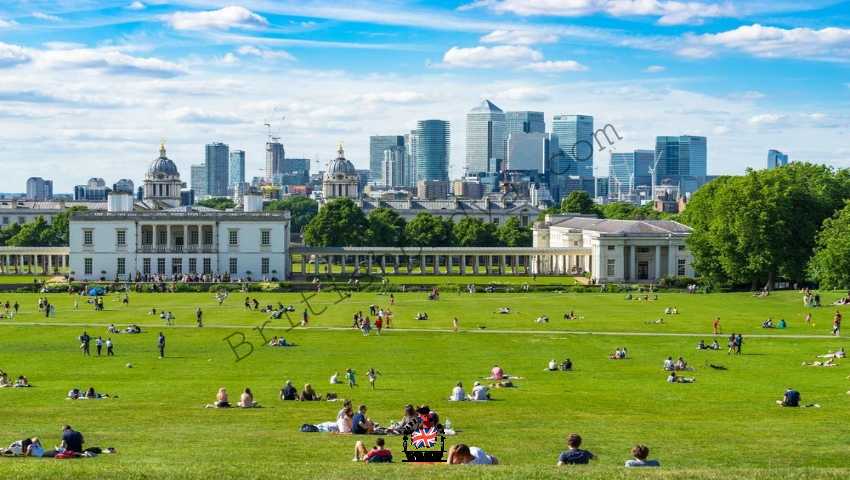
Greenwich doesn’t feel like London—and that’s the point.
Located in southeast London, it’s connected by DLR, National Rail, and the Thames Clippers river bus. From Greenwich station to London Bridge takes about 10 minutes; a river boat to Westminster takes roughly 35 minutes and costs around £10–£14 depending on time.
You can stand on the Prime Meridian at the Royal Observatory (adult ticket £20, open 10:00–17:00) and walk through one of London’s best parks before lunch.
Best for: Slower travel days, families, history lovers, and anyone who hates crowds.
Camden
Camden is loud, layered, and unapologetically itself.
Camden Market is open daily, but Sundays are peak chaos. Expect street food stalls serving global dishes for £8–£12, live music spilling into the street, and crowds from late morning onwards.
Despite the edge, Camden is practical: Northern Line access, late‑night food, and Regent’s Canal walks that lead quietly to Little Venice.
Best for: Night owls, solo travellers, and anyone who wants London to feel alive after dark.
Shoreditch
Shoreditch is where London experiments on itself.
By day, it’s coffee roasters, concept stores, and Boxpark. By night, Brick Lane bars stay open until 02:00 or later on weekends. Liverpool Street Station is a 10‑minute walk, making airport transfers via the Elizabeth line unusually painless.
It’s not polished—but that’s the appeal.
Best for: Trend‑hunters, creatives, and travellers who prioritise nightlife over sleep.
South Bank
If London had a public living room, this would be it.
The South Bank runs from Westminster Bridge to Tower Bridge, lined with the National Theatre, BFI Southbank, Tate Modern, and the London Eye (£32 adult standard ticket in 2026).
You’re walking distance from Waterloo Station, one of the city’s biggest transport hubs, and most attractions here stay active well into the evening.
Best for: Short stays, culture‑heavy itineraries, and visitors who want zero logistics.
Hampstead
Hampstead feels like a village that accidentally became part of London.
Hampstead Heath offers one of the city’s highest viewpoints—free, open 24 hours—and wild swimming ponds (£4.50 per session, seasonal hours). The Northern Line connects you to the West End in about 15 minutes.
Best for: Repeat visitors, writers, walkers, and anyone craving green space.
Kensington
Kensington is London on its best behaviour.
The Natural History Museum, Science Museum, and Victoria and Albert Museum all offer free entry and sit within a five‑minute walk of each other. Hyde Park is next door; South Kensington station connects three Tube lines.
Best for: Museum lovers, families, and travellers who value calm over edge.
Little Venice
Little Venice is where London exhales.
Canal boats, waterside cafés, and footpaths replace traffic noise. Warwick Avenue station (Bakerloo Line) is five minutes away, and boat trips to Camden take around 45 minutes.
Best for: Couples, long stays, and anyone avoiding tourist density.
Knightsbridge
Knightsbridge is spectacle.
Harrods (open 10:00–21:00, Sunday 11:30–18:00) anchors the area, with Hyde Park on one side and embassies on the other. Prices reflect the postcode.
Best for: Luxury stays, shopping‑focused trips, and once‑in‑a‑lifetime splurges.
Covent Garden
Covent Garden is London turned up to full volume.
Street performers, West End theatres, and late‑night dining collide in a compact area. Theatre tickets range from £25 to £150+, depending on show and seat.
You won’t escape the crowds—but you won’t forget the energy either.
Best for: Theatre lovers and short, high‑impact visits.
The real secret? The best neighbourhood in London isn’t the one everyone recommends. It’s the one that matches the version of London you didn’t realise you were hoping to meet.
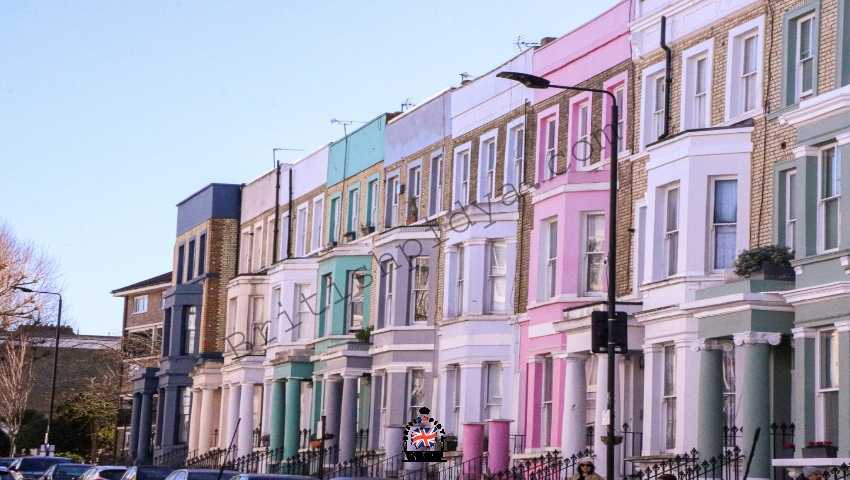
Notting Hill feels cinematic because it genuinely is. Wide streets, pastel townhouses, and cafés that don’t rush you out the door.
Portobello Road Market runs daily, with the full antiques market on Saturdays from 08:00–17:00. On August Bank Holiday weekend 2026 (Saturday 29 – Monday 31 August), the area hosts Notting Hill Carnival, Europe’s largest street festival, drawing over one million people. Accommodation prices double—sometimes triple—during these dates.
Best for: First‑time visitors who want beauty, walkability, and easy Central Line access.
Greenwich
Greenwich doesn’t feel like London—and that’s the point.
Located in southeast London, it’s connected by DLR, National Rail, and the Thames Clippers river bus. From Greenwich station to London Bridge takes about 10 minutes; a river boat to Westminster takes roughly 35 minutes and costs around £10–£14 depending on time.
You can stand on the Prime Meridian at the Royal Observatory (adult ticket £20, open 10:00–17:00) and walk through one of London’s best parks before lunch.
Best for: Slower travel days, families, history lovers, and anyone who hates crowds.
Camden
Camden is loud, layered, and unapologetically itself.
Camden Market is open daily, but Sundays are peak chaos. Expect street food stalls serving global dishes for £8–£12, live music spilling into the street, and crowds from late morning onwards.
Despite the edge, Camden is practical: Northern Line access, late‑night food, and Regent’s Canal walks that lead quietly to Little Venice.
Best for: Night owls, solo travellers, and anyone who wants London to feel alive after dark.
Shoreditch
Shoreditch is where London experiments on itself.
By day, it’s coffee roasters, concept stores, and Boxpark. By night, Brick Lane bars stay open until 02:00 or later on weekends. Liverpool Street Station is a 10‑minute walk, making airport transfers via the Elizabeth line unusually painless.
It’s not polished—but that’s the appeal.
Best for: Trend‑hunters, creatives, and travellers who prioritise nightlife over sleep.
South Bank
If London had a public living room, this would be it.
The South Bank runs from Westminster Bridge to Tower Bridge, lined with the National Theatre, BFI Southbank, Tate Modern, and the London Eye (£32 adult standard ticket in 2026).
You’re walking distance from Waterloo Station, one of the city’s biggest transport hubs, and most attractions here stay active well into the evening.
Best for: Short stays, culture‑heavy itineraries, and visitors who want zero logistics.
Hampstead
Hampstead feels like a village that accidentally became part of London.
Hampstead Heath offers one of the city’s highest viewpoints—free, open 24 hours—and wild swimming ponds (£4.50 per session, seasonal hours). The Northern Line connects you to the West End in about 15 minutes.
Best for: Repeat visitors, writers, walkers, and anyone craving green space.
Kensington
Kensington is London on its best behaviour.
The Natural History Museum, Science Museum, and Victoria and Albert Museum all offer free entry and sit within a five‑minute walk of each other. Hyde Park is next door; South Kensington station connects three Tube lines.
Best for: Museum lovers, families, and travellers who value calm over edge.
Little Venice
Little Venice is where London exhales.
Canal boats, waterside cafés, and footpaths replace traffic noise. Warwick Avenue station (Bakerloo Line) is five minutes away, and boat trips to Camden take around 45 minutes.
Best for: Couples, long stays, and anyone avoiding tourist density.
Knightsbridge
Knightsbridge is spectacle.
Harrods (open 10:00–21:00, Sunday 11:30–18:00) anchors the area, with Hyde Park on one side and embassies on the other. Prices reflect the postcode.
Best for: Luxury stays, shopping‑focused trips, and once‑in‑a‑lifetime splurges.
Covent Garden
Covent Garden is London turned up to full volume.
Street performers, West End theatres, and late‑night dining collide in a compact area. Theatre tickets range from £25 to £150+, depending on show and seat.
You won’t escape the crowds—but you won’t forget the energy either.
Best for: Theatre lovers and short, high‑impact visits.
The real secret? The best neighbourhood in London isn’t the one everyone recommends. It’s the one that matches the version of London you didn’t realise you were hoping to meet.
Here’s the overlooked truth: London isn’t one city. It’s dozens of self‑contained villages stitched together by the Tube.
In 2026, a daily Zone 1–2 travel cap is £8.90 using contactless or Oyster, calculated between 04:30 and 04:29 the next day. Buses cost £1.75 per journey with unlimited changes within one hour. That means your neighbourhood choice affects how often you walk, not whether you get stuck.
So instead of asking “Is this central?”, ask: “Will I enjoy coming back here every night?”
Notting Hill
Notting Hill feels cinematic because it genuinely is. Wide streets, pastel townhouses, and cafés that don’t rush you out the door.
Portobello Road Market runs daily, with the full antiques market on Saturdays from 08:00–17:00. On August Bank Holiday weekend 2026 (Saturday 29 – Monday 31 August), the area hosts Notting Hill Carnival, Europe’s largest street festival, drawing over one million people. Accommodation prices double—sometimes triple—during these dates.
Best for: First‑time visitors who want beauty, walkability, and easy Central Line access.
Greenwich
Greenwich doesn’t feel like London—and that’s the point.
Located in southeast London, it’s connected by DLR, National Rail, and the Thames Clippers river bus. From Greenwich station to London Bridge takes about 10 minutes; a river boat to Westminster takes roughly 35 minutes and costs around £10–£14 depending on time.
You can stand on the Prime Meridian at the Royal Observatory (adult ticket £20, open 10:00–17:00) and walk through one of London’s best parks before lunch.
Best for: Slower travel days, families, history lovers, and anyone who hates crowds.
Camden
Camden is loud, layered, and unapologetically itself.
Camden Market is open daily, but Sundays are peak chaos. Expect street food stalls serving global dishes for £8–£12, live music spilling into the street, and crowds from late morning onwards.
Despite the edge, Camden is practical: Northern Line access, late‑night food, and Regent’s Canal walks that lead quietly to Little Venice.
Best for: Night owls, solo travellers, and anyone who wants London to feel alive after dark.
Shoreditch
Shoreditch is where London experiments on itself.
By day, it’s coffee roasters, concept stores, and Boxpark. By night, Brick Lane bars stay open until 02:00 or later on weekends. Liverpool Street Station is a 10‑minute walk, making airport transfers via the Elizabeth line unusually painless.
It’s not polished—but that’s the appeal.
Best for: Trend‑hunters, creatives, and travellers who prioritise nightlife over sleep.
South Bank
If London had a public living room, this would be it.
The South Bank runs from Westminster Bridge to Tower Bridge, lined with the National Theatre, BFI Southbank, Tate Modern, and the London Eye (£32 adult standard ticket in 2026).
You’re walking distance from Waterloo Station, one of the city’s biggest transport hubs, and most attractions here stay active well into the evening.
Best for: Short stays, culture‑heavy itineraries, and visitors who want zero logistics.
Hampstead
Hampstead feels like a village that accidentally became part of London.
Hampstead Heath offers one of the city’s highest viewpoints—free, open 24 hours—and wild swimming ponds (£4.50 per session, seasonal hours). The Northern Line connects you to the West End in about 15 minutes.
Best for: Repeat visitors, writers, walkers, and anyone craving green space.
Kensington
Kensington is London on its best behaviour.
The Natural History Museum, Science Museum, and Victoria and Albert Museum all offer free entry and sit within a five‑minute walk of each other. Hyde Park is next door; South Kensington station connects three Tube lines.
Best for: Museum lovers, families, and travellers who value calm over edge.
Little Venice
Little Venice is where London exhales.
Canal boats, waterside cafés, and footpaths replace traffic noise. Warwick Avenue station (Bakerloo Line) is five minutes away, and boat trips to Camden take around 45 minutes.
Best for: Couples, long stays, and anyone avoiding tourist density.
Knightsbridge
Knightsbridge is spectacle.
Harrods (open 10:00–21:00, Sunday 11:30–18:00) anchors the area, with Hyde Park on one side and embassies on the other. Prices reflect the postcode.
Best for: Luxury stays, shopping‑focused trips, and once‑in‑a‑lifetime splurges.
Covent Garden
Covent Garden is London turned up to full volume.
Street performers, West End theatres, and late‑night dining collide in a compact area. Theatre tickets range from £25 to £150+, depending on show and seat.
You won’t escape the crowds—but you won’t forget the energy either.
Best for: Theatre lovers and short, high‑impact visits.
The real secret? The best neighbourhood in London isn’t the one everyone recommends. It’s the one that matches the version of London you didn’t realise you were hoping to meet.
Choosing where to stay in London isn’t picking a pin on a map—it’s choosing a soundtrack. Some streets hum like a jazz club at dawn; others crash like a late-night gig that never quite ends. Step outside, and the city plays its first note.
In 2026, London moves like a network of villages stitched together by fast rails and tap-and-go freedom. The trick is finding the one that fits your rhythm, budget, and after-dark mood. Here’s how the city’s neighbourhoods actually feel.
fare frozen until at least July 2026, you can stay further out and still move efficiently. But vibe, walkability, and late‑night atmosphere now matter more than raw distance.This guide doesn’t rank neighbourhoods by hype. It matches them to how people actually travel, eat, queue, and collapse at the end of a London day.

Best Neighbourhoods to Stay in London (What No One Explains)
Here’s the overlooked truth: London isn’t one city. It’s dozens of self‑contained villages stitched together by the Tube.
In 2026, a daily Zone 1–2 travel cap is £8.90 using contactless or Oyster, calculated between 04:30 and 04:29 the next day. Buses cost £1.75 per journey with unlimited changes within one hour. That means your neighbourhood choice affects how often you walk, not whether you get stuck.
So instead of asking “Is this central?”, ask: “Will I enjoy coming back here every night?”
Notting Hill
Notting Hill feels cinematic because it genuinely is. Wide streets, pastel townhouses, and cafés that don’t rush you out the door.
Portobello Road Market runs daily, with the full antiques market on Saturdays from 08:00–17:00. On August Bank Holiday weekend 2026 (Saturday 29 – Monday 31 August), the area hosts Notting Hill Carnival, Europe’s largest street festival, drawing over one million people. Accommodation prices double—sometimes triple—during these dates.
Best for: First‑time visitors who want beauty, walkability, and easy Central Line access.
Greenwich
Greenwich doesn’t feel like London—and that’s the point.
Located in southeast London, it’s connected by DLR, National Rail, and the Thames Clippers river bus. From Greenwich station to London Bridge takes about 10 minutes; a river boat to Westminster takes roughly 35 minutes and costs around £10–£14 depending on time.
You can stand on the Prime Meridian at the Royal Observatory (adult ticket £20, open 10:00–17:00) and walk through one of London’s best parks before lunch.
Best for: Slower travel days, families, history lovers, and anyone who hates crowds.
Camden
Camden is loud, layered, and unapologetically itself.
Camden Market is open daily, but Sundays are peak chaos. Expect street food stalls serving global dishes for £8–£12, live music spilling into the street, and crowds from late morning onwards.
Despite the edge, Camden is practical: Northern Line access, late‑night food, and Regent’s Canal walks that lead quietly to Little Venice.
Best for: Night owls, solo travellers, and anyone who wants London to feel alive after dark.
Shoreditch
Shoreditch is where London experiments on itself.
By day, it’s coffee roasters, concept stores, and Boxpark. By night, Brick Lane bars stay open until 02:00 or later on weekends. Liverpool Street Station is a 10‑minute walk, making airport transfers via the Elizabeth line unusually painless.
It’s not polished—but that’s the appeal.
Best for: Trend‑hunters, creatives, and travellers who prioritise nightlife over sleep.
South Bank
If London had a public living room, this would be it.
The South Bank runs from Westminster Bridge to Tower Bridge, lined with the National Theatre, BFI Southbank, Tate Modern, and the London Eye (£32 adult standard ticket in 2026).
You’re walking distance from Waterloo Station, one of the city’s biggest transport hubs, and most attractions here stay active well into the evening.
Best for: Short stays, culture‑heavy itineraries, and visitors who want zero logistics.
Hampstead
Hampstead feels like a village that accidentally became part of London.
Hampstead Heath offers one of the city’s highest viewpoints—free, open 24 hours—and wild swimming ponds (£4.50 per session, seasonal hours). The Northern Line connects you to the West End in about 15 minutes.
Best for: Repeat visitors, writers, walkers, and anyone craving green space.
Kensington
Kensington is London on its best behaviour.
The Natural History Museum, Science Museum, and Victoria and Albert Museum all offer free entry and sit within a five‑minute walk of each other. Hyde Park is next door; South Kensington station connects three Tube lines.
Best for: Museum lovers, families, and travellers who value calm over edge.
Little Venice
Little Venice is where London exhales.
Canal boats, waterside cafés, and footpaths replace traffic noise. Warwick Avenue station (Bakerloo Line) is five minutes away, and boat trips to Camden take around 45 minutes.
Best for: Couples, long stays, and anyone avoiding tourist density.
Knightsbridge
Knightsbridge is spectacle.
Harrods (open 10:00–21:00, Sunday 11:30–18:00) anchors the area, with Hyde Park on one side and embassies on the other. Prices reflect the postcode.
Best for: Luxury stays, shopping‑focused trips, and once‑in‑a‑lifetime splurges.
Covent Garden
Covent Garden is London turned up to full volume.
Street performers, West End theatres, and late‑night dining collide in a compact area. Theatre tickets range from £25 to £150+, depending on show and seat.
You won’t escape the crowds—but you won’t forget the energy either.
Best for: Theatre lovers and short, high‑impact visits.
The real secret? The best neighbourhood in London isn’t the one everyone recommends. It’s the one that matches the version of London you didn’t realise you were hoping to meet.