How the UK Parliament Really Works in 2026 (And Why It Shapes Your Life)
Parliament isn’t a distant theatre — it’s the control room of your daily life. From your energy bills to your online privacy, decisions made in Westminster now ripple into homes faster than ever.
In 2026, the system moves quicker, concentrates power differently, and affects you more directly than headlines admit. To understand what’s really shaping your choices, start with how Parliament actually works.
In 2026, the UK Parliament quietly decides things that reach into your rent, your payslip, your energy bill, your phone contract, your rights at work, and even how long you can legally protest in the street. This isn’t a civics lesson. It’s a map of power — and once you see the map, you can’t unsee it.
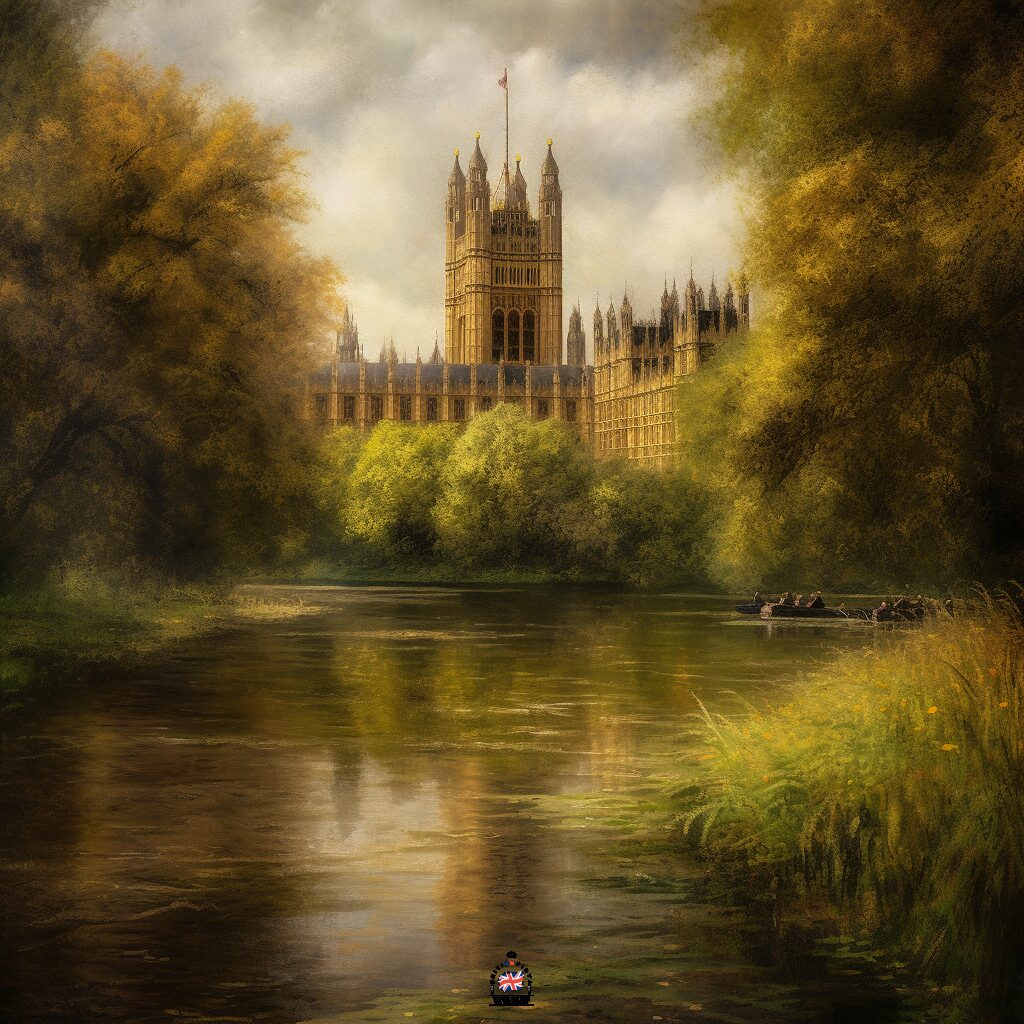
The Gap Most People Miss About the UK Parliament
Most people believe Parliament is just about making laws.
That’s only half the truth.
In reality, Parliament in 2026 is a control system: it decides what the government is allowed to do, what it must explain, and what it can be stopped from doing — sometimes publicly, sometimes quietly, sometimes at speed.
To understand how that power actually works, you need to understand where it came from, who holds it today, and how it moves through the system.
A Brief History That Still Shapes 2026
1215 Wasn’t About Freedom — It Was About Limits
The UK Parliament traces its roots to 1215, when King John agreed to the Magna Carta. This wasn’t a democratic breakthrough. It was something more dangerous for absolute power: a limit.
For the first time, the monarch accepted that even the Crown had to follow rules. Everything that followed — from elections to televised debates — grew out of that single idea.
From Kings to Commons
By 1295, King Edward I summoned what is often called the “Model Parliament”, including representatives of towns and counties. Over centuries, power drained slowly — and often violently — away from monarchs and towards elected representatives.
The turning point came in 1688 with the Glorious Revolution, locking in the principle of a constitutional monarchy. By 2026, that principle is no longer symbolic. Parliament, not the Crown, is sovereign.
The Structure of the UK Parliament in 2026
The UK Parliament has three parts. Each looks ceremonial. Each holds a different kind of power.
The Monarch: Power by Signature
The Monarch is King Charles III. In day-to-day politics, his role is neutral and constitutional. But neutral does not mean irrelevant.
Every law passed by Parliament still requires Royal Assent. In practice, assent is granted as a matter of convention — but the process reinforces one critical idea: laws are not created by politicians alone.
The House of Commons: Where Power Lives
The House of Commons is the engine room.
In 2026, there are 650 Members of Parliament (MPs), each elected to represent a single UK constituency. One MP. One seat. One direct line between voters and Westminster.
What MPs Actually Do
MPs don’t just vote on laws. They question ministers, expose failures, sit on committees, and raise local issues that would otherwise never reach national attention.
If a hospital closes, a train line fails, or a benefit system breaks, it often enters Parliament first through an MP.
The Speaker: The Referee, Not a Player
The Speaker of the House of Commons enforces the rules, controls debates, and decides who speaks. Once elected, the Speaker withdraws from party politics entirely.

The House of Lords: Slower, Quieter, Sharper
The House of Lords is unelected — and that’s exactly why it matters.
Peers include former judges, doctors, economists, civil servants, bishops, and specialists in fields MPs rarely have time to master. In 2026, the Lords focus on scrutiny, not headlines.
What the Lords Can (and Can’t) Do
The Lords revise, delay, and amend legislation. They can force the government to explain itself again and again. What they cannot do is permanently block laws backed by the Commons.
How Laws Are Made — Step by Step
This is where the system becomes real.
A bill begins life as an idea — from the government, an MP, or a member of the House of Lords. It then moves through a precise sequence: First Reading, Second Reading, Committee Stage, Report Stage, and Third Reading.
Once passed by one House, the bill goes through the same process in the other. Amendments can send it back and forth multiple times. Only when both Houses agree does it receive Royal Assent and become law.

Prime Minister’s Questions: Theatre With Teeth
Prime Minister’s Questions (PMQs) happens every Wednesday at 12:00 noon when Parliament is sitting.
It looks like noise. It’s actually pressure.
In 30 minutes, the Prime Minister must respond — on record — to unscripted questions from MPs. Answers are archived, quoted, and reused for years. A single weak answer can shape headlines, markets, and policy direction.
Why Parliament Still Matters to You
Parliament in 2026 is not perfect. It is slow by design. Messy by necessity. Public by obligation.
But it remains the place where power must explain itself — and where it can be stopped.

Closing the Loop
You started this article thinking Parliament was distant.
Now you know it’s embedded — in systems you use, rights you rely on, and decisions you feel long before you ever read about them.
The building hasn’t moved in centuries. But the power inside it still moves every week.