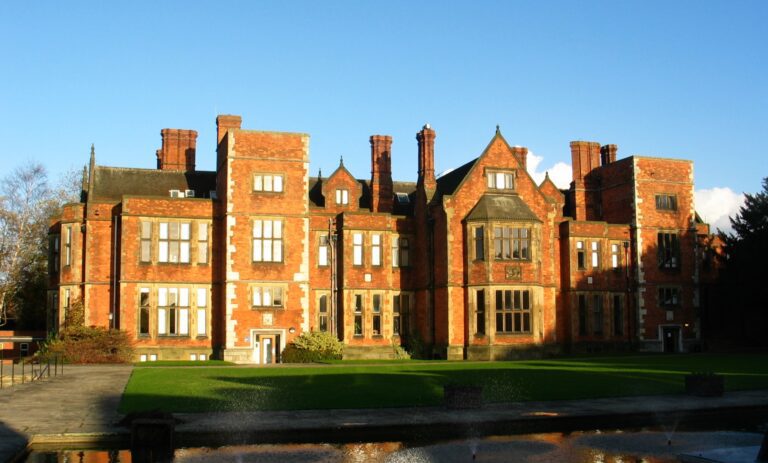
University of Bristol 2026: Rankings, Fees, Courses & What Students Don’t Tell You
Is the University of Bristol really worth the hype in 2026? Do the rankings match the reality of lectures, costs, and student life—or is there a gap nobody talks about?
Before you commit, what should you know about fees, courses, and the everyday experience beyond the prospectus? Let’s break down what Bristol offers, and what students often leave out.
But here’s the part nobody tells you early enough: Bristol isn’t just about prestige — it’s about pressure, pace, and positioning yourself for life after graduation. If you understand that before you apply, Bristol can be one of the smartest academic moves you’ll ever make. If you don’t, it can feel overwhelming very quickly.
This is your fully updated 2026 guide to the University of Bristol — with current rankings, real costs, accommodation prices, and the truths students only learn after arriving.
History of the University of Bristol (Why It Still Matters in 2026)
The University of Bristol officially received its Royal Charter in 1909, but its academic roots go back even further — to the Bristol Medical School (1833) and University College Bristol (1876).
That history isn’t just decorative. It explains why Bristol punches above its weight in research funding, why employers recognise the name instantly, and why its teaching culture is more demanding than many newer universities.
In 2026, Bristol is a member of the Russell Group, placing it alongside Oxford, Cambridge, Imperial and UCL — and that status directly affects research budgets, graduate employability and global partnerships.
University of Bristol Rankings in 2026 (The Real Picture)
Rankings change every year. Bristol’s trajectory doesn’t.
According to the QS World University Rankings 2026, the University of Bristol is ranked:
- #51 in the world
- #8 in the UK
- #12 globally for Sustainability
Times Higher Education places Bristol within the top 80 universities worldwide for 2026, with particularly strong scores in research quality and international outlook.
What this means in practice: a Bristol degree carries serious weight with employers in the UK, Europe, North America and Asia — especially in engineering, economics, computer science, law, and life sciences.
Courses Offered at the University of Bristol
Bristol isn’t a university where you “get by”. It’s a university where you specialise.
In 2026, the university offers over 600 undergraduate and postgraduate programmes across six faculties, including:
- Engineering & Technology (Civil, Mechanical, Aerospace, AI)
- Computer Science & Data Science
- Medicine, Dentistry & Health Sciences
- Law, Economics & Management
- Arts, Humanities & Social Sciences
- Natural Sciences, Physics, Chemistry & Mathematics
Teaching is research-led. Many undergraduates work with academics who publish in the world’s top journals — which is why workloads can feel intense, especially in the first year.
Student Satisfaction at Bristol (What the Numbers Really Say)
Student satisfaction is where expectations and reality often collide.
In the National Student Survey 2025, Bristol scored around 77–79% overall satisfaction, slightly below some smaller universities — but this needs context.
Bristol students consistently rate teaching quality, library resources, and academic reputation very highly. Lower scores usually relate to organisation and workload — the price of studying at a research-intensive institution.
Translation: students who thrive at Bristol tend to be self-directed, resilient, and ambitious.
Accommodation and Living Costs in Bristol (2026 Reality Check)
This is where many students get caught out.
For the 2025/26 academic year, University of Bristol accommodation costs are:
- £140–£180 per week: basic shared or older residences
- £210–£235 per week: standard en-suite rooms
- £290–£300 per week: studio apartments (limited availability)
Tenancies usually run 38–42 weeks for undergraduates. All university halls include Wi‑Fi, utilities, security, and on-site support.
Private rent in Bristol averages £600–£850 per month for a room in shared housing, depending on location.
Tuition Fees & Financial Aid (Updated for 2026)
Fees depend heavily on your status.
Home students (UK):
- Undergraduate tuition fee cap: £9,535 per year (2025/26)
International students:
- Undergraduate: £23,900 – £48,300 per year
- Postgraduate taught: £20,700 – £41,000 per year
Bristol offers Think Big Scholarships for international students, typically worth £5,000–£20,000, plus hardship funds and bursaries for eligible home students.
Research Opportunities (Why Bristol Is a Career Accelerator)
Research is where Bristol quietly dominates.
The university invests heavily in:
- Artificial Intelligence & Digital Futures
- Climate Change & Sustainability
- Health, Medicine & Neuroscience
- Creative Industries & Technology
Students can access nine major libraries, specialist labs, and funded undergraduate research projects — something many universities reserve for postgraduates.
Famous Alumni (And Why Employers Notice)
The University of Bristol has produced Nobel Prize winners, global leaders and cultural icons.
Notable alumni include:
- Paul Dirac – Nobel Prize-winning physicist
- Simon Pegg – actor and writer
- David Walliams – author and comedian
- Matt Lucas – actor and broadcaster
- Angela Eagle – UK politician
What matters isn’t fame — it’s the alumni network’s reach across finance, tech, media, science and government.
Contacting the University of Bristol
Main address: Beacon House, Queens Road, Bristol, BS8 1QU, United Kingdom
Phone: +44 (0)117 928 9000
Undergraduate admissions: choosebristol-ug@bristol.ac.uk
Website: www.bristol.ac.uk
Public Transportation in Bristol
Bristol is compact, walkable, and well-connected. Local buses cost £2 per single journey (government fare cap extended into 2026). Most student areas are 10–25 minutes from campus.