
University of Oxford Explained: What Applicants Miss in 2026
Oxford releases another set of admissions figures, and the headlines quickly fixate on grades and acceptance rates. But buried beneath the numbers is a quieter story about why high-achieving applicants still miss out year after year.
For 2026 applicants, the real differentiators sit outside the transcript — and misunderstanding them can quietly derail even the strongest profiles. Here’s what the data, tutors, and process actually reveal.
The truth in 2026 is sharper, less romantic, and far more useful: Oxford doesn’t select students. It selects systems. Academic systems. Tutorial systems. College systems. If you understand how those systems actually work, Oxford becomes legible — and therefore navigable.
This guide is not a brochure. It’s a map.
History of the University of Oxford (Why Age Still Matters)
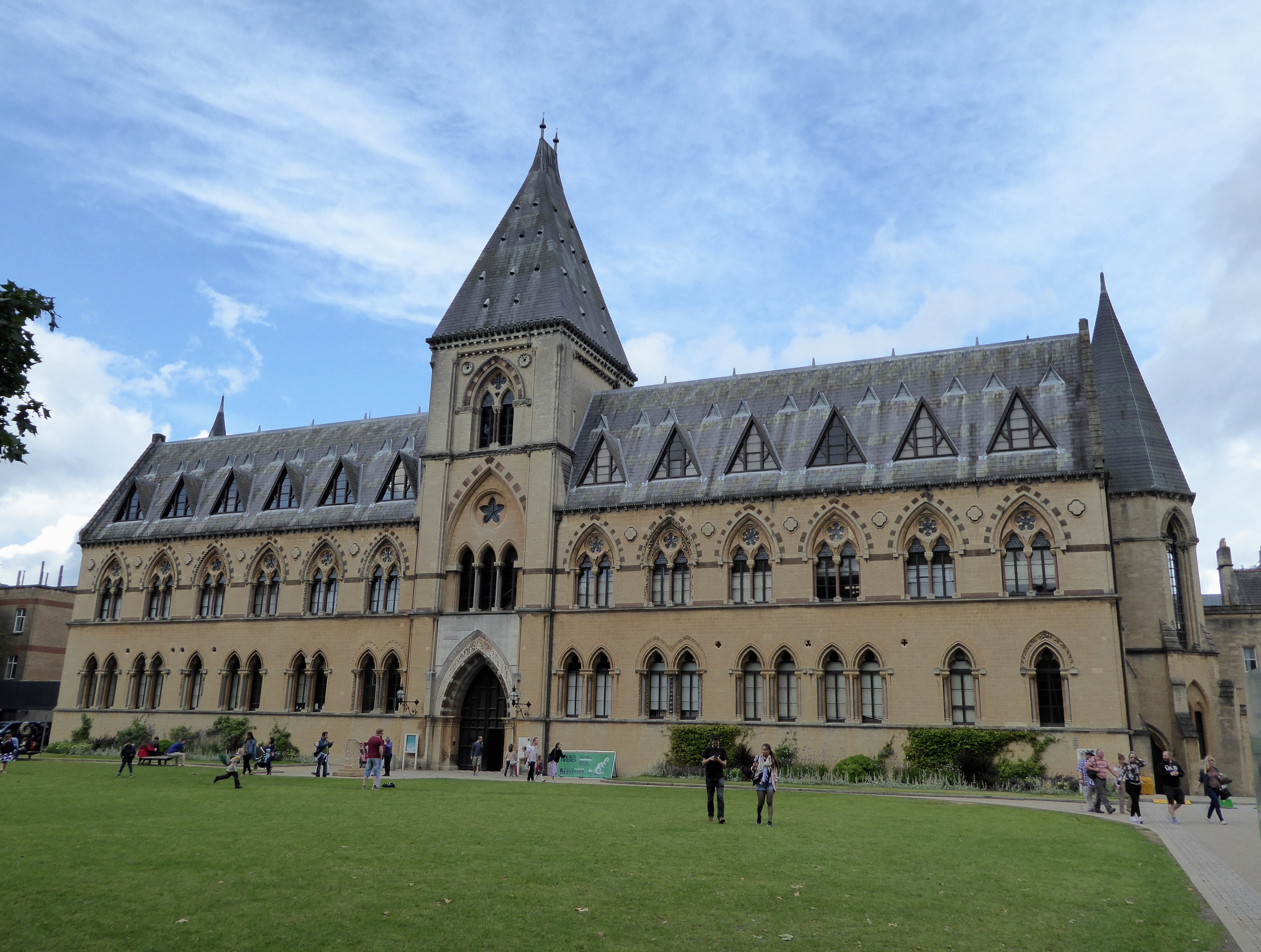
Teaching at Oxford was already happening by 1096. That makes it the oldest university in the English-speaking world.
This matters because Oxford didn’t modernise by replacement. It modernised by layering. Tutorials sit on medieval foundations. Colleges grew one by one, not as a masterplan.
The result? A university that behaves less like a campus and more like a federation. If you treat Oxford as a single institution, you misunderstand it from day one.
Oxford Colleges and Academic Divisions (The Hidden Power Structure)
In 2026, Oxford consists of 39 colleges and 4 permanent private halls. Every student belongs to exactly one.
Colleges admit students. Colleges provide accommodation. Colleges organise tutorials. The central university sets exams and lectures.
This dual structure is why two students on the same course can have radically different experiences.
Above the colleges sit four academic divisions:
- Humanities
- Social Sciences
- Mathematical, Physical & Life Sciences (MPLS)
- Medical Sciences
Understanding where your subject lives matters more than most applicants realise.

Admission Requirements in 2026 (What Actually Filters You Out)
Grades are necessary. They are not sufficient.
For UK students, typical offers remain A*AA–AAA at A-level depending on subject. Equivalent international qualifications are accepted.
What changed — and catches applicants out — is testing.
BMAT and UKCAT no longer exist. In 2026:
- Medicine: UCAT
- Law: LNAT
- Many courses: Oxford Admissions Tests (online via Pearson VUE, late October)
Miss the registration window (June–September 2025 for 2026 entry), and your application ends there.
Tuition Fees and Real Costs (The Numbers Nobody Mentions)
For Home students entering in 2026:
- Tuition fee: £9,790 per year
- Fully covered by UK government tuition loans
For Overseas students:
- £35,260 – £59,260 per year depending on course
Living costs in Oxford average £1,290–£1,840 per month including accommodation, food, and transport.

Careers and Online Recruitment at Oxford
Oxford is one of the largest employers in Oxfordshire, with roles spanning research, IT, administration, libraries, museums, and remote-first teams.
All vacancies are listed on the official recruitment portal. Typical salaries:
- Administrative roles: £26,000–£34,000
- IT and research support: £38,000–£52,000
- Academic posts: nationally negotiated scales
Language of Instruction (And Why It’s Not Just English)
All degrees are taught in English. But Oxford is also one of Europe’s strongest language universities.
Modern languages offered include Arabic, Mandarin, Japanese, Russian, Portuguese, and Modern Greek.
The Oxford Test of English remains the university’s own certified language assessment.

Famous Alumni (Why This List Still Matters)
Oxford alumni include:
- 26 British Prime Ministers
- Indira Gandhi
- J.R.R. Tolkien
- Adam Smith
- Margaret Thatcher
But the real value is not prestige. It’s network density.
The Real Pros and Cons of Studying at Oxford
Pros
- Unmatched tutorial-based teaching
- Global employer recognition
- Deep academic resources
Cons
- High pressure environment
- Limited on-site accommodation after first year
- Costs for international students

Contacting the University of Oxford
Address: University Offices, Wellington Square, Oxford OX1 2JD, UK
Phone: +44 1865 270000
Website: https://www.ox.ac.uk
Oxford’s Location
You don’t attend Oxford by accident. You attend it by understanding how it actually works.