Bothwell Castle, Scotland’s Unfinished Power Statement (2026 Guide)
You don’t come to Bothwell Castle for a tidy ruin or a gentle history lesson. You come face to face with ambition that stopped mid-sentence — massive, deliberate, and still trying to impress you across seven centuries.
Standing above the Clyde, this place was built to project dominance, not comfort, and its unfinished state is the point. To understand why Bothwell matters, you need to see what it was trying to say.
Bothwell Castle was never finished. Not because of poor planning or lack of ambition, but because Scotland itself kept tearing the ground out from under it. What stands on the banks of the River Clyde today is not a tidy medieval relic — it’s a frozen power struggle in stone.
This 2026 guide isn’t about admiring ruins. It’s about understanding why this castle still matters, how to visit it properly, and what most visitors miss entirely.
Why Bothwell Castle Feels Different
Walk into Bothwell Castle and something feels off.
The walls are enormous. The engineering is elite. The ambition is unmistakable.
And yet — it stops.
No cosy royal apartments. No completed curtain wall. No polished medieval symmetry. That’s because Bothwell wasn’t built to impress visitors. It was built to dominate rivals.
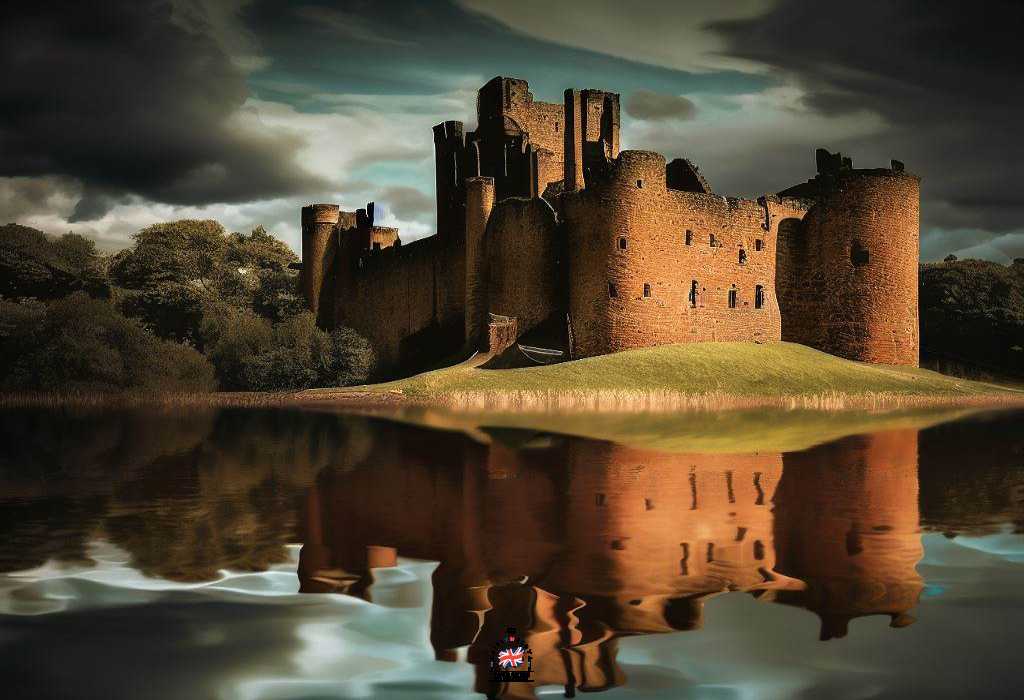
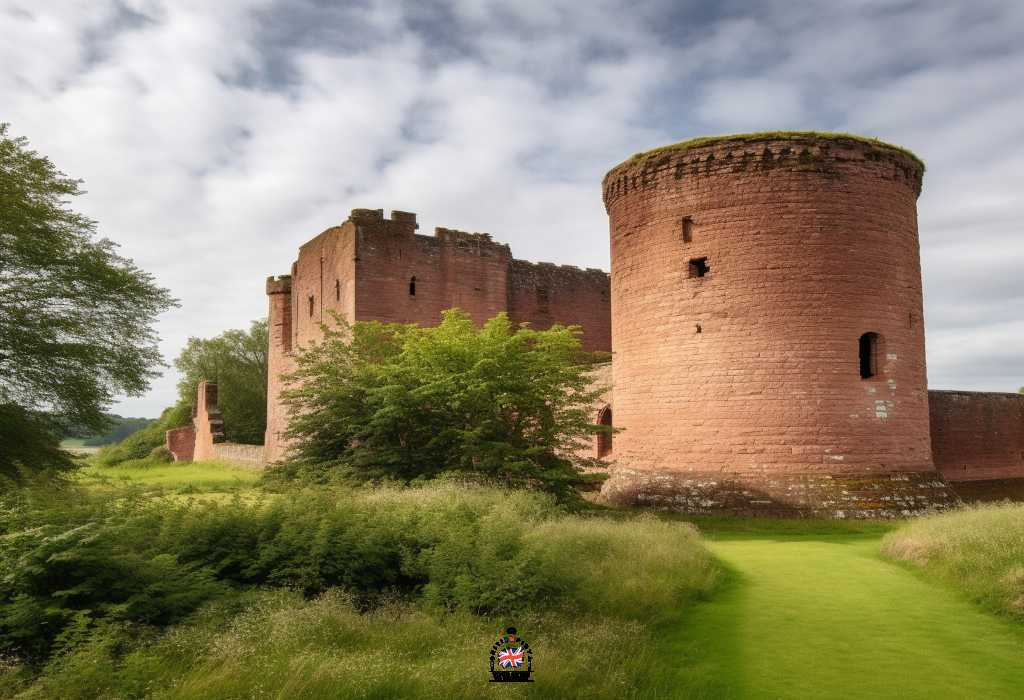
In the mid‑13th century, Walter of Moray chose this site above the River Clyde to project raw authority. The massive circular donjon — still one of the largest ever attempted in Scotland — was meant to send a message: this land was controlled, and it was defended.
Then Scotland imploded into war.
A Castle Built for a Scotland That Never Arrived
Bothwell Castle became a frontline asset during the Scottish Wars of Independence.
In 1301, Edward I of England besieged and captured it. Over the next decades, it swapped hands repeatedly — English, Scottish, Douglas, Crown — each transfer leaving scars in the stone.
The result? A fortress that reveals its construction logic openly. You can see where plans changed. Where work stopped. Where priorities shifted from expansion to survival.
That’s why historians quietly rate Bothwell as one of the most intellectually revealing castles in Scotland.
The Architecture Everyone Misses
Most visitors photograph the donjon and move on.
Look closer.
The distinctive herringbone stonework isn’t decoration. It’s reinforcement — designed to absorb impact from siege weapons. The surviving chapel carvings show a level of craftsmanship normally reserved for cathedrals, not military sites.
This wasn’t a brute‑force fortress. It was an elite one.
Visiting Bothwell Castle in 2026 (What You Need to Know)
Address: Bothwell Castle, Castle Avenue, Uddingston, South Lanarkshire, G71 8BL
Managed by: Historic Environment Scotland
Phone: 01698 816 894
Official site: https://www.historicenvironment.scot
Opening Times (2026)
April–September: 9:30am–5:00pm (last entry 4:30pm), closed Sundays & Mondays
October–March: 10:00am–4:00pm (last entry 3:30pm), closed Thursdays & Fridays
Note: The site closes daily from 12:30pm–1:30pm for lunch. Always check ahead for weather‑related closures.
Admission Prices (Reduced during conservation works)
- Adult (16–64): £7.50 online / £8.50 walk‑up
- Concession (65+): £6.00 online / £6.80 walk‑up
- Child (7–15): £4.50 online / £5.00 walk‑up
- Family (2 adults, 2 children): £12.50 online
- Young Scot Card: £1
- Historic Scotland members: Free
Getting There
Train: Glasgow Central → Uddingston (12–15 minutes). Off‑peak return from £5–£8.
From station: Walk 25 minutes, or take First Glasgow bus 255 (every 30 minutes, ~£2 single).
Car: Free parking available approx. 200m from the site.
Legends, Ghosts, and Why They Persist
Every unfinished place attracts stories.
Bothwell’s most famous is Lady Blantyre — said to wander the ruins at dusk. Whether you believe it or not misses the point. Ghost stories cling to sites where history feels unresolved.
And Bothwell never resolved.
What to See Nearby
- Bothwell Bridge — site of the 1679 battle, 15‑minute walk
- Clyde Walkway — 40 miles of riverside paths, free access
- Bothwell village — cafés, pubs, and local restaurants within 10 minutes
The Real Reason to Visit Bothwell Castle
Most castles tell you how history ended.
Bothwell shows you what happens when it doesn’t.
It’s not polished. It’s not complete. And that’s exactly why it feels honest. Standing inside its walls, you’re not admiring a finished monument — you’re witnessing ambition interrupted.
That’s why Bothwell Castle stays with people long after they leave.