London to Paris on the Chunnel: The Smart Traveller’s Guide (2026)
Beneath the Channel, something slips past the obvious—an unmarked shortcut between London and Paris that rewards those who know when, where, and how to enter.
Follow the clues and the journey changes: fewer queues, calmer borders, time quietly handed back. This guide opens the door and shows exactly how to make the crossing work in your favour.
If you’re travelling from London to Paris on the Chunnel in 2026, here’s what you don’t realise until it’s too late: the journey itself is easy. The mistakes happen around it. This guide exists to make sure you don’t make them.
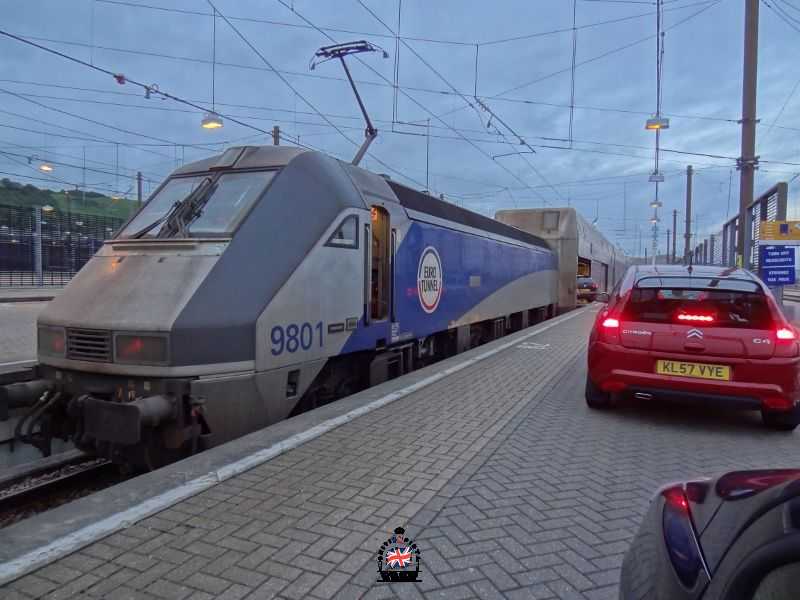
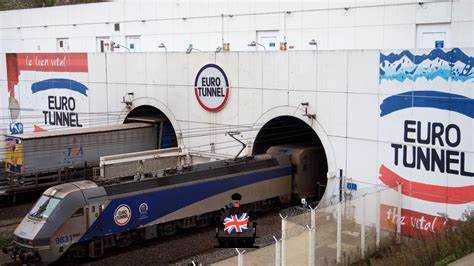
The thing everyone gets wrong about the Chunnel
People compare the Chunnel to flying.
That’s the wrong comparison.
The real comparison is this: city centre to city centre. No airport transfers. No liquids bag. No arrivals hall purgatory.
When you factor in security, boarding, baggage reclaim and transport from Charles de Gaulle, the Eurostar through the Channel Tunnel is usually 3–4 hours faster door‑to‑door than flying.
What the Chunnel actually is (and why it still matters)
The Channel Tunnel – usually called the Chunnel – is a 50.45 km railway tunnel running between Folkestone, Kent and Coquelles, near Calais.
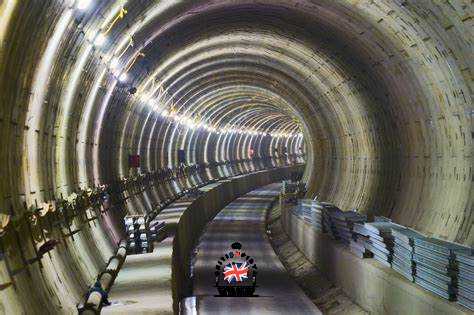
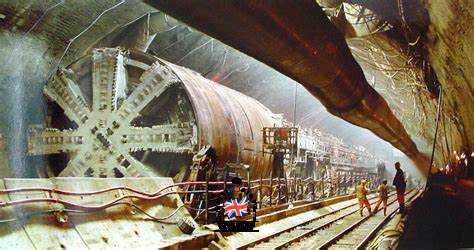
Here’s the part most people don’t appreciate: 37.9 km of it runs under the seabed, making it the longest undersea tunnel on Earth. At its deepest point, you’re 75 metres below sea level.
It opened on 6 May 1994. More than three decades later, it remains the only fixed link between Britain and mainland Europe.
London to Paris in 2026: the exact journey
This is how the journey works today, not how blogs described it years ago.
- Departure station: London St Pancras International, Euston Road, London N1C 4QP
- Arrival station: Gare du Nord, 18 Rue de Dunkerque, 75010 Paris
- Fastest journey time: 2 hours 15 minutes
- Typical frequency: 14–16 trains per day
- Operator: Eurostar
Trains run every 60–90 minutes from early morning until evening. There are no overnight services.
Check‑in rules that can ruin your day
This is where most people slip up.
Because the UK is outside Schengen, passport control happens before boarding. Miss the cut‑off and the train leaves without you.
- Standard / Standard Premier: arrive 75 minutes before departure
- Business Premier: arrive 45 minutes before departure
- Gate closure: 30 minutes before departure (15 for Business Premier)
Once you’re through security and passport checks, that’s it. You step off the train in Paris and walk straight out.
How much it really costs in 2026
Eurostar pricing is dynamic, but these are realistic 2026 numbers:
- Standard class: £50–£120 one way (advance fares from £50)
- Standard Premier: £120–£190
- Business Premier: £220–£320 (fully flexible)
Booking opens up to 6 months ahead. Cheapest fares usually appear Tuesday to Thursday, outside school holidays.
Official booking site: eurostar.com
Luggage, pets and bikes: the 2026 rules
Luggage: No weight limit. You must be able to carry it yourself.
- Standard / Standard Premier: 2 large bags (max 85 cm) + 1 small item
- Business Premier: 3 large bags + 1 small item
Pets: Pets are not allowed on Eurostar services to and from London. The only exception is registered guide or assistance dogs, which must be booked in advance.
Bikes: Folding bikes (folded under 85 cm) travel as luggage. Full‑size bikes must be disassembled and packed, or transported via specialist services.
Arriving in Paris: why Gare du Nord is an advantage
Gare du Nord isn’t pretty. It is practical.
You arrive in the 10th arrondissement with immediate access to:
- Metro lines 4 and 5
- RER B to Charles de Gaulle Airport
- Direct trains to Brussels, Amsterdam and Lille
You’re standing in Paris, not waiting to get there.
Conclusion: the Chunnel isn’t the journey – it’s the advantage
At the start, it sounds like a novelty: a train under the sea.
By the end, you realise what it actually is: a strategic shortcut between two capitals. No wasted transfers. No dead time. Just momentum.
Once you’ve done London to Paris on the Chunnel properly, flying starts to feel like the long way round.