British Nobility Ranks Explained: The Real Hierarchy in 2026
You’re told British nobility is just ceremonial—titles without teeth, ranks without relevance. But in 2026, the hierarchy still shapes land, influence, and access in ways you can’t see at a glance.
If you want to understand who actually outranks whom, why it still matters, and how the system really works today, it starts with knowing the ranks themselves.
That belief is comforting.
It’s also wrong.
In 2026, British nobility ranks are still legally defined, socially relevant, and quietly shaping how land, influence, and tradition move through the United Kingdom. The system hasn’t disappeared. It’s been redesigned.
This guide explains the five British nobility ranks as they actually work today — not the simplified version you’ve seen in textbooks or TV dramas.
British nobility ranks in 2026 (highest to lowest)
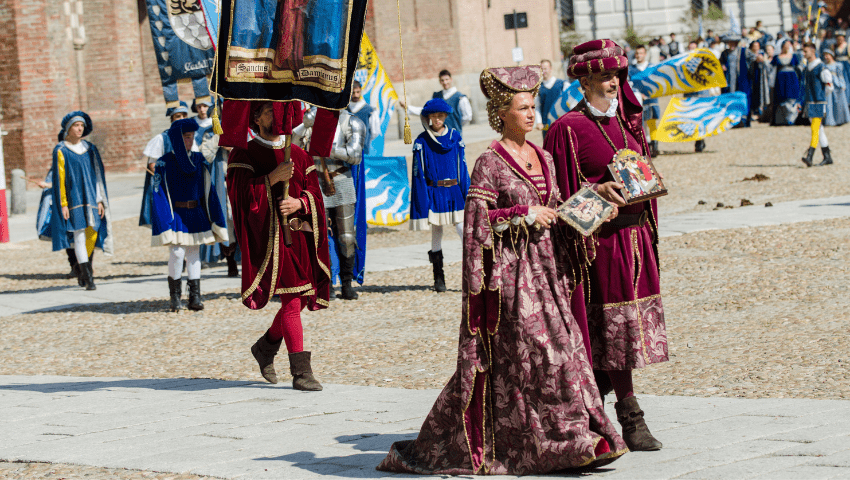
The British peerage has five ranks, legally recognised and regulated by the Crown:
- Duke
- Marquess
- Earl
- Viscount
- Baron
These are not just honorifics. Each rank comes with specific forms of address, inheritance rules, and historical privileges — even if political power has been reduced.
Duke — the top of the pyramid
The title Duke comes from the Latin dux, meaning “leader”. It remains the highest rank in the British nobility.
As of late 2025, there are 29 hereditary dukes in the United Kingdom, including royal dukes. Some dukedoms — such as Cornwall and Lancaster — are directly tied to the monarchy and generate substantial private income.
Dukes are styled “His Grace”. Their children use courtesy titles: younger sons are usually called Lord Firstname Surname, and daughters are styled Lady Firstname.
This is where many people get it wrong: being a duke does not automatically mean political power. Since the House of Lords Act 1999, only a tiny number of hereditary peers can sit in Parliament.
Marquess — the misunderstood middle
The rank of Marquess (or Marquis) comes from border governance. Historically, marquesses defended frontier regions such as the Welsh Marches.
In 2026, there are 34 hereditary marquesses in the UK. It’s one of the rarest titles, and paradoxically less known than earls, despite ranking higher.
Marquesses are addressed as Lord X, and their wives as Lady X. The eldest son often uses one of the family’s subsidiary titles as a courtesy.
Historically, this rank signalled trust. Today, it signals lineage — not authority.
Also read: Industry of the UK
Earl — Britain’s most familiar noble title
Earl is uniquely British. It predates the Norman Conquest and has no exact continental equivalent.
There are currently 189 hereditary earls. Earls are addressed as Lord So-and-So, while their wives use the title Countess.
The eldest son usually takes a subsidiary title. Younger sons are styled The Honourable. Daughters are titled Lady Firstname.
This rank survives because it adapted. Earldoms shifted from military leadership to ceremonial identity centuries ago.
Viscount — once administrative, now symbolic
The title Viscount comes from the Latin vice-comes, meaning “deputy count”. It entered Britain in the 15th century.
As of 2026, there are around 108 hereditary viscounts. They are styled Lord X, and their wives Lady X.
This rank sits at the boundary between visibility and obscurity — still noble, rarely influential.
Also read: Dropshipping UK
Baron — the foundation of the peerage
Baron is the lowest rank — and the most numerous. There are 439 hereditary barons in the UK, alongside hundreds of life barons.
Barons are addressed as Lord X, their wives as Lady X. Despite the lower rank, this title dominates the modern House of Lords.
Here’s the twist most people miss: life barons now hold far more real influence than hereditary nobles. They are appointed for expertise — law, economics, science — not bloodline.
The truth most guides won’t tell you
The British nobility didn’t fade away.
It moved.
Titles still exist. Hierarchies still matter. But power no longer follows rank — it follows appointment, expertise, and proximity to government.
In 2026, only 92 hereditary peers are allowed to sit in the House of Lords. The rest of the chamber is made up of life peers.
The system didn’t end.
It evolved.
Why this still matters
Understanding British nobility ranks isn’t about nostalgia.
It’s about understanding how Britain balances tradition with reform — and how symbols quietly shape institutions long after laws change.
The hierarchy remains. The meaning has shifted.