Public Transportation in Cambridge: Buses, Taxis, Rail & Hidden Shortcuts (2026)
Cambridge looks compact on a map, but the city moves by riddles. Buses vanish, shortcuts whisper through backstreets, and the right platform can save you an hour you didn’t know you’d lose.
Follow the patterns closely and the city reveals its tricks—rails, taxis, late-night routes, and the paths locals never name. Here’s how Cambridge actually gets around.
The truth is this: Cambridge runs on a transport system that’s far more strategic than it looks. If you understand how the buses, guided busway, taxis, and rail network actually work in 2026, you can cross the city in minutes, avoid congestion, and save hundreds of pounds a year.
This isn’t just an article about public transportation in Cambridge. It’s a practical map to moving smarter in one of Britain’s most unusual cities.
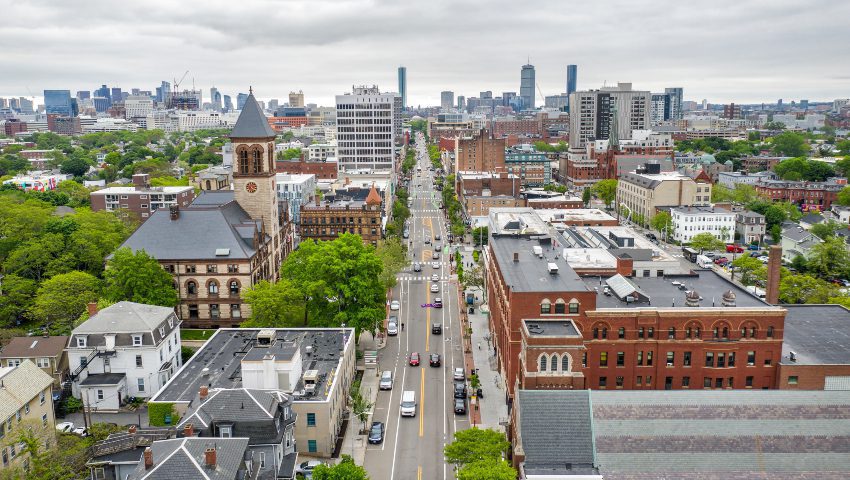
About Cambridge City (Why Transport Matters Here)
Cambridge is not just a historic university city. It’s a working laboratory of ideas, science, and global talent.
Home to the University of Cambridge and its 31 colleges, the city also hosts the Cambridge Science Park, the Biomedical Campus, and one of Europe’s fastest-growing tech clusters. On a weekday morning, tens of thousands of students, researchers, NHS staff, and commuters all move at once.
Add narrow medieval streets, strict parking controls, and growing congestion zones—and suddenly transport becomes the difference between an easy day and a stressful one.
This is why Cambridge quietly invested in buses, rail links, park-and-ride sites, and the world’s longest guided busway. Most visitors see charm. Locals see systems.
Buses in Cambridge (2026 Reality)
If you assume buses in Cambridge are slow or confusing, you’re missing the most cost-effective way to move around the city.
Bus fares in Cambridge in 2026 are capped at £3 per single journey under the national England-wide scheme, with many local routes previously running at £2 and still among the cheapest urban fares in the UK.
Main routes run from around 5:30 am to 11:30 pm, with buses every 8–12 minutes on core city corridors during the day.
The dominant operator is Stagecoach East, running the Citi bus network (Citi 1, Citi 3, Citi 7 and others). These routes connect the city centre, railway station, Addenbrooke’s Hospital, and major residential areas.
The Cambridge Guided Busway (Why It Changes Everything)
The Cambridgeshire Guided Busway is not a gimmick. It’s a 16‑mile dedicated transit corridor that bypasses traffic entirely.
Opened in 2011 and continually upgraded, it remains the longest guided busway in the world. Specially adapted buses run on concrete tracks along former railway lines, reaching speeds and reliability normal buses can’t match.
In 2026, services are primarily operated by Stagecoach and Whippet. Key stops include:
- Cambridge Railway Station
- Addenbrooke’s Hospital & Biomedical Campus
- Trumpington Park & Ride
- St Ives Park & Ride
- Huntingdon
Park & Ride sites allow drivers to park for free and travel into Cambridge by bus, often reaching the city centre faster than cars during peak hours.
Official information, live updates, and route maps are available at thebusway.info.
How to Buy Bus Tickets in Cambridge
Buying bus tickets in Cambridge is deliberately simple:
- Pay the driver by contactless card or cash for a single fare (up to £3).
- Use the Stagecoach app to buy DayRider or longer passes.
- Combine train and bus travel with a PlusBus add‑on when arriving by rail.
A typical DayRider ticket costs around £4.50–£5.50, offering unlimited bus travel within the city for one day.
Free and Discounted Bus Travel
Eligible residents can apply for a concessionary bus pass, allowing free off‑peak travel after 9:30 am on weekdays and all day on weekends.
Under‑25s in Cambridgeshire benefit from the Tiger Bus Pass, offering £1 single journeys on participating routes (availability subject to local funding—always check official sources).
Taxis in Cambridge (What Actually Works)
Taxis fill the gaps that buses and trains don’t—late nights, heavy luggage, or door‑to‑door trips.
The largest local operator is Panther Taxis (now operating under the Veezu platform).
Phone: +44 (0)1223 715715
Head office: Convent Drive, Waterbeach, Cambridge CB25 9QT
Cambridge is also fully served by Uber, offering app‑based booking, live tracking, and upfront pricing.
Typical taxi fares within the city range from £7–£15, depending on distance, time of day, and traffic.
Rail System in Cambridge (2026 Network)
Cambridge now operates as a regional rail hub, not just a stop on the line.
The city is served by:
- Cambridge Railway Station – Station Road, Cambridge CB1 2JW
- Cambridge North – serving the Science Park and northern suburbs
Both stations are managed by Greater Anglia and are fully accessible, with lifts, ramps, ticket machines, and staffed ticket offices.
Cambridge Station also hosts the UK’s largest cycle parking facility, with space for around 3,000 bicycles.
Direct train services connect Cambridge to:
- London King’s Cross (from 50 minutes)
- London Liverpool Street (around 1 hour 10 minutes)
- Stansted Airport (about 35 minutes)
- Birmingham, Norwich, Ely, and Ipswich
Advance fares to London can start from £10.75, while flexible Anytime tickets typically range from £40–£60.
Check live times and book tickets via National Rail.
Why This All Matters
At the start, we challenged the idea that Cambridge is just a “walking city.”
Now you can see the bigger picture: a layered transport system designed to move people efficiently without overwhelming a historic city.
Once you understand how buses, the guided busway, taxis, and trains interlock, Cambridge stops feeling crowded—and starts feeling navigable.
The city hasn’t outgrown its streets. It’s outgrown outdated assumptions.