Tesco UK Online Shop: What Most Shoppers Miss in 2026
Tesco’s UK online shop isn’t a simple digital trolley—it’s a fast‑evolving ecosystem that quietly reshapes prices, availability, and loyalty rewards in real time.
In 2026, the real advantages sit beneath the surface, from smart substitutions to algorithm‑led deals that reward the informed. Let’s break down what savvy shoppers are leveraging—and why it matters.
In 2026, Tesco’s online shop is less about groceries and more about how British households quietly save (or lose) hundreds of pounds a year without realising it.
This guide isn’t here to tell you that Tesco is big. You already know that. It’s here to show you how Tesco UK actually works now — what’s changed, what still matters, and how to use the system instead of letting it use you.
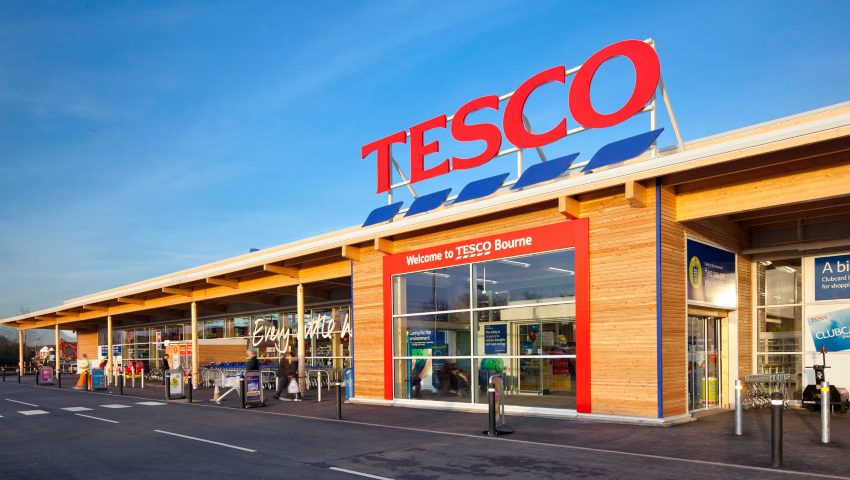
What Tesco UK really is in 2026
Tesco UK is no longer just a supermarket chain. In 2026, it’s the largest food retailer in the country, holding roughly 27–28% of the UK grocery market, with over 4,300 stores across the UK and Ireland.
Founded in 1919 by Jack Cohen as market stalls in Hackney, Tesco’s scale today would be unrecognisable to its founder. The first physical Tesco shop opened in Burnt Oak, Barnet in 1931. By 1939, there were more than 100.
The real shift came decades later. Tesco stopped trying to be just cheaper than everyone else. Instead, it learned how to be everywhere: large out-of-town Extras, neighbourhood Express stores, mobile apps, rapid delivery, and one of the most advanced grocery logistics systems in Europe.
Where Tesco stores are — and why location still matters
Tesco remains easiest to find in England, which hosts the majority of its stores. Scotland comes next, followed by Wales and Northern Ireland.
But here’s what most people miss: your local Tesco format directly affects prices. Express stores prioritise convenience and charge more per item. Superstores and Extras offer wider ranges and better value.
To find the nearest store — and see exactly what format it is — use Tesco’s official store locator at tesco.com/store-locator.
What Tesco actually sells (beyond food)
Tesco still sells groceries. That hasn’t changed. What has changed is the scale.
In 2026, Tesco’s range includes fresh food, frozen meals, bakery, household essentials, clothing (F&F), electronics, toys, seasonal items, health and beauty products, and alcohol — both in-store and online.
Its own-label strategy remains central. Tesco Finest continues to grow as a premium range, while value-focused everyday lines compete directly with Aldi and Lidl on price.
This isn’t accidental. Tesco now locks prices on over 1,000 everyday products and aggressively promotes Clubcard-only discounts — a system that rewards loyalty but quietly penalises those who don’t opt in.
Tesco Express: convenience at a cost
Tesco Express stores are typically around 200 square metres and designed for speed, not savings.
You’ll find them in city centres, residential streets, villages, and transport hubs. They stock essentials, snacks, drinks, and ready meals — but prices are often higher than in larger Tesco formats.
The trade-off is time. Express stores are usually open longer hours, often from early morning until late at night.
Tesco Bank isn’t what it used to be
If you remember Tesco Bank as a standalone supermarket bank, here’s the update most people missed.
In November 2024, Tesco completed the sale of its banking operations to Barclays. By 2026, Tesco-branded credit cards, loans, and savings products are run by Barclays under a long-term partnership.
Tesco still operates insurance, travel money, ATMs, and gift cards — but the bank itself is no longer fully Tesco-owned.
Tesco UK online shopping: the real rules in 2026
Tesco online shopping is where the quiet complexity lives.
Home delivery typically costs £2 to £7, depending on your time slot. Peak daytime slots cost more. Early mornings and late evenings are cheapest.
The standard minimum spend is £40. Orders below this usually incur a surcharge of around £4. Click & Collect has a lower minimum spend, typically £25.
Frequent shoppers can use Tesco Delivery Saver plans, starting from around £3.99–£4.99 per month, which can eliminate delivery fees entirely if you order regularly.
All online orders are picked by trained staff, with freshness guarantees on produce, dairy, meat, and chilled items. Substitutions can be controlled item by item.
To shop online, book slots, or manage deliveries, use the official site: tesco.com.
Tesco UK customer service: what actually works
Tesco directs most customer service through its online help centre, which covers orders, refunds, substitutions, Clubcard issues, and delivery problems.
The official contact page is tesco.com/help/contact.
UK customer service phone numbers and response times can vary by department, so online chat and forms are often faster than calling.
Why Tesco still shapes how Britain shops
At first glance, Tesco UK online shopping looks simple.
But underneath is a system of pricing tiers, loyalty mechanics, delivery psychology, and convenience trade-offs that quietly shape weekly spending for millions of households.
Once you see it, you can’t unsee it.
Tesco isn’t just where Britain buys food. It’s where Britain learns — slowly — how modern retail really works.