The UK Education System Explained: What Actually Changed by 2026
More than nine million pupils move through the UK education system each year, yet by 2026 it looks very different to a decade ago. Over 40% of secondary schools now operate as academies, new qualifications like T Levels sit alongside A-levels, and assessment rules have shifted at every stage.
These aren’t cosmetic tweaks—they change how students progress, what schools prioritise, and how outcomes are measured. To make sense of it all, it helps to break down what actually changed, and why it matters.
But that mental model is outdated — and in 2026, it can quietly cost families thousands of pounds, delay careers by years, or close doors people didn’t even realise were open.
This isn’t just a guide to the education system in the UK. It’s a map of how power, money, opportunity, and timing actually flow through British education in 2026 — and where most people misunderstand it.
What People Get Wrong About the UK Education System
The biggest misconception?
That the UK has one education system.
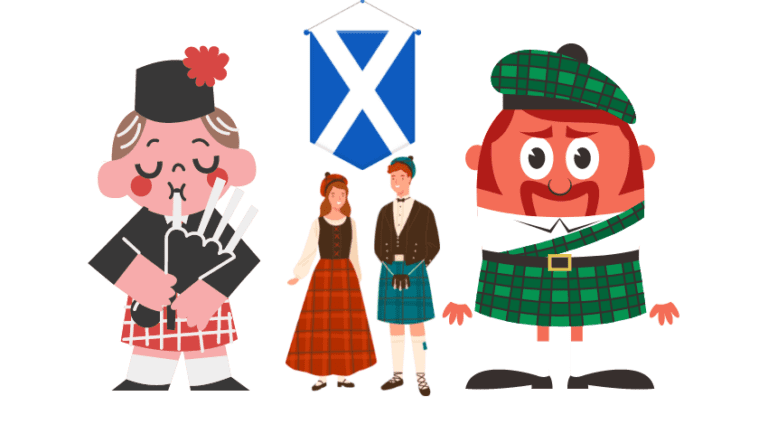
In reality, England, Scotland, Wales, and Northern Ireland operate under four distinct systems. This article focuses mainly on England, where most international students and migrants study — and where the fastest changes have happened.
Understanding those changes matters more in 2026 than ever before.
From Monasteries to Metrics: How We Got Here
British education didn’t begin as a public service. It began as a privilege.
In medieval Britain, education lived inside monasteries and cathedrals. Latin. Theology. Logic. Knowledge preserved, not distributed.
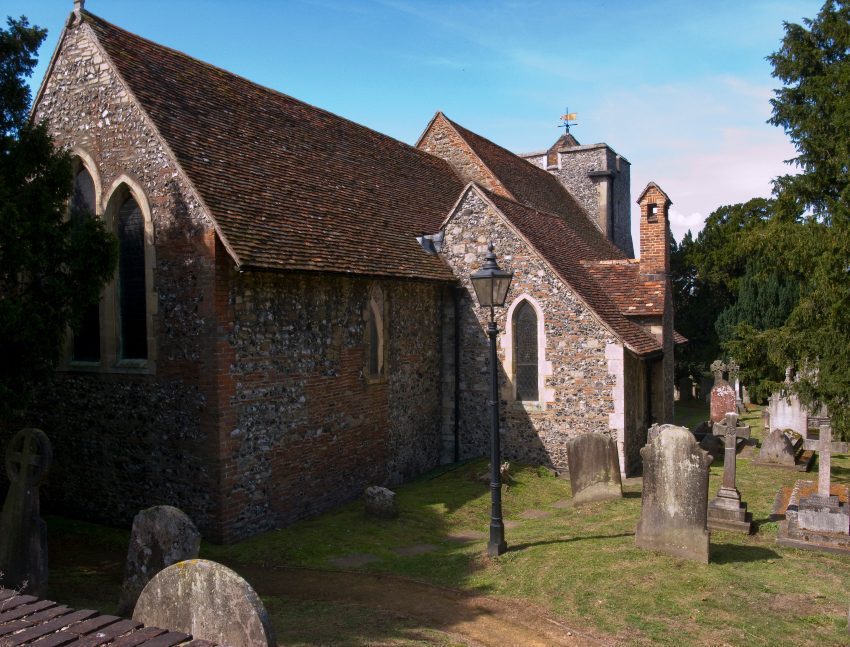
Grammar schools later expanded access — but only for boys, and mostly for the wealthy. Education wasn’t about choice. It was about control.
That legacy still shapes the system today, even if the uniforms and buildings look modern.
The 19th Century Shift That Changed Everything
The moment that truly reshaped British education came in 1870.
The Elementary Education Act introduced state responsibility for schooling. For the first time, education became a national obligation — not a charitable extra.

But access didn’t mean equality. Class divisions hardened. Private “public schools” flourished. Selection became the invisible rule.
The 20th Century Promise — and Its Collapse
The 1944 Education Act promised fairness.
Free education. Clear pathways. Opportunity based on ability.
The result was the tripartite system: grammar schools, technical schools, secondary moderns.

By the 1970s, it was clear the system didn’t remove inequality — it sorted it earlier.
Comprehensive schools replaced selection. On paper, equality arrived.
In practice? A new set of rules emerged.
The Quiet Revolution: Late 20th Century to 2026
Academies. Free schools. Performance tables. Tuition fees.
Since the 2000s, education in England has shifted from a local authority model to a centralised, data-driven system.

As of January 2026, the majority of secondary schools in England operate as academies, funded by the Department for Education but independent of local councils.
This has created flexibility — and confusion.
The UK Education System in 2026 (What Actually Applies Now)
Here is how the education system in England works right now.
Compulsory education: From age 5 until 18 (students must remain in education, training, or an apprenticeship).
Early Years: Ages 3–5. Free childcare hours available. Reception year begins the September after a child turns 4.
Primary Education: Ages 5–11. Key Stages 1 and 2. SATs taken in Year 6.
Secondary Education: Ages 11–16. GCSEs taken in Year 11.
Post-16 Education: A-levels, T Levels, apprenticeships, or vocational routes.
Higher Education: University degrees and postgraduate study.

The Number Most Families Miss: University Fees in 2026
For years, people repeated the same number: £9,250.
That number is now wrong.
From the 2026–2027 academic year, maximum undergraduate tuition fees in England rise to:
• £9,790 per year (standard courses, providers with TEF and access plans)
• £11,750 (accelerated degrees)
• Part-time: up to £7,335
These are caps — many universities charge the maximum.
Applications are handled via UCAS (www.ucas.com). Student finance is managed through Student Finance England (www.gov.uk/student-finance).
Why This System Still Surprises People
The UK education system looks simple.
It isn’t.
It’s a layered structure built over centuries, where timing matters as much as talent, and where understanding the rules often matters more than breaking them.
Once you see that, the system stops being confusing — and starts being navigable.
British Nobility Ranks: Everything You Need to Know
British society has always been shaped by invisible structures. Education is one of them. If you want to understand the others, explore more on Britishpidya.