Ben Nevis Explained: The Truth About the UK’s Highest Peak (2026 Guide)
Ben Nevis looks like a simple walk: a wide path, a famous summit, a modest altitude by alpine standards. That apparent ease is exactly what catches people out, turning a well‑trodden hill into a serious mountain.
The real test isn’t strength or speed, but judgment—about weather, timing, navigation, and when to turn back. Understanding that contrast is the starting point for tackling Britain’s highest peak properly.
Every year, more than 150,000 people stand on the highest natural point in the United Kingdom. Most follow the same path. Many are under‑prepared. A surprising number don’t realise that the danger of Ben Nevis isn’t the height, the cold, or even the climb.
The real risk is assumption.

Ben Nevis in 2026: What People Still Get Wrong
Ben Nevis hasn’t changed much in 350 million years. Our understanding of it has.
Officially measured by Ordnance Survey, the mountain stands at 1,345 metres (4,413 feet). That number is familiar. What’s less familiar is this: on average, the summit experiences winter conditions for over 250 days a year, even when Fort William is mild and green.
This disconnect between perception and reality is why Ben Nevis still features regularly in mountain rescue call‑outs.
Where Ben Nevis Actually Is (And Why That Matters)
Ben Nevis rises immediately east of Fort William, PH33 6SQ, in the Lochaber area of the Scottish Highlands. It sits at the western edge of the Grampian Mountains, directly in the path of Atlantic weather systems.
This geography explains everything: the cloud, the wind, the rapid weather changes, and the reason forecasts at sea level are often meaningless on the summit.
Getting There in 2026: Real Costs, Real Times
If you’re planning a climb, logistics matter more than motivation.
- Train: Glasgow Queen Street to Fort William takes 3 hours 45 minutes. Advance tickets typically range from £28–£65 depending on season. Book via nationalrail.co.uk.
- Bus (local): Shiel Buses services 41 and 42 run from Fort William into Glen Nevis. Single fares are typically £2–£4. Timetables vary seasonally – always check shielbuses.co.uk.
- Car: The Ben Nevis Visitor Centre car park (PH33 6ST) charges around £8 per day in peak season.
There is no public transport that drops you directly at the summit path. Everyone walks the final section.
The Mountain Track: Easier Than You Think. Harder Than You Expect.
About three‑quarters of all climbers use the Mountain Track (still often called the Pony Track). On paper, it looks forgiving.
- Distance: 16 km return
- Ascent: ~1,320 metres
- Typical time: 7–9 hours round trip
What maps don’t show is how featureless the summit plateau becomes in cloud. Navigation errors near the cliffs are a known hazard, even for experienced walkers.
Weather: The One Variable You Can’t Ignore
In January 2026, the Met Office recorded summit wind gusts exceeding 45 mph with a “feels like” temperature below -14°C. That wasn’t exceptional.
Before any ascent, check:
- Met Office Ben Nevis forecast
- Mountain Weather Information Service (MWIS) – West Highlands
If visibility is forecast below 20 metres, many experienced climbers simply don’t go.
Wildlife, Stone, and Silence
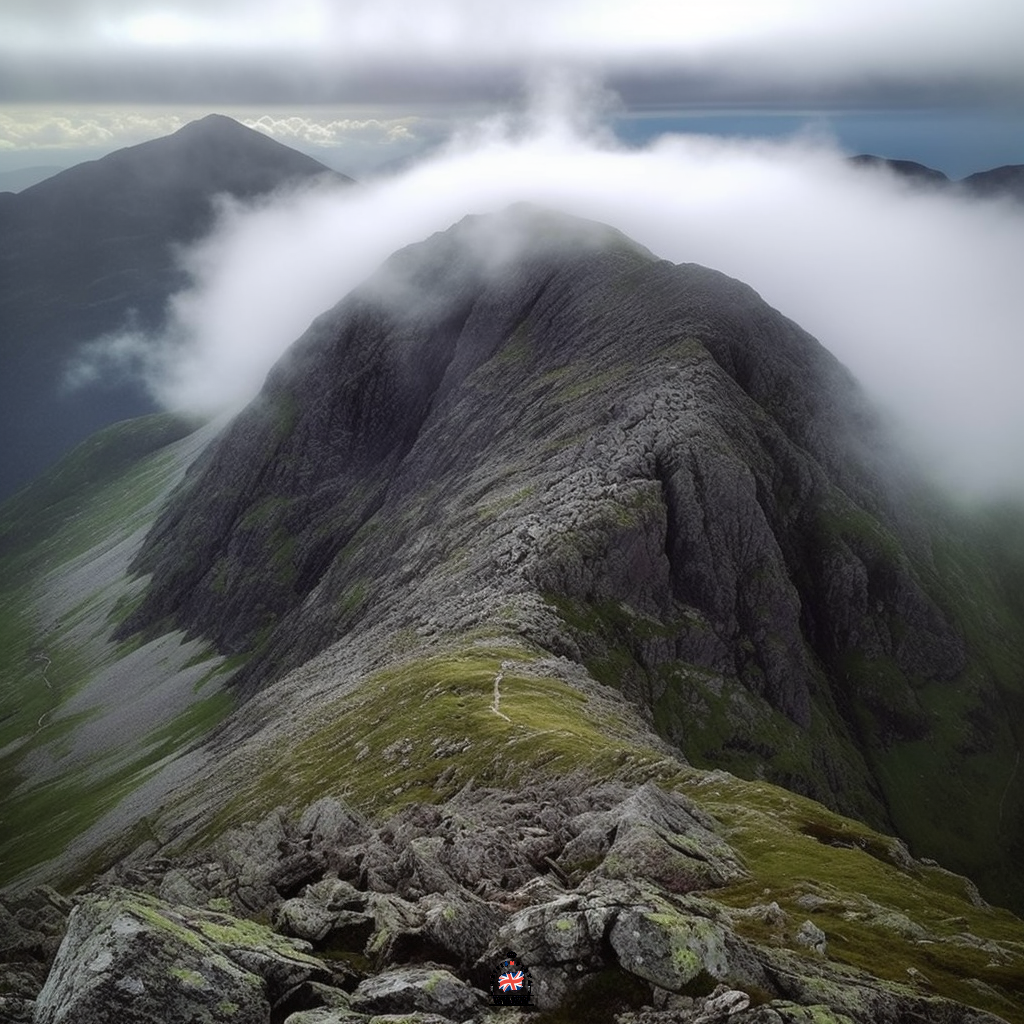
Below 600 metres, birch and Scots pine dominate. Above that, life thins out fast. Moss campion, alpine saxifrages, red deer, ptarmigan, and golden eagles persist where conditions allow.
This is why conservation matters. Path repair work by organisations like the John Muir Trust isn’t cosmetic — it’s essential to prevent erosion caused by footfall.
What Standing on the UK’s Highest Point Actually Feels Like
On a clear day, you can see the Cuillin on Skye, the hills of Mull, and miles of Atlantic horizon.
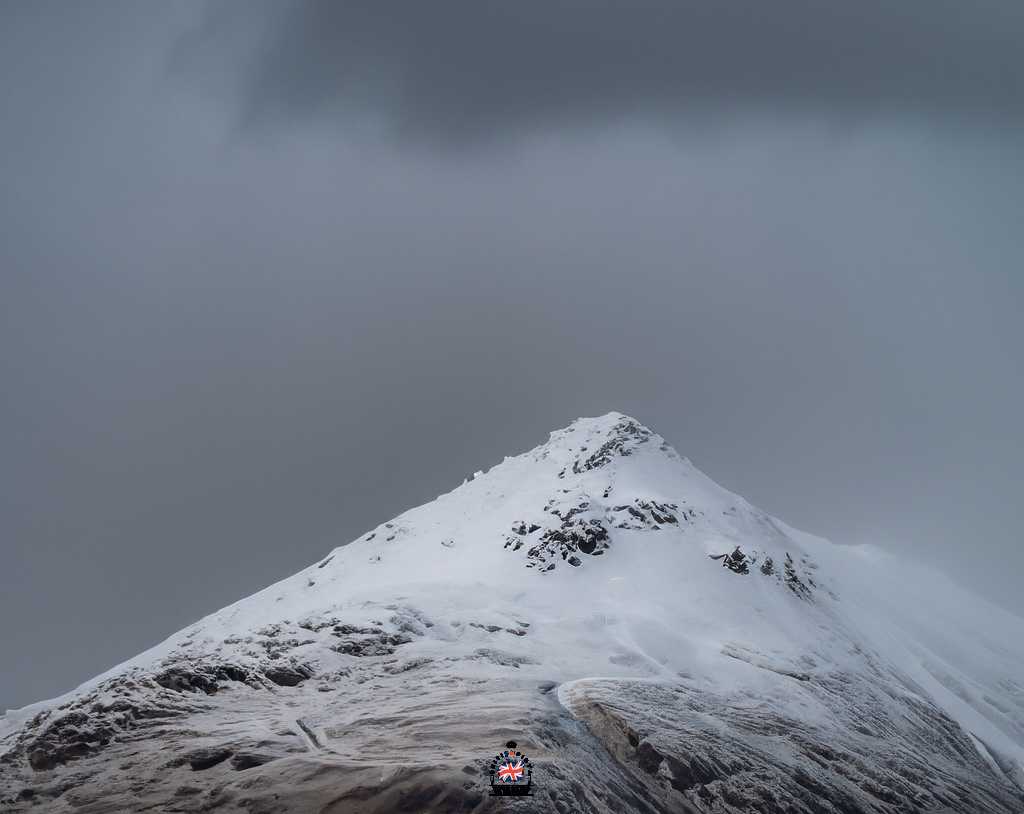
On most days, you see stone, wind, and cloud.
And that’s the point. Ben Nevis isn’t impressive because it’s dramatic. It’s impressive because it strips things back. No ticket barriers. No opening hours. No guarantees.
The Question You Should Ask Before You Go
At the start, we said Ben Nevis is a decision‑making challenge.
Here’s the decision that matters most:
Are you climbing to reach the summit — or to return safely?
Everyone who respects that question leaves the mountain with the same thing: perspective.