Vikings in Britain: The Truth About England, Ireland, Scotland and Wales (2026)
From place-names to parliaments, the
What archaeology, place-names, DNA studies, and fresh discoveries up to 2026 now show is something far more unsettling: Vikings didn’t simply attack Britain. In many places, they became Britain.
Vikings in Britain: The Assumption That Doesn’t Survive 2026
The old assumption is simple: Anglo-Saxons built Britain; Vikings interrupted it.
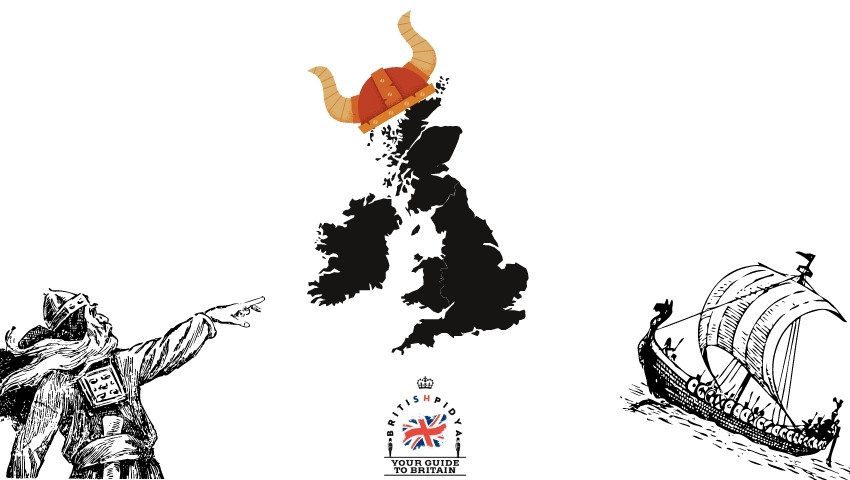
The reality is harder to ignore. Across England, Ireland, Scotland and Wales, Norse settlers reshaped trade, law, language, town planning and even the geography of power. Recent excavations—especially in northern England and Ireland—confirm long-term settlement, not hit-and-run violence.
This isn’t a story of four separate regions being attacked. It’s a story of how Britain became permanently entangled with the Viking world.
Vikings in England: From Raiders to Rulers
The Viking Age in England traditionally begins in 793, with the attack on Lindisfarne. That moment still matters—but it no longer tells the whole story.
What followed was not constant chaos, but escalation. Small coastal raids grew into overwintering armies. By the mid-9th century, Vikings were no longer leaving at all.
The so-called Great Heathen Army didn’t just fight—it settled. York (Jórvík) became a functioning Scandinavian city, complete with craftsmen, farmers, traders and international trade links stretching from the Irish Sea to the Islamic world.
In 2025, archaeologists confirmed the largest Viking Age building ever found in Britain in Cumbria—a vast hall dated to around AD 990–1040. This wasn’t a raiding camp. It was a seat of power.
England didn’t repel the Vikings. It absorbed them. Even Alfred the Great’s resistance ended not with expulsion, but treaties, borders and coexistence within the Danelaw.
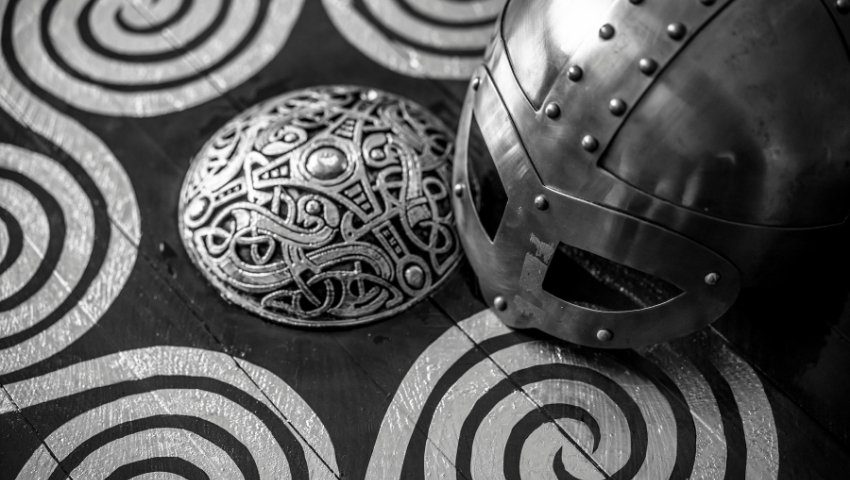
Vikings in Ireland: Builders of Cities—or Something More Complicated?
Ireland is often described as the place where Vikings stopped raiding and started building. Dublin, Waterford, Cork and Limerick all owe their urban origins to Norse settlement.
But discoveries published in 2025–2026 complicate that story. New dating and isotopic research shows that Viking Dublin developed more gradually than once believed—and that some earlier dates were distorted by marine-based diets.
Even more disruptive is the Wicklow discovery announced in January 2026: a massive prehistoric settlement that predates Viking towns by nearly two millennia. The Vikings didn’t invent Irish urbanism—they tapped into landscapes already shaped for power.
Still, Norse influence was transformative. Dublin became a major slave-trading and commercial hub of the Irish Sea world, linking Ireland to Britain, Scandinavia and beyond.

The Battle of Clontarf: Ending the Myth
The Battle of Clontarf in 1014 is often framed as the moment Ireland defeated the Vikings. That’s misleading.
What actually ended was Viking political dominance—not Viking presence. Norse families, culture and trade networks remained woven into Irish life long after the battlefield fell silent.
Vikings in Scotland: The Long Goodbye
Scotland experienced something different: Viking rule without an early ending.
From the Hebrides to Orkney and Shetland, Norse control wasn’t temporary. These islands were Scandinavian worlds for centuries, governed by earls who answered to Norway, not Scotland.
The Viking Age in Scotland didn’t fade in the 11th century. Many historians mark its true end at 1266, with the Treaty of Perth, and even later in practice.
Orkney and Shetland only became fully Scottish in 1468, and were legally integrated into the crown lands in 1669. Few regions in Europe experienced Viking influence for so long.
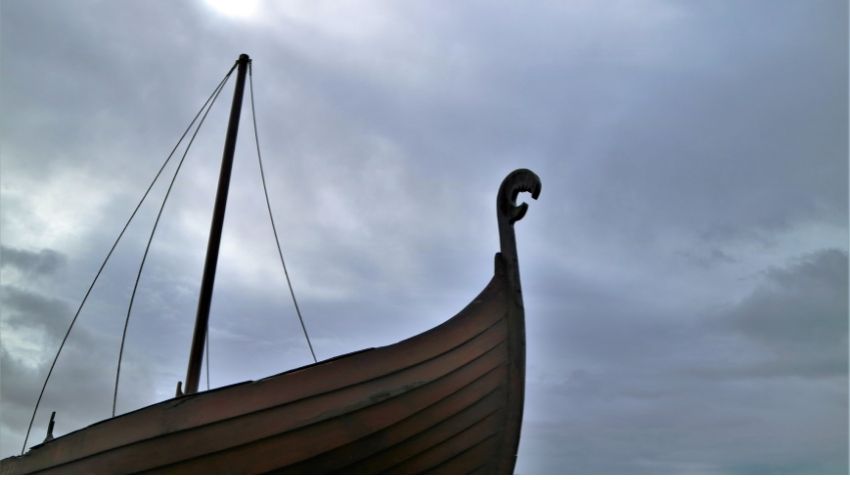
Vikings in Wales: Influence Without Conquest
Wales resisted large-scale Viking rule—but not Viking presence.
Norse traders and settlers clustered along the southern coast, leaving traces in place-names, archaeology and maritime routes. Islands like Skomer and Skokholm still echo that contact.
Wales wasn’t conquered—but it wasn’t untouched either.
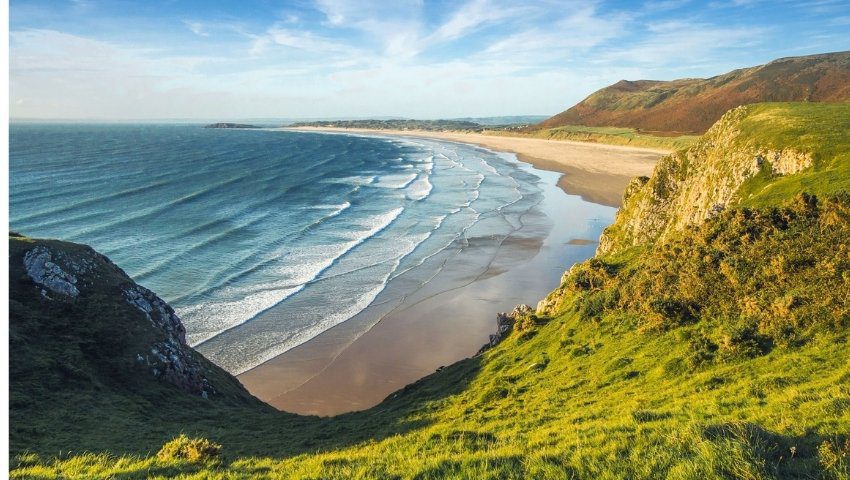
What the Vikings Really Left Behind
By 2026, the question is no longer whether Vikings mattered in Britain.
The real question is how much of Britain would still exist—linguistically, culturally, geographically—without them.
The Vikings didn’t vanish. They married, traded, governed and stayed. Britain didn’t survive them by resistance alone.
It survived by becoming something new.