Best Online Jewellery in the UK (2026 Guide): Where Smart Buyers Really Win

Jewellery isn’t about shine.

It’s about choosing which story you’re buying—and which ones you’re done overpaying for.

Just remember: wholesale prioritises margin, not meaning.

And that brings us back to where we started.

Jewellery isn’t about shine.

It’s about choosing which story you’re buying—and which ones you’re done overpaying for.

You can explore verified wholesale platforms here:
Wholesale Markets in the UK

Just remember: wholesale prioritises margin, not meaning.

And that brings us back to where we started.

Jewellery isn’t about shine.

It’s about choosing which story you’re buying—and which ones you’re done overpaying for.

If you’re sourcing jewellery for resale or bulk gifting, the UK wholesale market operates on entirely different economics.

You can explore verified wholesale platforms here:
Wholesale Markets in the UK

Just remember: wholesale prioritises margin, not meaning.

And that brings us back to where we started.

Jewellery isn’t about shine.

It’s about choosing which story you’re buying—and which ones you’re done overpaying for.

If you’re sourcing jewellery for resale or bulk gifting, the UK wholesale market operates on entirely different economics.

You can explore verified wholesale platforms here:
Wholesale Markets in the UK

Just remember: wholesale prioritises margin, not meaning.

And that brings us back to where we started.

Jewellery isn’t about shine.

It’s about choosing which story you’re buying—and which ones you’re done overpaying for.

Buy trends in vermeil. Buy milestones in solid gold. Buy investments in heritage brands.

Most regret comes from breaking that rule.

Wholesale in the UK (For a Different Game)

If you’re sourcing jewellery for resale or bulk gifting, the UK wholesale market operates on entirely different economics.

You can explore verified wholesale platforms here:
Wholesale Markets in the UK

Just remember: wholesale prioritises margin, not meaning.

And that brings us back to where we started.

Jewellery isn’t about shine.

It’s about choosing which story you’re buying—and which ones you’re done overpaying for.

If you remember one thing, make it this:

Buy trends in vermeil. Buy milestones in solid gold. Buy investments in heritage brands.

Most regret comes from breaking that rule.

Wholesale in the UK (For a Different Game)

If you’re sourcing jewellery for resale or bulk gifting, the UK wholesale market operates on entirely different economics.

You can explore verified wholesale platforms here:
Wholesale Markets in the UK

Just remember: wholesale prioritises margin, not meaning.

And that brings us back to where we started.

Jewellery isn’t about shine.

It’s about choosing which story you’re buying—and which ones you’re done overpaying for.

If you remember one thing, make it this:

Buy trends in vermeil. Buy milestones in solid gold. Buy investments in heritage brands.

Most regret comes from breaking that rule.

Wholesale in the UK (For a Different Game)

If you’re sourcing jewellery for resale or bulk gifting, the UK wholesale market operates on entirely different economics.

You can explore verified wholesale platforms here:
Wholesale Markets in the UK

Just remember: wholesale prioritises margin, not meaning.

And that brings us back to where we started.

Jewellery isn’t about shine.

It’s about choosing which story you’re buying—and which ones you’re done overpaying for.

Typical prices (2026):
• Wedding bands: £1,000–£2,500
• Engagement rings: £3,500–£30,000+

You’re not paying for materials alone. You’re paying for cultural permanence.

The Rule That Changes Everything

If you remember one thing, make it this:

Buy trends in vermeil. Buy milestones in solid gold. Buy investments in heritage brands.

Most regret comes from breaking that rule.

Wholesale in the UK (For a Different Game)

If you’re sourcing jewellery for resale or bulk gifting, the UK wholesale market operates on entirely different economics.

You can explore verified wholesale platforms here:
Wholesale Markets in the UK

Just remember: wholesale prioritises margin, not meaning.

And that brings us back to where we started.

Jewellery isn’t about shine.

It’s about choosing which story you’re buying—and which ones you’re done overpaying for.

From Love rings to Tank watches, Cartier pieces signal status instantly—and globally.

Typical prices (2026):
• Wedding bands: £1,000–£2,500
• Engagement rings: £3,500–£30,000+

You’re not paying for materials alone. You’re paying for cultural permanence.

The Rule That Changes Everything

If you remember one thing, make it this:

Buy trends in vermeil. Buy milestones in solid gold. Buy investments in heritage brands.

Most regret comes from breaking that rule.

Wholesale in the UK (For a Different Game)

If you’re sourcing jewellery for resale or bulk gifting, the UK wholesale market operates on entirely different economics.

You can explore verified wholesale platforms here:
Wholesale Markets in the UK

Just remember: wholesale prioritises margin, not meaning.

And that brings us back to where we started.

Jewellery isn’t about shine.

It’s about choosing which story you’re buying—and which ones you’re done overpaying for.

Cartier sells something no spec sheet can measure: recognition.

From Love rings to Tank watches, Cartier pieces signal status instantly—and globally.

Typical prices (2026):
• Wedding bands: £1,000–£2,500
• Engagement rings: £3,500–£30,000+

You’re not paying for materials alone. You’re paying for cultural permanence.

The Rule That Changes Everything

If you remember one thing, make it this:

Buy trends in vermeil. Buy milestones in solid gold. Buy investments in heritage brands.

Most regret comes from breaking that rule.

Wholesale in the UK (For a Different Game)

If you’re sourcing jewellery for resale or bulk gifting, the UK wholesale market operates on entirely different economics.

You can explore verified wholesale platforms here:
Wholesale Markets in the UK

Just remember: wholesale prioritises margin, not meaning.

And that brings us back to where we started.

Jewellery isn’t about shine.

It’s about choosing which story you’re buying—and which ones you’re done overpaying for.

Cartier sells something no spec sheet can measure: recognition.

From Love rings to Tank watches, Cartier pieces signal status instantly—and globally.

Typical prices (2026):
• Wedding bands: £1,000–£2,500
• Engagement rings: £3,500–£30,000+

You’re not paying for materials alone. You’re paying for cultural permanence.

The Rule That Changes Everything

If you remember one thing, make it this:

Buy trends in vermeil. Buy milestones in solid gold. Buy investments in heritage brands.

Most regret comes from breaking that rule.

Wholesale in the UK (For a Different Game)

If you’re sourcing jewellery for resale or bulk gifting, the UK wholesale market operates on entirely different economics.

You can explore verified wholesale platforms here:
Wholesale Markets in the UK

Just remember: wholesale prioritises margin, not meaning.

And that brings us back to where we started.

Jewellery isn’t about shine.

It’s about choosing which story you’re buying—and which ones you’re done overpaying for.

Typical prices (2026):
• Entry jewellery: £1,200–£3,000
• Diamond rings: £4,000–£25,000+

This is not impulse jewellery. It’s jewellery you insure.

Cartier – When Symbol Beats Spec

Cartier sells something no spec sheet can measure: recognition.

From Love rings to Tank watches, Cartier pieces signal status instantly—and globally.

Typical prices (2026):
• Wedding bands: £1,000–£2,500
• Engagement rings: £3,500–£30,000+

You’re not paying for materials alone. You’re paying for cultural permanence.

The Rule That Changes Everything

If you remember one thing, make it this:

Buy trends in vermeil. Buy milestones in solid gold. Buy investments in heritage brands.

Most regret comes from breaking that rule.

Wholesale in the UK (For a Different Game)

If you’re sourcing jewellery for resale or bulk gifting, the UK wholesale market operates on entirely different economics.

You can explore verified wholesale platforms here:
Wholesale Markets in the UK

Just remember: wholesale prioritises margin, not meaning.

And that brings us back to where we started.

Jewellery isn’t about shine.

It’s about choosing which story you’re buying—and which ones you’re done overpaying for.

Founded in Rome in 1884, Bulgari’s bold geometry and heavy gold pieces behave more like portable wealth than accessories.

Typical prices (2026):
• Entry jewellery: £1,200–£3,000
• Diamond rings: £4,000–£25,000+

This is not impulse jewellery. It’s jewellery you insure.

Cartier – When Symbol Beats Spec

Cartier sells something no spec sheet can measure: recognition.

From Love rings to Tank watches, Cartier pieces signal status instantly—and globally.

Typical prices (2026):
• Wedding bands: £1,000–£2,500
• Engagement rings: £3,500–£30,000+

You’re not paying for materials alone. You’re paying for cultural permanence.

The Rule That Changes Everything

If you remember one thing, make it this:

Buy trends in vermeil. Buy milestones in solid gold. Buy investments in heritage brands.

Most regret comes from breaking that rule.

Wholesale in the UK (For a Different Game)

If you’re sourcing jewellery for resale or bulk gifting, the UK wholesale market operates on entirely different economics.

You can explore verified wholesale platforms here:
Wholesale Markets in the UK

Just remember: wholesale prioritises margin, not meaning.

And that brings us back to where we started.

Jewellery isn’t about shine.

It’s about choosing which story you’re buying—and which ones you’re done overpaying for.

It’s expensive because it holds value.

Founded in Rome in 1884, Bulgari’s bold geometry and heavy gold pieces behave more like portable wealth than accessories.

Typical prices (2026):
• Entry jewellery: £1,200–£3,000
• Diamond rings: £4,000–£25,000+

This is not impulse jewellery. It’s jewellery you insure.

Cartier – When Symbol Beats Spec

Cartier sells something no spec sheet can measure: recognition.

From Love rings to Tank watches, Cartier pieces signal status instantly—and globally.

Typical prices (2026):
• Wedding bands: £1,000–£2,500
• Engagement rings: £3,500–£30,000+

You’re not paying for materials alone. You’re paying for cultural permanence.

The Rule That Changes Everything

If you remember one thing, make it this:

Buy trends in vermeil. Buy milestones in solid gold. Buy investments in heritage brands.

Most regret comes from breaking that rule.

Wholesale in the UK (For a Different Game)

If you’re sourcing jewellery for resale or bulk gifting, the UK wholesale market operates on entirely different economics.

You can explore verified wholesale platforms here:
Wholesale Markets in the UK

Just remember: wholesale prioritises margin, not meaning.

And that brings us back to where we started.

Jewellery isn’t about shine.

It’s about choosing which story you’re buying—and which ones you’re done overpaying for.

Bulgari is not expensive because it’s flashy.

It’s expensive because it holds value.

Founded in Rome in 1884, Bulgari’s bold geometry and heavy gold pieces behave more like portable wealth than accessories.

Typical prices (2026):
• Entry jewellery: £1,200–£3,000
• Diamond rings: £4,000–£25,000+

This is not impulse jewellery. It’s jewellery you insure.

Cartier – When Symbol Beats Spec

Cartier sells something no spec sheet can measure: recognition.

From Love rings to Tank watches, Cartier pieces signal status instantly—and globally.

Typical prices (2026):
• Wedding bands: £1,000–£2,500
• Engagement rings: £3,500–£30,000+

You’re not paying for materials alone. You’re paying for cultural permanence.

The Rule That Changes Everything

If you remember one thing, make it this:

Buy trends in vermeil. Buy milestones in solid gold. Buy investments in heritage brands.

Most regret comes from breaking that rule.

Wholesale in the UK (For a Different Game)

If you’re sourcing jewellery for resale or bulk gifting, the UK wholesale market operates on entirely different economics.

You can explore verified wholesale platforms here:
Wholesale Markets in the UK

Just remember: wholesale prioritises margin, not meaning.

And that brings us back to where we started.

Jewellery isn’t about shine.

It’s about choosing which story you’re buying—and which ones you’re done overpaying for.

Bulgari is not expensive because it’s flashy.

It’s expensive because it holds value.

Founded in Rome in 1884, Bulgari’s bold geometry and heavy gold pieces behave more like portable wealth than accessories.

Typical prices (2026):
• Entry jewellery: £1,200–£3,000
• Diamond rings: £4,000–£25,000+

This is not impulse jewellery. It’s jewellery you insure.

Cartier – When Symbol Beats Spec

Cartier sells something no spec sheet can measure: recognition.

From Love rings to Tank watches, Cartier pieces signal status instantly—and globally.

Typical prices (2026):
• Wedding bands: £1,000–£2,500
• Engagement rings: £3,500–£30,000+

You’re not paying for materials alone. You’re paying for cultural permanence.

The Rule That Changes Everything

If you remember one thing, make it this:

Buy trends in vermeil. Buy milestones in solid gold. Buy investments in heritage brands.

Most regret comes from breaking that rule.

Wholesale in the UK (For a Different Game)

If you’re sourcing jewellery for resale or bulk gifting, the UK wholesale market operates on entirely different economics.

You can explore verified wholesale platforms here:
Wholesale Markets in the UK

Just remember: wholesale prioritises margin, not meaning.

And that brings us back to where we started.

Jewellery isn’t about shine.

It’s about choosing which story you’re buying—and which ones you’re done overpaying for.

Typical prices (2026):
• Engagement rings: from ~£1,200
• 1ct lab-grown diamond rings: £1,500–£3,000
• Natural diamonds: £2,500–£40,000+

If you care about cut, clarity and certification more than brand storytelling, this is where logic wins.

Bulgari – Jewellery as Asset

Bulgari is not expensive because it’s flashy.

It’s expensive because it holds value.

Founded in Rome in 1884, Bulgari’s bold geometry and heavy gold pieces behave more like portable wealth than accessories.

Typical prices (2026):
• Entry jewellery: £1,200–£3,000
• Diamond rings: £4,000–£25,000+

This is not impulse jewellery. It’s jewellery you insure.

Cartier – When Symbol Beats Spec

Cartier sells something no spec sheet can measure: recognition.

From Love rings to Tank watches, Cartier pieces signal status instantly—and globally.

Typical prices (2026):
• Wedding bands: £1,000–£2,500
• Engagement rings: £3,500–£30,000+

You’re not paying for materials alone. You’re paying for cultural permanence.

The Rule That Changes Everything

If you remember one thing, make it this:

Buy trends in vermeil. Buy milestones in solid gold. Buy investments in heritage brands.

Most regret comes from breaking that rule.

Wholesale in the UK (For a Different Game)

If you’re sourcing jewellery for resale or bulk gifting, the UK wholesale market operates on entirely different economics.

You can explore verified wholesale platforms here:
Wholesale Markets in the UK

Just remember: wholesale prioritises margin, not meaning.

And that brings us back to where we started.

Jewellery isn’t about shine.

It’s about choosing which story you’re buying—and which ones you’re done overpaying for.

In 2026, it remains one of the best places to buy GIA-certified diamonds online in the UK, with VAT handled upfront for UK customers.

Typical prices (2026):
• Engagement rings: from ~£1,200
• 1ct lab-grown diamond rings: £1,500–£3,000
• Natural diamonds: £2,500–£40,000+

If you care about cut, clarity and certification more than brand storytelling, this is where logic wins.

Bulgari – Jewellery as Asset

Bulgari is not expensive because it’s flashy.

It’s expensive because it holds value.

Founded in Rome in 1884, Bulgari’s bold geometry and heavy gold pieces behave more like portable wealth than accessories.

Typical prices (2026):
• Entry jewellery: £1,200–£3,000
• Diamond rings: £4,000–£25,000+

This is not impulse jewellery. It’s jewellery you insure.

Cartier – When Symbol Beats Spec

Cartier sells something no spec sheet can measure: recognition.

From Love rings to Tank watches, Cartier pieces signal status instantly—and globally.

Typical prices (2026):
• Wedding bands: £1,000–£2,500
• Engagement rings: £3,500–£30,000+

You’re not paying for materials alone. You’re paying for cultural permanence.

The Rule That Changes Everything

If you remember one thing, make it this:

Buy trends in vermeil. Buy milestones in solid gold. Buy investments in heritage brands.

Most regret comes from breaking that rule.

Wholesale in the UK (For a Different Game)

If you’re sourcing jewellery for resale or bulk gifting, the UK wholesale market operates on entirely different economics.

You can explore verified wholesale platforms here:
Wholesale Markets in the UK

Just remember: wholesale prioritises margin, not meaning.

And that brings us back to where we started.

Jewellery isn’t about shine.

It’s about choosing which story you’re buying—and which ones you’re done overpaying for.

Blue Nile changed the engagement ring market by removing the showroom—and keeping the margin.

In 2026, it remains one of the best places to buy GIA-certified diamonds online in the UK, with VAT handled upfront for UK customers.

Typical prices (2026):
• Engagement rings: from ~£1,200
• 1ct lab-grown diamond rings: £1,500–£3,000
• Natural diamonds: £2,500–£40,000+

If you care about cut, clarity and certification more than brand storytelling, this is where logic wins.

Bulgari – Jewellery as Asset

Bulgari is not expensive because it’s flashy.

It’s expensive because it holds value.

Founded in Rome in 1884, Bulgari’s bold geometry and heavy gold pieces behave more like portable wealth than accessories.

Typical prices (2026):
• Entry jewellery: £1,200–£3,000
• Diamond rings: £4,000–£25,000+

This is not impulse jewellery. It’s jewellery you insure.

Cartier – When Symbol Beats Spec

Cartier sells something no spec sheet can measure: recognition.

From Love rings to Tank watches, Cartier pieces signal status instantly—and globally.

Typical prices (2026):
• Wedding bands: £1,000–£2,500
• Engagement rings: £3,500–£30,000+

You’re not paying for materials alone. You’re paying for cultural permanence.

The Rule That Changes Everything

If you remember one thing, make it this:

Buy trends in vermeil. Buy milestones in solid gold. Buy investments in heritage brands.

Most regret comes from breaking that rule.

Wholesale in the UK (For a Different Game)

If you’re sourcing jewellery for resale or bulk gifting, the UK wholesale market operates on entirely different economics.

You can explore verified wholesale platforms here:
Wholesale Markets in the UK

Just remember: wholesale prioritises margin, not meaning.

And that brings us back to where we started.

Jewellery isn’t about shine.

It’s about choosing which story you’re buying—and which ones you’re done overpaying for.

Blue Nile changed the engagement ring market by removing the showroom—and keeping the margin.

In 2026, it remains one of the best places to buy GIA-certified diamonds online in the UK, with VAT handled upfront for UK customers.

Typical prices (2026):
• Engagement rings: from ~£1,200
• 1ct lab-grown diamond rings: £1,500–£3,000
• Natural diamonds: £2,500–£40,000+

If you care about cut, clarity and certification more than brand storytelling, this is where logic wins.

Bulgari – Jewellery as Asset

Bulgari is not expensive because it’s flashy.

It’s expensive because it holds value.

Founded in Rome in 1884, Bulgari’s bold geometry and heavy gold pieces behave more like portable wealth than accessories.

Typical prices (2026):
• Entry jewellery: £1,200–£3,000
• Diamond rings: £4,000–£25,000+

This is not impulse jewellery. It’s jewellery you insure.

Cartier – When Symbol Beats Spec

Cartier sells something no spec sheet can measure: recognition.

From Love rings to Tank watches, Cartier pieces signal status instantly—and globally.

Typical prices (2026):
• Wedding bands: £1,000–£2,500
• Engagement rings: £3,500–£30,000+

You’re not paying for materials alone. You’re paying for cultural permanence.

The Rule That Changes Everything

If you remember one thing, make it this:

Buy trends in vermeil. Buy milestones in solid gold. Buy investments in heritage brands.

Most regret comes from breaking that rule.

Wholesale in the UK (For a Different Game)

If you’re sourcing jewellery for resale or bulk gifting, the UK wholesale market operates on entirely different economics.

You can explore verified wholesale platforms here:
Wholesale Markets in the UK

Just remember: wholesale prioritises margin, not meaning.

And that brings us back to where we started.

Jewellery isn’t about shine.

It’s about choosing which story you’re buying—and which ones you’re done overpaying for.

Typical prices (2026):
• Earrings: £35–£95
• Necklaces: £49–£199
• Solid gold fine pieces: £350–£500+

You’re not paying for resale value here. You’re paying for emotional clarity. And for gifts, that often matters more.

Blue Nile – Diamonds Without the Theatre

Blue Nile changed the engagement ring market by removing the showroom—and keeping the margin.

In 2026, it remains one of the best places to buy GIA-certified diamonds online in the UK, with VAT handled upfront for UK customers.

Typical prices (2026):
• Engagement rings: from ~£1,200
• 1ct lab-grown diamond rings: £1,500–£3,000
• Natural diamonds: £2,500–£40,000+

If you care about cut, clarity and certification more than brand storytelling, this is where logic wins.

Bulgari – Jewellery as Asset

Bulgari is not expensive because it’s flashy.

It’s expensive because it holds value.

Founded in Rome in 1884, Bulgari’s bold geometry and heavy gold pieces behave more like portable wealth than accessories.

Typical prices (2026):
• Entry jewellery: £1,200–£3,000
• Diamond rings: £4,000–£25,000+

This is not impulse jewellery. It’s jewellery you insure.

Cartier – When Symbol Beats Spec

Cartier sells something no spec sheet can measure: recognition.

From Love rings to Tank watches, Cartier pieces signal status instantly—and globally.

Typical prices (2026):
• Wedding bands: £1,000–£2,500
• Engagement rings: £3,500–£30,000+

You’re not paying for materials alone. You’re paying for cultural permanence.

The Rule That Changes Everything

If you remember one thing, make it this:

Buy trends in vermeil. Buy milestones in solid gold. Buy investments in heritage brands.

Most regret comes from breaking that rule.

Wholesale in the UK (For a Different Game)

If you’re sourcing jewellery for resale or bulk gifting, the UK wholesale market operates on entirely different economics.

You can explore verified wholesale platforms here:
Wholesale Markets in the UK

Just remember: wholesale prioritises margin, not meaning.

And that brings us back to where we started.

Jewellery isn’t about shine.

It’s about choosing which story you’re buying—and which ones you’re done overpaying for.

Each collection is built around symbolism—healing stones, zodiac signs, intention jewellery—which makes it disproportionately powerful as a present.

Typical prices (2026):
• Earrings: £35–£95
• Necklaces: £49–£199
• Solid gold fine pieces: £350–£500+

You’re not paying for resale value here. You’re paying for emotional clarity. And for gifts, that often matters more.

Blue Nile – Diamonds Without the Theatre

Blue Nile changed the engagement ring market by removing the showroom—and keeping the margin.

In 2026, it remains one of the best places to buy GIA-certified diamonds online in the UK, with VAT handled upfront for UK customers.

Typical prices (2026):
• Engagement rings: from ~£1,200
• 1ct lab-grown diamond rings: £1,500–£3,000
• Natural diamonds: £2,500–£40,000+

If you care about cut, clarity and certification more than brand storytelling, this is where logic wins.

Bulgari – Jewellery as Asset

Bulgari is not expensive because it’s flashy.

It’s expensive because it holds value.

Founded in Rome in 1884, Bulgari’s bold geometry and heavy gold pieces behave more like portable wealth than accessories.

Typical prices (2026):
• Entry jewellery: £1,200–£3,000
• Diamond rings: £4,000–£25,000+

This is not impulse jewellery. It’s jewellery you insure.

Cartier – When Symbol Beats Spec

Cartier sells something no spec sheet can measure: recognition.

From Love rings to Tank watches, Cartier pieces signal status instantly—and globally.

Typical prices (2026):
• Wedding bands: £1,000–£2,500
• Engagement rings: £3,500–£30,000+

You’re not paying for materials alone. You’re paying for cultural permanence.

The Rule That Changes Everything

If you remember one thing, make it this:

Buy trends in vermeil. Buy milestones in solid gold. Buy investments in heritage brands.

Most regret comes from breaking that rule.

Wholesale in the UK (For a Different Game)

If you’re sourcing jewellery for resale or bulk gifting, the UK wholesale market operates on entirely different economics.

You can explore verified wholesale platforms here:
Wholesale Markets in the UK

Just remember: wholesale prioritises margin, not meaning.

And that brings us back to where we started.

Jewellery isn’t about shine.

It’s about choosing which story you’re buying—and which ones you’re done overpaying for.

Daisy London succeeds where most gift jewellery fails: it explains itself.

Each collection is built around symbolism—healing stones, zodiac signs, intention jewellery—which makes it disproportionately powerful as a present.

Typical prices (2026):
• Earrings: £35–£95
• Necklaces: £49–£199
• Solid gold fine pieces: £350–£500+

You’re not paying for resale value here. You’re paying for emotional clarity. And for gifts, that often matters more.

Blue Nile – Diamonds Without the Theatre

Blue Nile changed the engagement ring market by removing the showroom—and keeping the margin.

In 2026, it remains one of the best places to buy GIA-certified diamonds online in the UK, with VAT handled upfront for UK customers.

Typical prices (2026):
• Engagement rings: from ~£1,200
• 1ct lab-grown diamond rings: £1,500–£3,000
• Natural diamonds: £2,500–£40,000+

If you care about cut, clarity and certification more than brand storytelling, this is where logic wins.

Bulgari – Jewellery as Asset

Bulgari is not expensive because it’s flashy.

It’s expensive because it holds value.

Founded in Rome in 1884, Bulgari’s bold geometry and heavy gold pieces behave more like portable wealth than accessories.

Typical prices (2026):
• Entry jewellery: £1,200–£3,000
• Diamond rings: £4,000–£25,000+

This is not impulse jewellery. It’s jewellery you insure.

Cartier – When Symbol Beats Spec

Cartier sells something no spec sheet can measure: recognition.

From Love rings to Tank watches, Cartier pieces signal status instantly—and globally.

Typical prices (2026):
• Wedding bands: £1,000–£2,500
• Engagement rings: £3,500–£30,000+

You’re not paying for materials alone. You’re paying for cultural permanence.

The Rule That Changes Everything

If you remember one thing, make it this:

Buy trends in vermeil. Buy milestones in solid gold. Buy investments in heritage brands.

Most regret comes from breaking that rule.

Wholesale in the UK (For a Different Game)

If you’re sourcing jewellery for resale or bulk gifting, the UK wholesale market operates on entirely different economics.

You can explore verified wholesale platforms here:
Wholesale Markets in the UK

Just remember: wholesale prioritises margin, not meaning.

And that brings us back to where we started.

Jewellery isn’t about shine.

It’s about choosing which story you’re buying—and which ones you’re done overpaying for.

Daisy London succeeds where most gift jewellery fails: it explains itself.

Each collection is built around symbolism—healing stones, zodiac signs, intention jewellery—which makes it disproportionately powerful as a present.

Typical prices (2026):
• Earrings: £35–£95
• Necklaces: £49–£199
• Solid gold fine pieces: £350–£500+

You’re not paying for resale value here. You’re paying for emotional clarity. And for gifts, that often matters more.

Blue Nile – Diamonds Without the Theatre

Blue Nile changed the engagement ring market by removing the showroom—and keeping the margin.

In 2026, it remains one of the best places to buy GIA-certified diamonds online in the UK, with VAT handled upfront for UK customers.

Typical prices (2026):
• Engagement rings: from ~£1,200
• 1ct lab-grown diamond rings: £1,500–£3,000
• Natural diamonds: £2,500–£40,000+

If you care about cut, clarity and certification more than brand storytelling, this is where logic wins.

Bulgari – Jewellery as Asset

Bulgari is not expensive because it’s flashy.

It’s expensive because it holds value.

Founded in Rome in 1884, Bulgari’s bold geometry and heavy gold pieces behave more like portable wealth than accessories.

Typical prices (2026):
• Entry jewellery: £1,200–£3,000
• Diamond rings: £4,000–£25,000+

This is not impulse jewellery. It’s jewellery you insure.

Cartier – When Symbol Beats Spec

Cartier sells something no spec sheet can measure: recognition.

From Love rings to Tank watches, Cartier pieces signal status instantly—and globally.

Typical prices (2026):
• Wedding bands: £1,000–£2,500
• Engagement rings: £3,500–£30,000+

You’re not paying for materials alone. You’re paying for cultural permanence.

The Rule That Changes Everything

If you remember one thing, make it this:

Buy trends in vermeil. Buy milestones in solid gold. Buy investments in heritage brands.

Most regret comes from breaking that rule.

Wholesale in the UK (For a Different Game)

If you’re sourcing jewellery for resale or bulk gifting, the UK wholesale market operates on entirely different economics.

You can explore verified wholesale platforms here:
Wholesale Markets in the UK

Just remember: wholesale prioritises margin, not meaning.

And that brings us back to where we started.

Jewellery isn’t about shine.

It’s about choosing which story you’re buying—and which ones you’re done overpaying for.

The clever part? You can start cheap and upgrade selectively into solid gold without changing aesthetic.

This is jewellery for people who don’t want to commit—yet.

Daisy London – Meaning Over Metal

Daisy London succeeds where most gift jewellery fails: it explains itself.

Each collection is built around symbolism—healing stones, zodiac signs, intention jewellery—which makes it disproportionately powerful as a present.

Typical prices (2026):
• Earrings: £35–£95
• Necklaces: £49–£199
• Solid gold fine pieces: £350–£500+

You’re not paying for resale value here. You’re paying for emotional clarity. And for gifts, that often matters more.

Blue Nile – Diamonds Without the Theatre

Blue Nile changed the engagement ring market by removing the showroom—and keeping the margin.

In 2026, it remains one of the best places to buy GIA-certified diamonds online in the UK, with VAT handled upfront for UK customers.

Typical prices (2026):
• Engagement rings: from ~£1,200
• 1ct lab-grown diamond rings: £1,500–£3,000
• Natural diamonds: £2,500–£40,000+

If you care about cut, clarity and certification more than brand storytelling, this is where logic wins.

Bulgari – Jewellery as Asset

Bulgari is not expensive because it’s flashy.

It’s expensive because it holds value.

Founded in Rome in 1884, Bulgari’s bold geometry and heavy gold pieces behave more like portable wealth than accessories.

Typical prices (2026):
• Entry jewellery: £1,200–£3,000
• Diamond rings: £4,000–£25,000+

This is not impulse jewellery. It’s jewellery you insure.

Cartier – When Symbol Beats Spec

Cartier sells something no spec sheet can measure: recognition.

From Love rings to Tank watches, Cartier pieces signal status instantly—and globally.

Typical prices (2026):
• Wedding bands: £1,000–£2,500
• Engagement rings: £3,500–£30,000+

You’re not paying for materials alone. You’re paying for cultural permanence.

The Rule That Changes Everything

If you remember one thing, make it this:

Buy trends in vermeil. Buy milestones in solid gold. Buy investments in heritage brands.

Most regret comes from breaking that rule.

Wholesale in the UK (For a Different Game)

If you’re sourcing jewellery for resale or bulk gifting, the UK wholesale market operates on entirely different economics.

You can explore verified wholesale platforms here:
Wholesale Markets in the UK

Just remember: wholesale prioritises margin, not meaning.

And that brings us back to where we started.

Jewellery isn’t about shine.

It’s about choosing which story you’re buying—and which ones you’re done overpaying for.

Typical prices (2026):
• Studs & huggies: £40–£75
• Rings: £60–£90
• Solid gold & lab diamond pieces: £215–£650

The clever part? You can start cheap and upgrade selectively into solid gold without changing aesthetic.

This is jewellery for people who don’t want to commit—yet.

Daisy London – Meaning Over Metal

Daisy London succeeds where most gift jewellery fails: it explains itself.

Each collection is built around symbolism—healing stones, zodiac signs, intention jewellery—which makes it disproportionately powerful as a present.

Typical prices (2026):
• Earrings: £35–£95
• Necklaces: £49–£199
• Solid gold fine pieces: £350–£500+

You’re not paying for resale value here. You’re paying for emotional clarity. And for gifts, that often matters more.

Blue Nile – Diamonds Without the Theatre

Blue Nile changed the engagement ring market by removing the showroom—and keeping the margin.

In 2026, it remains one of the best places to buy GIA-certified diamonds online in the UK, with VAT handled upfront for UK customers.

Typical prices (2026):
• Engagement rings: from ~£1,200
• 1ct lab-grown diamond rings: £1,500–£3,000
• Natural diamonds: £2,500–£40,000+

If you care about cut, clarity and certification more than brand storytelling, this is where logic wins.

Bulgari – Jewellery as Asset

Bulgari is not expensive because it’s flashy.

It’s expensive because it holds value.

Founded in Rome in 1884, Bulgari’s bold geometry and heavy gold pieces behave more like portable wealth than accessories.

Typical prices (2026):
• Entry jewellery: £1,200–£3,000
• Diamond rings: £4,000–£25,000+

This is not impulse jewellery. It’s jewellery you insure.

Cartier – When Symbol Beats Spec

Cartier sells something no spec sheet can measure: recognition.

From Love rings to Tank watches, Cartier pieces signal status instantly—and globally.

Typical prices (2026):
• Wedding bands: £1,000–£2,500
• Engagement rings: £3,500–£30,000+

You’re not paying for materials alone. You’re paying for cultural permanence.

The Rule That Changes Everything

If you remember one thing, make it this:

Buy trends in vermeil. Buy milestones in solid gold. Buy investments in heritage brands.

Most regret comes from breaking that rule.

Wholesale in the UK (For a Different Game)

If you’re sourcing jewellery for resale or bulk gifting, the UK wholesale market operates on entirely different economics.

You can explore verified wholesale platforms here:
Wholesale Markets in the UK

Just remember: wholesale prioritises margin, not meaning.

And that brings us back to where we started.

Jewellery isn’t about shine.

It’s about choosing which story you’re buying—and which ones you’re done overpaying for.

This brand thrives on stacking: rings that only make sense together, earrings designed to climb, and collections that reward experimentation.

Typical prices (2026):
• Studs & huggies: £40–£75
• Rings: £60–£90
• Solid gold & lab diamond pieces: £215–£650

The clever part? You can start cheap and upgrade selectively into solid gold without changing aesthetic.

This is jewellery for people who don’t want to commit—yet.

Daisy London – Meaning Over Metal

Daisy London succeeds where most gift jewellery fails: it explains itself.

Each collection is built around symbolism—healing stones, zodiac signs, intention jewellery—which makes it disproportionately powerful as a present.

Typical prices (2026):
• Earrings: £35–£95
• Necklaces: £49–£199
• Solid gold fine pieces: £350–£500+

You’re not paying for resale value here. You’re paying for emotional clarity. And for gifts, that often matters more.

Blue Nile – Diamonds Without the Theatre

Blue Nile changed the engagement ring market by removing the showroom—and keeping the margin.

In 2026, it remains one of the best places to buy GIA-certified diamonds online in the UK, with VAT handled upfront for UK customers.

Typical prices (2026):
• Engagement rings: from ~£1,200
• 1ct lab-grown diamond rings: £1,500–£3,000
• Natural diamonds: £2,500–£40,000+

If you care about cut, clarity and certification more than brand storytelling, this is where logic wins.

Bulgari – Jewellery as Asset

Bulgari is not expensive because it’s flashy.

It’s expensive because it holds value.

Founded in Rome in 1884, Bulgari’s bold geometry and heavy gold pieces behave more like portable wealth than accessories.

Typical prices (2026):
• Entry jewellery: £1,200–£3,000
• Diamond rings: £4,000–£25,000+

This is not impulse jewellery. It’s jewellery you insure.

Cartier – When Symbol Beats Spec

Cartier sells something no spec sheet can measure: recognition.

From Love rings to Tank watches, Cartier pieces signal status instantly—and globally.

Typical prices (2026):
• Wedding bands: £1,000–£2,500
• Engagement rings: £3,500–£30,000+

You’re not paying for materials alone. You’re paying for cultural permanence.

The Rule That Changes Everything

If you remember one thing, make it this:

Buy trends in vermeil. Buy milestones in solid gold. Buy investments in heritage brands.

Most regret comes from breaking that rule.

Wholesale in the UK (For a Different Game)

If you’re sourcing jewellery for resale or bulk gifting, the UK wholesale market operates on entirely different economics.

You can explore verified wholesale platforms here:
Wholesale Markets in the UK

Just remember: wholesale prioritises margin, not meaning.

And that brings us back to where we started.

Jewellery isn’t about shine.

It’s about choosing which story you’re buying—and which ones you’re done overpaying for.

Astrid & Miyu isn’t selling individual pieces. It’s selling combinations.

This brand thrives on stacking: rings that only make sense together, earrings designed to climb, and collections that reward experimentation.

Typical prices (2026):
• Studs & huggies: £40–£75
• Rings: £60–£90
• Solid gold & lab diamond pieces: £215–£650

The clever part? You can start cheap and upgrade selectively into solid gold without changing aesthetic.

This is jewellery for people who don’t want to commit—yet.

Daisy London – Meaning Over Metal

Daisy London succeeds where most gift jewellery fails: it explains itself.

Each collection is built around symbolism—healing stones, zodiac signs, intention jewellery—which makes it disproportionately powerful as a present.

Typical prices (2026):
• Earrings: £35–£95
• Necklaces: £49–£199
• Solid gold fine pieces: £350–£500+

You’re not paying for resale value here. You’re paying for emotional clarity. And for gifts, that often matters more.

Blue Nile – Diamonds Without the Theatre

Blue Nile changed the engagement ring market by removing the showroom—and keeping the margin.

In 2026, it remains one of the best places to buy GIA-certified diamonds online in the UK, with VAT handled upfront for UK customers.

Typical prices (2026):
• Engagement rings: from ~£1,200
• 1ct lab-grown diamond rings: £1,500–£3,000
• Natural diamonds: £2,500–£40,000+

If you care about cut, clarity and certification more than brand storytelling, this is where logic wins.

Bulgari – Jewellery as Asset

Bulgari is not expensive because it’s flashy.

It’s expensive because it holds value.

Founded in Rome in 1884, Bulgari’s bold geometry and heavy gold pieces behave more like portable wealth than accessories.

Typical prices (2026):
• Entry jewellery: £1,200–£3,000
• Diamond rings: £4,000–£25,000+

This is not impulse jewellery. It’s jewellery you insure.

Cartier – When Symbol Beats Spec

Cartier sells something no spec sheet can measure: recognition.

From Love rings to Tank watches, Cartier pieces signal status instantly—and globally.

Typical prices (2026):
• Wedding bands: £1,000–£2,500
• Engagement rings: £3,500–£30,000+

You’re not paying for materials alone. You’re paying for cultural permanence.

The Rule That Changes Everything

If you remember one thing, make it this:

Buy trends in vermeil. Buy milestones in solid gold. Buy investments in heritage brands.

Most regret comes from breaking that rule.

Wholesale in the UK (For a Different Game)

If you’re sourcing jewellery for resale or bulk gifting, the UK wholesale market operates on entirely different economics.

You can explore verified wholesale platforms here:
Wholesale Markets in the UK

Just remember: wholesale prioritises margin, not meaning.

And that brings us back to where we started.

Jewellery isn’t about shine.

It’s about choosing which story you’re buying—and which ones you’re done overpaying for.

Astrid & Miyu isn’t selling individual pieces. It’s selling combinations.

This brand thrives on stacking: rings that only make sense together, earrings designed to climb, and collections that reward experimentation.

Typical prices (2026):
• Studs & huggies: £40–£75
• Rings: £60–£90
• Solid gold & lab diamond pieces: £215–£650

The clever part? You can start cheap and upgrade selectively into solid gold without changing aesthetic.

This is jewellery for people who don’t want to commit—yet.

Daisy London – Meaning Over Metal

Daisy London succeeds where most gift jewellery fails: it explains itself.

Each collection is built around symbolism—healing stones, zodiac signs, intention jewellery—which makes it disproportionately powerful as a present.

Typical prices (2026):
• Earrings: £35–£95
• Necklaces: £49–£199
• Solid gold fine pieces: £350–£500+

You’re not paying for resale value here. You’re paying for emotional clarity. And for gifts, that often matters more.

Blue Nile – Diamonds Without the Theatre

Blue Nile changed the engagement ring market by removing the showroom—and keeping the margin.

In 2026, it remains one of the best places to buy GIA-certified diamonds online in the UK, with VAT handled upfront for UK customers.

Typical prices (2026):
• Engagement rings: from ~£1,200
• 1ct lab-grown diamond rings: £1,500–£3,000
• Natural diamonds: £2,500–£40,000+

If you care about cut, clarity and certification more than brand storytelling, this is where logic wins.

Bulgari – Jewellery as Asset

Bulgari is not expensive because it’s flashy.

It’s expensive because it holds value.

Founded in Rome in 1884, Bulgari’s bold geometry and heavy gold pieces behave more like portable wealth than accessories.

Typical prices (2026):
• Entry jewellery: £1,200–£3,000
• Diamond rings: £4,000–£25,000+

This is not impulse jewellery. It’s jewellery you insure.

Cartier – When Symbol Beats Spec

Cartier sells something no spec sheet can measure: recognition.

From Love rings to Tank watches, Cartier pieces signal status instantly—and globally.

Typical prices (2026):
• Wedding bands: £1,000–£2,500
• Engagement rings: £3,500–£30,000+

You’re not paying for materials alone. You’re paying for cultural permanence.

The Rule That Changes Everything

If you remember one thing, make it this:

Buy trends in vermeil. Buy milestones in solid gold. Buy investments in heritage brands.

Most regret comes from breaking that rule.

Wholesale in the UK (For a Different Game)

If you’re sourcing jewellery for resale or bulk gifting, the UK wholesale market operates on entirely different economics.

You can explore verified wholesale platforms here:
Wholesale Markets in the UK

Just remember: wholesale prioritises margin, not meaning.

And that brings us back to where we started.

Jewellery isn’t about shine.

It’s about choosing which story you’re buying—and which ones you’re done overpaying for.

The Lucy Williams collaborations remain top sellers, not because they’re trendy—but because they layer well and age better than fast-fashion jewellery.

If you want everyday jewellery that looks premium without pretending to be an heirloom, Missoma is hard to beat.

Astrid & Miyu – Stack First, Decide Later

Astrid & Miyu isn’t selling individual pieces. It’s selling combinations.

This brand thrives on stacking: rings that only make sense together, earrings designed to climb, and collections that reward experimentation.

Typical prices (2026):
• Studs & huggies: £40–£75
• Rings: £60–£90
• Solid gold & lab diamond pieces: £215–£650

The clever part? You can start cheap and upgrade selectively into solid gold without changing aesthetic.

This is jewellery for people who don’t want to commit—yet.

Daisy London – Meaning Over Metal

Daisy London succeeds where most gift jewellery fails: it explains itself.

Each collection is built around symbolism—healing stones, zodiac signs, intention jewellery—which makes it disproportionately powerful as a present.

Typical prices (2026):
• Earrings: £35–£95
• Necklaces: £49–£199
• Solid gold fine pieces: £350–£500+

You’re not paying for resale value here. You’re paying for emotional clarity. And for gifts, that often matters more.

Blue Nile – Diamonds Without the Theatre

Blue Nile changed the engagement ring market by removing the showroom—and keeping the margin.

In 2026, it remains one of the best places to buy GIA-certified diamonds online in the UK, with VAT handled upfront for UK customers.

Typical prices (2026):
• Engagement rings: from ~£1,200
• 1ct lab-grown diamond rings: £1,500–£3,000
• Natural diamonds: £2,500–£40,000+

If you care about cut, clarity and certification more than brand storytelling, this is where logic wins.

Bulgari – Jewellery as Asset

Bulgari is not expensive because it’s flashy.

It’s expensive because it holds value.

Founded in Rome in 1884, Bulgari’s bold geometry and heavy gold pieces behave more like portable wealth than accessories.

Typical prices (2026):
• Entry jewellery: £1,200–£3,000
• Diamond rings: £4,000–£25,000+

This is not impulse jewellery. It’s jewellery you insure.

Cartier – When Symbol Beats Spec

Cartier sells something no spec sheet can measure: recognition.

From Love rings to Tank watches, Cartier pieces signal status instantly—and globally.

Typical prices (2026):
• Wedding bands: £1,000–£2,500
• Engagement rings: £3,500–£30,000+

You’re not paying for materials alone. You’re paying for cultural permanence.

The Rule That Changes Everything

If you remember one thing, make it this:

Buy trends in vermeil. Buy milestones in solid gold. Buy investments in heritage brands.

Most regret comes from breaking that rule.

Wholesale in the UK (For a Different Game)

If you’re sourcing jewellery for resale or bulk gifting, the UK wholesale market operates on entirely different economics.

You can explore verified wholesale platforms here:
Wholesale Markets in the UK

Just remember: wholesale prioritises margin, not meaning.

And that brings us back to where we started.

Jewellery isn’t about shine.

It’s about choosing which story you’re buying—and which ones you’re done overpaying for.

Typical prices (2026):
• Earrings: £55–£150
• Necklaces: £95–£495
• Rings: £75–£140

The Lucy Williams collaborations remain top sellers, not because they’re trendy—but because they layer well and age better than fast-fashion jewellery.

If you want everyday jewellery that looks premium without pretending to be an heirloom, Missoma is hard to beat.

Astrid & Miyu – Stack First, Decide Later

Astrid & Miyu isn’t selling individual pieces. It’s selling combinations.

This brand thrives on stacking: rings that only make sense together, earrings designed to climb, and collections that reward experimentation.

Typical prices (2026):
• Studs & huggies: £40–£75
• Rings: £60–£90
• Solid gold & lab diamond pieces: £215–£650

The clever part? You can start cheap and upgrade selectively into solid gold without changing aesthetic.

This is jewellery for people who don’t want to commit—yet.

Daisy London – Meaning Over Metal

Daisy London succeeds where most gift jewellery fails: it explains itself.

Each collection is built around symbolism—healing stones, zodiac signs, intention jewellery—which makes it disproportionately powerful as a present.

Typical prices (2026):
• Earrings: £35–£95
• Necklaces: £49–£199
• Solid gold fine pieces: £350–£500+

You’re not paying for resale value here. You’re paying for emotional clarity. And for gifts, that often matters more.

Blue Nile – Diamonds Without the Theatre

Blue Nile changed the engagement ring market by removing the showroom—and keeping the margin.

In 2026, it remains one of the best places to buy GIA-certified diamonds online in the UK, with VAT handled upfront for UK customers.

Typical prices (2026):
• Engagement rings: from ~£1,200
• 1ct lab-grown diamond rings: £1,500–£3,000
• Natural diamonds: £2,500–£40,000+

If you care about cut, clarity and certification more than brand storytelling, this is where logic wins.

Bulgari – Jewellery as Asset

Bulgari is not expensive because it’s flashy.

It’s expensive because it holds value.

Founded in Rome in 1884, Bulgari’s bold geometry and heavy gold pieces behave more like portable wealth than accessories.

Typical prices (2026):
• Entry jewellery: £1,200–£3,000
• Diamond rings: £4,000–£25,000+

This is not impulse jewellery. It’s jewellery you insure.

Cartier – When Symbol Beats Spec

Cartier sells something no spec sheet can measure: recognition.

From Love rings to Tank watches, Cartier pieces signal status instantly—and globally.

Typical prices (2026):
• Wedding bands: £1,000–£2,500
• Engagement rings: £3,500–£30,000+

You’re not paying for materials alone. You’re paying for cultural permanence.

The Rule That Changes Everything

If you remember one thing, make it this:

Buy trends in vermeil. Buy milestones in solid gold. Buy investments in heritage brands.

Most regret comes from breaking that rule.

Wholesale in the UK (For a Different Game)

If you’re sourcing jewellery for resale or bulk gifting, the UK wholesale market operates on entirely different economics.

You can explore verified wholesale platforms here:
Wholesale Markets in the UK

Just remember: wholesale prioritises margin, not meaning.

And that brings us back to where we started.

Jewellery isn’t about shine.

It’s about choosing which story you’re buying—and which ones you’re done overpaying for.

This London-based brand specialises in 18ct gold vermeil over sterling silver, which keeps prices accessible while still offering durability and hallmarked metals.

Typical prices (2026):
• Earrings: £55–£150
• Necklaces: £95–£495
• Rings: £75–£140

The Lucy Williams collaborations remain top sellers, not because they’re trendy—but because they layer well and age better than fast-fashion jewellery.

If you want everyday jewellery that looks premium without pretending to be an heirloom, Missoma is hard to beat.

Astrid & Miyu – Stack First, Decide Later

Astrid & Miyu isn’t selling individual pieces. It’s selling combinations.

This brand thrives on stacking: rings that only make sense together, earrings designed to climb, and collections that reward experimentation.

Typical prices (2026):
• Studs & huggies: £40–£75
• Rings: £60–£90
• Solid gold & lab diamond pieces: £215–£650

The clever part? You can start cheap and upgrade selectively into solid gold without changing aesthetic.

This is jewellery for people who don’t want to commit—yet.

Daisy London – Meaning Over Metal

Daisy London succeeds where most gift jewellery fails: it explains itself.

Each collection is built around symbolism—healing stones, zodiac signs, intention jewellery—which makes it disproportionately powerful as a present.

Typical prices (2026):
• Earrings: £35–£95
• Necklaces: £49–£199
• Solid gold fine pieces: £350–£500+

You’re not paying for resale value here. You’re paying for emotional clarity. And for gifts, that often matters more.

Blue Nile – Diamonds Without the Theatre

Blue Nile changed the engagement ring market by removing the showroom—and keeping the margin.

In 2026, it remains one of the best places to buy GIA-certified diamonds online in the UK, with VAT handled upfront for UK customers.

Typical prices (2026):
• Engagement rings: from ~£1,200
• 1ct lab-grown diamond rings: £1,500–£3,000
• Natural diamonds: £2,500–£40,000+

If you care about cut, clarity and certification more than brand storytelling, this is where logic wins.

Bulgari – Jewellery as Asset

Bulgari is not expensive because it’s flashy.

It’s expensive because it holds value.

Founded in Rome in 1884, Bulgari’s bold geometry and heavy gold pieces behave more like portable wealth than accessories.

Typical prices (2026):
• Entry jewellery: £1,200–£3,000
• Diamond rings: £4,000–£25,000+

This is not impulse jewellery. It’s jewellery you insure.

Cartier – When Symbol Beats Spec

Cartier sells something no spec sheet can measure: recognition.

From Love rings to Tank watches, Cartier pieces signal status instantly—and globally.

Typical prices (2026):
• Wedding bands: £1,000–£2,500
• Engagement rings: £3,500–£30,000+

You’re not paying for materials alone. You’re paying for cultural permanence.

The Rule That Changes Everything

If you remember one thing, make it this:

Buy trends in vermeil. Buy milestones in solid gold. Buy investments in heritage brands.

Most regret comes from breaking that rule.

Wholesale in the UK (For a Different Game)

If you’re sourcing jewellery for resale or bulk gifting, the UK wholesale market operates on entirely different economics.

You can explore verified wholesale platforms here:
Wholesale Markets in the UK

Just remember: wholesale prioritises margin, not meaning.

And that brings us back to where we started.

Jewellery isn’t about shine.

It’s about choosing which story you’re buying—and which ones you’re done overpaying for.

Missoma dominates the middle ground in 2026—and that’s not an accident.

This London-based brand specialises in 18ct gold vermeil over sterling silver, which keeps prices accessible while still offering durability and hallmarked metals.

Typical prices (2026):
• Earrings: £55–£150
• Necklaces: £95–£495
• Rings: £75–£140

The Lucy Williams collaborations remain top sellers, not because they’re trendy—but because they layer well and age better than fast-fashion jewellery.

If you want everyday jewellery that looks premium without pretending to be an heirloom, Missoma is hard to beat.

Astrid & Miyu – Stack First, Decide Later

Astrid & Miyu isn’t selling individual pieces. It’s selling combinations.

This brand thrives on stacking: rings that only make sense together, earrings designed to climb, and collections that reward experimentation.

Typical prices (2026):
• Studs & huggies: £40–£75
• Rings: £60–£90
• Solid gold & lab diamond pieces: £215–£650

The clever part? You can start cheap and upgrade selectively into solid gold without changing aesthetic.

This is jewellery for people who don’t want to commit—yet.

Daisy London – Meaning Over Metal

Daisy London succeeds where most gift jewellery fails: it explains itself.

Each collection is built around symbolism—healing stones, zodiac signs, intention jewellery—which makes it disproportionately powerful as a present.

Typical prices (2026):
• Earrings: £35–£95
• Necklaces: £49–£199
• Solid gold fine pieces: £350–£500+

You’re not paying for resale value here. You’re paying for emotional clarity. And for gifts, that often matters more.

Blue Nile – Diamonds Without the Theatre

Blue Nile changed the engagement ring market by removing the showroom—and keeping the margin.

In 2026, it remains one of the best places to buy GIA-certified diamonds online in the UK, with VAT handled upfront for UK customers.

Typical prices (2026):
• Engagement rings: from ~£1,200
• 1ct lab-grown diamond rings: £1,500–£3,000
• Natural diamonds: £2,500–£40,000+

If you care about cut, clarity and certification more than brand storytelling, this is where logic wins.

Bulgari – Jewellery as Asset

Bulgari is not expensive because it’s flashy.

It’s expensive because it holds value.

Founded in Rome in 1884, Bulgari’s bold geometry and heavy gold pieces behave more like portable wealth than accessories.

Typical prices (2026):
• Entry jewellery: £1,200–£3,000
• Diamond rings: £4,000–£25,000+

This is not impulse jewellery. It’s jewellery you insure.

Cartier – When Symbol Beats Spec

Cartier sells something no spec sheet can measure: recognition.

From Love rings to Tank watches, Cartier pieces signal status instantly—and globally.

Typical prices (2026):
• Wedding bands: £1,000–£2,500
• Engagement rings: £3,500–£30,000+

You’re not paying for materials alone. You’re paying for cultural permanence.

The Rule That Changes Everything

If you remember one thing, make it this:

Buy trends in vermeil. Buy milestones in solid gold. Buy investments in heritage brands.

Most regret comes from breaking that rule.

Wholesale in the UK (For a Different Game)

If you’re sourcing jewellery for resale or bulk gifting, the UK wholesale market operates on entirely different economics.

You can explore verified wholesale platforms here:
Wholesale Markets in the UK

Just remember: wholesale prioritises margin, not meaning.

And that brings us back to where we started.

Jewellery isn’t about shine.

It’s about choosing which story you’re buying—and which ones you’re done overpaying for.

Missoma dominates the middle ground in 2026—and that’s not an accident.

This London-based brand specialises in 18ct gold vermeil over sterling silver, which keeps prices accessible while still offering durability and hallmarked metals.

Typical prices (2026):
• Earrings: £55–£150
• Necklaces: £95–£495
• Rings: £75–£140

The Lucy Williams collaborations remain top sellers, not because they’re trendy—but because they layer well and age better than fast-fashion jewellery.

If you want everyday jewellery that looks premium without pretending to be an heirloom, Missoma is hard to beat.

Astrid & Miyu – Stack First, Decide Later

Astrid & Miyu isn’t selling individual pieces. It’s selling combinations.

This brand thrives on stacking: rings that only make sense together, earrings designed to climb, and collections that reward experimentation.

Typical prices (2026):
• Studs & huggies: £40–£75
• Rings: £60–£90
• Solid gold & lab diamond pieces: £215–£650

The clever part? You can start cheap and upgrade selectively into solid gold without changing aesthetic.

This is jewellery for people who don’t want to commit—yet.

Daisy London – Meaning Over Metal

Daisy London succeeds where most gift jewellery fails: it explains itself.

Each collection is built around symbolism—healing stones, zodiac signs, intention jewellery—which makes it disproportionately powerful as a present.

Typical prices (2026):
• Earrings: £35–£95
• Necklaces: £49–£199
• Solid gold fine pieces: £350–£500+

You’re not paying for resale value here. You’re paying for emotional clarity. And for gifts, that often matters more.

Blue Nile – Diamonds Without the Theatre

Blue Nile changed the engagement ring market by removing the showroom—and keeping the margin.

In 2026, it remains one of the best places to buy GIA-certified diamonds online in the UK, with VAT handled upfront for UK customers.

Typical prices (2026):
• Engagement rings: from ~£1,200
• 1ct lab-grown diamond rings: £1,500–£3,000
• Natural diamonds: £2,500–£40,000+

If you care about cut, clarity and certification more than brand storytelling, this is where logic wins.

Bulgari – Jewellery as Asset

Bulgari is not expensive because it’s flashy.

It’s expensive because it holds value.

Founded in Rome in 1884, Bulgari’s bold geometry and heavy gold pieces behave more like portable wealth than accessories.

Typical prices (2026):
• Entry jewellery: £1,200–£3,000
• Diamond rings: £4,000–£25,000+

This is not impulse jewellery. It’s jewellery you insure.

Cartier – When Symbol Beats Spec

Cartier sells something no spec sheet can measure: recognition.

From Love rings to Tank watches, Cartier pieces signal status instantly—and globally.

Typical prices (2026):
• Wedding bands: £1,000–£2,500
• Engagement rings: £3,500–£30,000+

You’re not paying for materials alone. You’re paying for cultural permanence.

The Rule That Changes Everything

If you remember one thing, make it this:

Buy trends in vermeil. Buy milestones in solid gold. Buy investments in heritage brands.

Most regret comes from breaking that rule.

Wholesale in the UK (For a Different Game)

If you’re sourcing jewellery for resale or bulk gifting, the UK wholesale market operates on entirely different economics.

You can explore verified wholesale platforms here:
Wholesale Markets in the UK

Just remember: wholesale prioritises margin, not meaning.

And that brings us back to where we started.

Jewellery isn’t about shine.

It’s about choosing which story you’re buying—and which ones you’re done overpaying for.

That tiny stamp—375, 925, 750—decides whether your jewellery is costume, demi-fine, or investment-grade. It also determines resale value, insurance acceptance, and even whether Trading Standards would back you in a dispute.

Once you understand that, the online jewellery market suddenly makes sense.

Best Online Jewellery UK Brands (2026 Reality Check)

Missoma – The Demi‑Fine Sweet Spot

Missoma dominates the middle ground in 2026—and that’s not an accident.

This London-based brand specialises in 18ct gold vermeil over sterling silver, which keeps prices accessible while still offering durability and hallmarked metals.

Typical prices (2026):
• Earrings: £55–£150
• Necklaces: £95–£495
• Rings: £75–£140

The Lucy Williams collaborations remain top sellers, not because they’re trendy—but because they layer well and age better than fast-fashion jewellery.

If you want everyday jewellery that looks premium without pretending to be an heirloom, Missoma is hard to beat.

Astrid & Miyu – Stack First, Decide Later

Astrid & Miyu isn’t selling individual pieces. It’s selling combinations.

This brand thrives on stacking: rings that only make sense together, earrings designed to climb, and collections that reward experimentation.

Typical prices (2026):
• Studs & huggies: £40–£75
• Rings: £60–£90
• Solid gold & lab diamond pieces: £215–£650

The clever part? You can start cheap and upgrade selectively into solid gold without changing aesthetic.

This is jewellery for people who don’t want to commit—yet.

Daisy London – Meaning Over Metal

Daisy London succeeds where most gift jewellery fails: it explains itself.

Each collection is built around symbolism—healing stones, zodiac signs, intention jewellery—which makes it disproportionately powerful as a present.

Typical prices (2026):
• Earrings: £35–£95
• Necklaces: £49–£199
• Solid gold fine pieces: £350–£500+

You’re not paying for resale value here. You’re paying for emotional clarity. And for gifts, that often matters more.

Blue Nile – Diamonds Without the Theatre

Blue Nile changed the engagement ring market by removing the showroom—and keeping the margin.

In 2026, it remains one of the best places to buy GIA-certified diamonds online in the UK, with VAT handled upfront for UK customers.

Typical prices (2026):
• Engagement rings: from ~£1,200
• 1ct lab-grown diamond rings: £1,500–£3,000
• Natural diamonds: £2,500–£40,000+

If you care about cut, clarity and certification more than brand storytelling, this is where logic wins.

Bulgari – Jewellery as Asset

Bulgari is not expensive because it’s flashy.

It’s expensive because it holds value.

Founded in Rome in 1884, Bulgari’s bold geometry and heavy gold pieces behave more like portable wealth than accessories.

Typical prices (2026):
• Entry jewellery: £1,200–£3,000
• Diamond rings: £4,000–£25,000+

This is not impulse jewellery. It’s jewellery you insure.

Cartier – When Symbol Beats Spec

Cartier sells something no spec sheet can measure: recognition.

From Love rings to Tank watches, Cartier pieces signal status instantly—and globally.

Typical prices (2026):
• Wedding bands: £1,000–£2,500
• Engagement rings: £3,500–£30,000+

You’re not paying for materials alone. You’re paying for cultural permanence.

The Rule That Changes Everything

If you remember one thing, make it this:

Buy trends in vermeil. Buy milestones in solid gold. Buy investments in heritage brands.

Most regret comes from breaking that rule.

Wholesale in the UK (For a Different Game)

If you’re sourcing jewellery for resale or bulk gifting, the UK wholesale market operates on entirely different economics.

You can explore verified wholesale platforms here:
Wholesale Markets in the UK

Just remember: wholesale prioritises margin, not meaning.

And that brings us back to where we started.

Jewellery isn’t about shine.

It’s about choosing which story you’re buying—and which ones you’re done overpaying for.

In the UK, any gold, silver, platinum or palladium jewellery over specific weights must be legally hallmarked under the Hallmarking Act. Yet many buyers never check.

That tiny stamp—375, 925, 750—decides whether your jewellery is costume, demi-fine, or investment-grade. It also determines resale value, insurance acceptance, and even whether Trading Standards would back you in a dispute.

Once you understand that, the online jewellery market suddenly makes sense.

Best Online Jewellery UK Brands (2026 Reality Check)

Missoma – The Demi‑Fine Sweet Spot

Missoma dominates the middle ground in 2026—and that’s not an accident.

This London-based brand specialises in 18ct gold vermeil over sterling silver, which keeps prices accessible while still offering durability and hallmarked metals.

Typical prices (2026):
• Earrings: £55–£150
• Necklaces: £95–£495
• Rings: £75–£140

The Lucy Williams collaborations remain top sellers, not because they’re trendy—but because they layer well and age better than fast-fashion jewellery.

If you want everyday jewellery that looks premium without pretending to be an heirloom, Missoma is hard to beat.

Astrid & Miyu – Stack First, Decide Later

Astrid & Miyu isn’t selling individual pieces. It’s selling combinations.

This brand thrives on stacking: rings that only make sense together, earrings designed to climb, and collections that reward experimentation.

Typical prices (2026):
• Studs & huggies: £40–£75
• Rings: £60–£90
• Solid gold & lab diamond pieces: £215–£650

The clever part? You can start cheap and upgrade selectively into solid gold without changing aesthetic.

This is jewellery for people who don’t want to commit—yet.

Daisy London – Meaning Over Metal

Daisy London succeeds where most gift jewellery fails: it explains itself.

Each collection is built around symbolism—healing stones, zodiac signs, intention jewellery—which makes it disproportionately powerful as a present.

Typical prices (2026):
• Earrings: £35–£95
• Necklaces: £49–£199
• Solid gold fine pieces: £350–£500+

You’re not paying for resale value here. You’re paying for emotional clarity. And for gifts, that often matters more.

Blue Nile – Diamonds Without the Theatre

Blue Nile changed the engagement ring market by removing the showroom—and keeping the margin.

In 2026, it remains one of the best places to buy GIA-certified diamonds online in the UK, with VAT handled upfront for UK customers.

Typical prices (2026):
• Engagement rings: from ~£1,200
• 1ct lab-grown diamond rings: £1,500–£3,000
• Natural diamonds: £2,500–£40,000+

If you care about cut, clarity and certification more than brand storytelling, this is where logic wins.

Bulgari – Jewellery as Asset

Bulgari is not expensive because it’s flashy.

It’s expensive because it holds value.

Founded in Rome in 1884, Bulgari’s bold geometry and heavy gold pieces behave more like portable wealth than accessories.

Typical prices (2026):
• Entry jewellery: £1,200–£3,000
• Diamond rings: £4,000–£25,000+

This is not impulse jewellery. It’s jewellery you insure.

Cartier – When Symbol Beats Spec

Cartier sells something no spec sheet can measure: recognition.

From Love rings to Tank watches, Cartier pieces signal status instantly—and globally.

Typical prices (2026):
• Wedding bands: £1,000–£2,500
• Engagement rings: £3,500–£30,000+

You’re not paying for materials alone. You’re paying for cultural permanence.

The Rule That Changes Everything

If you remember one thing, make it this:

Buy trends in vermeil. Buy milestones in solid gold. Buy investments in heritage brands.

Most regret comes from breaking that rule.

Wholesale in the UK (For a Different Game)

If you’re sourcing jewellery for resale or bulk gifting, the UK wholesale market operates on entirely different economics.

You can explore verified wholesale platforms here:
Wholesale Markets in the UK

Just remember: wholesale prioritises margin, not meaning.

And that brings us back to where we started.

Jewellery isn’t about shine.

It’s about choosing which story you’re buying—and which ones you’re done overpaying for.

Most online jewellery looks more valuable than it is.

In the UK, any gold, silver, platinum or palladium jewellery over specific weights must be legally hallmarked under the Hallmarking Act. Yet many buyers never check.

That tiny stamp—375, 925, 750—decides whether your jewellery is costume, demi-fine, or investment-grade. It also determines resale value, insurance acceptance, and even whether Trading Standards would back you in a dispute.

Once you understand that, the online jewellery market suddenly makes sense.

Best Online Jewellery UK Brands (2026 Reality Check)

Missoma – The Demi‑Fine Sweet Spot

Missoma dominates the middle ground in 2026—and that’s not an accident.

This London-based brand specialises in 18ct gold vermeil over sterling silver, which keeps prices accessible while still offering durability and hallmarked metals.

Typical prices (2026):
• Earrings: £55–£150
• Necklaces: £95–£495
• Rings: £75–£140

The Lucy Williams collaborations remain top sellers, not because they’re trendy—but because they layer well and age better than fast-fashion jewellery.

If you want everyday jewellery that looks premium without pretending to be an heirloom, Missoma is hard to beat.

Astrid & Miyu – Stack First, Decide Later

Astrid & Miyu isn’t selling individual pieces. It’s selling combinations.

This brand thrives on stacking: rings that only make sense together, earrings designed to climb, and collections that reward experimentation.

Typical prices (2026):
• Studs & huggies: £40–£75
• Rings: £60–£90
• Solid gold & lab diamond pieces: £215–£650

The clever part? You can start cheap and upgrade selectively into solid gold without changing aesthetic.

This is jewellery for people who don’t want to commit—yet.

Daisy London – Meaning Over Metal

Daisy London succeeds where most gift jewellery fails: it explains itself.

Each collection is built around symbolism—healing stones, zodiac signs, intention jewellery—which makes it disproportionately powerful as a present.

Typical prices (2026):
• Earrings: £35–£95
• Necklaces: £49–£199
• Solid gold fine pieces: £350–£500+

You’re not paying for resale value here. You’re paying for emotional clarity. And for gifts, that often matters more.

Blue Nile – Diamonds Without the Theatre

Blue Nile changed the engagement ring market by removing the showroom—and keeping the margin.

In 2026, it remains one of the best places to buy GIA-certified diamonds online in the UK, with VAT handled upfront for UK customers.

Typical prices (2026):
• Engagement rings: from ~£1,200
• 1ct lab-grown diamond rings: £1,500–£3,000
• Natural diamonds: £2,500–£40,000+

If you care about cut, clarity and certification more than brand storytelling, this is where logic wins.

Bulgari – Jewellery as Asset

Bulgari is not expensive because it’s flashy.

It’s expensive because it holds value.

Founded in Rome in 1884, Bulgari’s bold geometry and heavy gold pieces behave more like portable wealth than accessories.

Typical prices (2026):
• Entry jewellery: £1,200–£3,000
• Diamond rings: £4,000–£25,000+

This is not impulse jewellery. It’s jewellery you insure.

Cartier – When Symbol Beats Spec

Cartier sells something no spec sheet can measure: recognition.

From Love rings to Tank watches, Cartier pieces signal status instantly—and globally.

Typical prices (2026):
• Wedding bands: £1,000–£2,500
• Engagement rings: £3,500–£30,000+

You’re not paying for materials alone. You’re paying for cultural permanence.

The Rule That Changes Everything

If you remember one thing, make it this:

Buy trends in vermeil. Buy milestones in solid gold. Buy investments in heritage brands.

Most regret comes from breaking that rule.

Wholesale in the UK (For a Different Game)

If you’re sourcing jewellery for resale or bulk gifting, the UK wholesale market operates on entirely different economics.

You can explore verified wholesale platforms here:
Wholesale Markets in the UK

Just remember: wholesale prioritises margin, not meaning.

And that brings us back to where we started.

Jewellery isn’t about shine.

It’s about choosing which story you’re buying—and which ones you’re done overpaying for.

Here’s the uncomfortable truth.

Most online jewellery looks more valuable than it is.

In the UK, any gold, silver, platinum or palladium jewellery over specific weights must be legally hallmarked under the Hallmarking Act. Yet many buyers never check.

That tiny stamp—375, 925, 750—decides whether your jewellery is costume, demi-fine, or investment-grade. It also determines resale value, insurance acceptance, and even whether Trading Standards would back you in a dispute.

Once you understand that, the online jewellery market suddenly makes sense.

Best Online Jewellery UK Brands (2026 Reality Check)

Missoma – The Demi‑Fine Sweet Spot

Missoma dominates the middle ground in 2026—and that’s not an accident.

This London-based brand specialises in 18ct gold vermeil over sterling silver, which keeps prices accessible while still offering durability and hallmarked metals.

Typical prices (2026):
• Earrings: £55–£150
• Necklaces: £95–£495
• Rings: £75–£140

The Lucy Williams collaborations remain top sellers, not because they’re trendy—but because they layer well and age better than fast-fashion jewellery.

If you want everyday jewellery that looks premium without pretending to be an heirloom, Missoma is hard to beat.

Astrid & Miyu – Stack First, Decide Later

Astrid & Miyu isn’t selling individual pieces. It’s selling combinations.

This brand thrives on stacking: rings that only make sense together, earrings designed to climb, and collections that reward experimentation.

Typical prices (2026):
• Studs & huggies: £40–£75
• Rings: £60–£90
• Solid gold & lab diamond pieces: £215–£650

The clever part? You can start cheap and upgrade selectively into solid gold without changing aesthetic.

This is jewellery for people who don’t want to commit—yet.

Daisy London – Meaning Over Metal

Daisy London succeeds where most gift jewellery fails: it explains itself.

Each collection is built around symbolism—healing stones, zodiac signs, intention jewellery—which makes it disproportionately powerful as a present.

Typical prices (2026):
• Earrings: £35–£95
• Necklaces: £49–£199
• Solid gold fine pieces: £350–£500+

You’re not paying for resale value here. You’re paying for emotional clarity. And for gifts, that often matters more.

Blue Nile – Diamonds Without the Theatre

Blue Nile changed the engagement ring market by removing the showroom—and keeping the margin.

In 2026, it remains one of the best places to buy GIA-certified diamonds online in the UK, with VAT handled upfront for UK customers.

Typical prices (2026):
• Engagement rings: from ~£1,200
• 1ct lab-grown diamond rings: £1,500–£3,000
• Natural diamonds: £2,500–£40,000+

If you care about cut, clarity and certification more than brand storytelling, this is where logic wins.

Bulgari – Jewellery as Asset

Bulgari is not expensive because it’s flashy.

It’s expensive because it holds value.

Founded in Rome in 1884, Bulgari’s bold geometry and heavy gold pieces behave more like portable wealth than accessories.

Typical prices (2026):
• Entry jewellery: £1,200–£3,000
• Diamond rings: £4,000–£25,000+

This is not impulse jewellery. It’s jewellery you insure.

Cartier – When Symbol Beats Spec

Cartier sells something no spec sheet can measure: recognition.

From Love rings to Tank watches, Cartier pieces signal status instantly—and globally.

Typical prices (2026):
• Wedding bands: £1,000–£2,500
• Engagement rings: £3,500–£30,000+

You’re not paying for materials alone. You’re paying for cultural permanence.

The Rule That Changes Everything

If you remember one thing, make it this:

Buy trends in vermeil. Buy milestones in solid gold. Buy investments in heritage brands.

Most regret comes from breaking that rule.

Wholesale in the UK (For a Different Game)

If you’re sourcing jewellery for resale or bulk gifting, the UK wholesale market operates on entirely different economics.

You can explore verified wholesale platforms here:
Wholesale Markets in the UK

Just remember: wholesale prioritises margin, not meaning.

And that brings us back to where we started.

Jewellery isn’t about shine.

It’s about choosing which story you’re buying—and which ones you’re done overpaying for.

Here’s the uncomfortable truth.

Most online jewellery looks more valuable than it is.

In the UK, any gold, silver, platinum or palladium jewellery over specific weights must be legally hallmarked under the Hallmarking Act. Yet many buyers never check.

That tiny stamp—375, 925, 750—decides whether your jewellery is costume, demi-fine, or investment-grade. It also determines resale value, insurance acceptance, and even whether Trading Standards would back you in a dispute.

Once you understand that, the online jewellery market suddenly makes sense.

Best Online Jewellery UK Brands (2026 Reality Check)

Missoma – The Demi‑Fine Sweet Spot

Missoma dominates the middle ground in 2026—and that’s not an accident.

This London-based brand specialises in 18ct gold vermeil over sterling silver, which keeps prices accessible while still offering durability and hallmarked metals.

Typical prices (2026):
• Earrings: £55–£150
• Necklaces: £95–£495
• Rings: £75–£140

The Lucy Williams collaborations remain top sellers, not because they’re trendy—but because they layer well and age better than fast-fashion jewellery.

If you want everyday jewellery that looks premium without pretending to be an heirloom, Missoma is hard to beat.

Astrid & Miyu – Stack First, Decide Later

Astrid & Miyu isn’t selling individual pieces. It’s selling combinations.

This brand thrives on stacking: rings that only make sense together, earrings designed to climb, and collections that reward experimentation.

Typical prices (2026):
• Studs & huggies: £40–£75
• Rings: £60–£90
• Solid gold & lab diamond pieces: £215–£650

The clever part? You can start cheap and upgrade selectively into solid gold without changing aesthetic.

This is jewellery for people who don’t want to commit—yet.

Daisy London – Meaning Over Metal

Daisy London succeeds where most gift jewellery fails: it explains itself.

Each collection is built around symbolism—healing stones, zodiac signs, intention jewellery—which makes it disproportionately powerful as a present.

Typical prices (2026):
• Earrings: £35–£95
• Necklaces: £49–£199
• Solid gold fine pieces: £350–£500+

You’re not paying for resale value here. You’re paying for emotional clarity. And for gifts, that often matters more.

Blue Nile – Diamonds Without the Theatre

Blue Nile changed the engagement ring market by removing the showroom—and keeping the margin.

In 2026, it remains one of the best places to buy GIA-certified diamonds online in the UK, with VAT handled upfront for UK customers.

Typical prices (2026):
• Engagement rings: from ~£1,200
• 1ct lab-grown diamond rings: £1,500–£3,000
• Natural diamonds: £2,500–£40,000+

If you care about cut, clarity and certification more than brand storytelling, this is where logic wins.

Bulgari – Jewellery as Asset

Bulgari is not expensive because it’s flashy.

It’s expensive because it holds value.

Founded in Rome in 1884, Bulgari’s bold geometry and heavy gold pieces behave more like portable wealth than accessories.

Typical prices (2026):
• Entry jewellery: £1,200–£3,000
• Diamond rings: £4,000–£25,000+

This is not impulse jewellery. It’s jewellery you insure.

Cartier – When Symbol Beats Spec

Cartier sells something no spec sheet can measure: recognition.

From Love rings to Tank watches, Cartier pieces signal status instantly—and globally.

Typical prices (2026):
• Wedding bands: £1,000–£2,500
• Engagement rings: £3,500–£30,000+

You’re not paying for materials alone. You’re paying for cultural permanence.

The Rule That Changes Everything

If you remember one thing, make it this:

Buy trends in vermeil. Buy milestones in solid gold. Buy investments in heritage brands.

Most regret comes from breaking that rule.

Wholesale in the UK (For a Different Game)

If you’re sourcing jewellery for resale or bulk gifting, the UK wholesale market operates on entirely different economics.

You can explore verified wholesale platforms here:
Wholesale Markets in the UK

Just remember: wholesale prioritises margin, not meaning.

And that brings us back to where we started.

Jewellery isn’t about shine.

It’s about choosing which story you’re buying—and which ones you’re done overpaying for.

sn’t a list of pretty necklaces. It’s a map of the UK online jewellery landscape as it really works right now: pricing, materials, resale value, hallmarking rules, delivery realities, and where you’re quietly overpaying.

If you’ve ever wondered why two rings that look identical can be £65 and £650—or why some jewellery keeps its value while most doesn’t—you’re in the right place.
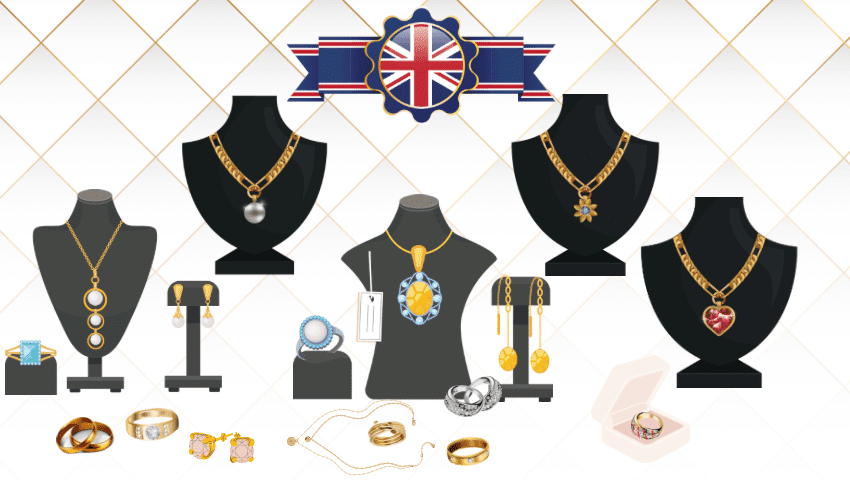
Online jewellery shopping in the UK – necklaces, rings and earrings

Before You Buy: What UK Shoppers Usually Miss

Here’s the uncomfortable truth.

Most online jewellery looks more valuable than it is.

In the UK, any gold, silver, platinum or palladium jewellery over specific weights must be legally hallmarked under the Hallmarking Act. Yet many buyers never check.

That tiny stamp—375, 925, 750—decides whether your jewellery is costume, demi-fine, or investment-grade. It also determines resale value, insurance acceptance, and even whether Trading Standards would back you in a dispute.

Once you understand that, the online jewellery market suddenly makes sense.

Best Online Jewellery UK Brands (2026 Reality Check)

Missoma – The Demi‑Fine Sweet Spot

Missoma dominates the middle ground in 2026—and that’s not an accident.

This London-based brand specialises in 18ct gold vermeil over sterling silver, which keeps prices accessible while still offering durability and hallmarked metals.

Typical prices (2026):
• Earrings: £55–£150
• Necklaces: £95–£495
• Rings: £75–£140

The Lucy Williams collaborations remain top sellers, not because they’re trendy—but because they layer well and age better than fast-fashion jewellery.

If you want everyday jewellery that looks premium without pretending to be an heirloom, Missoma is hard to beat.

Astrid & Miyu – Stack First, Decide Later

Astrid & Miyu isn’t selling individual pieces. It’s selling combinations.

This brand thrives on stacking: rings that only make sense together, earrings designed to climb, and collections that reward experimentation.

Typical prices (2026):
• Studs & huggies: £40–£75
• Rings: £60–£90
• Solid gold & lab diamond pieces: £215–£650

The clever part? You can start cheap and upgrade selectively into solid gold without changing aesthetic.

This is jewellery for people who don’t want to commit—yet.

Daisy London – Meaning Over Metal

Daisy London succeeds where most gift jewellery fails: it explains itself.

Each collection is built around symbolism—healing stones, zodiac signs, intention jewellery—which makes it disproportionately powerful as a present.

Typical prices (2026):
• Earrings: £35–£95
• Necklaces: £49–£199
• Solid gold fine pieces: £350–£500+

You’re not paying for resale value here. You’re paying for emotional clarity. And for gifts, that often matters more.

Blue Nile – Diamonds Without the Theatre

Blue Nile changed the engagement ring market by removing the showroom—and keeping the margin.

In 2026, it remains one of the best places to buy GIA-certified diamonds online in the UK, with VAT handled upfront for UK customers.

Typical prices (2026):
• Engagement rings: from ~£1,200
• 1ct lab-grown diamond rings: £1,500–£3,000
• Natural diamonds: £2,500–£40,000+

If you care about cut, clarity and certification more than brand storytelling, this is where logic wins.

Bulgari – Jewellery as Asset

Bulgari is not expensive because it’s flashy.

It’s expensive because it holds value.

Founded in Rome in 1884, Bulgari’s bold geometry and heavy gold pieces behave more like portable wealth than accessories.

Typical prices (2026):
• Entry jewellery: £1,200–£3,000
• Diamond rings: £4,000–£25,000+

This is not impulse jewellery. It’s jewellery you insure.

Cartier – When Symbol Beats Spec

Cartier sells something no spec sheet can measure: recognition.

From Love rings to Tank watches, Cartier pieces signal status instantly—and globally.

Typical prices (2026):
• Wedding bands: £1,000–£2,500
• Engagement rings: £3,500–£30,000+

You’re not paying for materials alone. You’re paying for cultural permanence.

The Rule That Changes Everything

If you remember one thing, make it this:

Buy trends in vermeil. Buy milestones in solid gold. Buy investments in heritage brands.

Most regret comes from breaking that rule.

Wholesale in the UK (For a Different Game)

If you’re sourcing jewellery for resale or bulk gifting, the UK wholesale market operates on entirely different economics.

You can explore verified wholesale platforms here:
Wholesale Markets in the UK

Just remember: wholesale prioritises margin, not meaning.

And that brings us back to where we started.

Jewellery isn’t about shine.

It’s about choosing which story you’re buying—and which ones you’re done overpaying for.
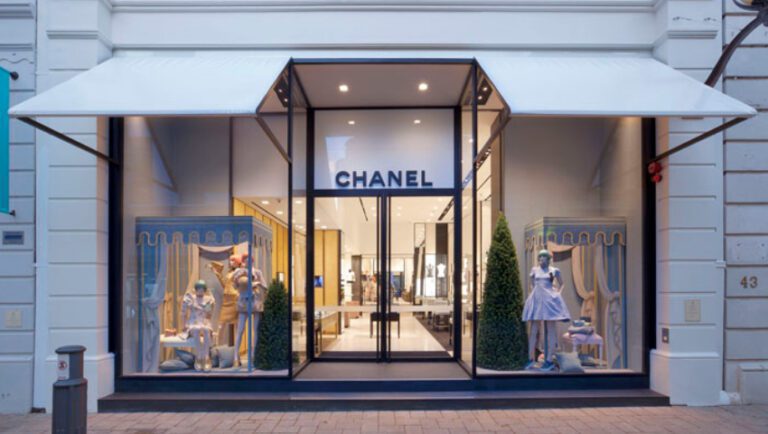
Buying jewellery online in the UK in 2026 isn’t about style—it’s about strategy. The real winners aren’t chasing trends or discounts; they’re choosing brands that know exactly what they’re selling, who they’re selling to, and why it holds value beyond the checkout.

Once you see how the smartest buyers separate craftsmanship from hype, price from positioning, the best online jewellery choices become obvious. Here’s where that advantage really shows.

sn’t a list of pretty necklaces. It’s a map of the UK online jewellery landscape as it really works right now: pricing, materials, resale value, hallmarking rules, delivery realities, and where you’re quietly overpaying.

If you’ve ever wondered why two rings that look identical can be £65 and £650—or why some jewellery keeps its value while most doesn’t—you’re in the right place.

Online jewellery shopping in the UK – necklaces, rings and earrings

Before You Buy: What UK Shoppers Usually Miss

Here’s the uncomfortable truth.

Most online jewellery looks more valuable than it is.

In the UK, any gold, silver, platinum or palladium jewellery over specific weights must be legally hallmarked under the Hallmarking Act. Yet many buyers never check.

That tiny stamp—375, 925, 750—decides whether your jewellery is costume, demi-fine, or investment-grade. It also determines resale value, insurance acceptance, and even whether Trading Standards would back you in a dispute.

Once you understand that, the online jewellery market suddenly makes sense.

Best Online Jewellery UK Brands (2026 Reality Check)

Missoma – The Demi‑Fine Sweet Spot

Missoma dominates the middle ground in 2026—and that’s not an accident.

This London-based brand specialises in 18ct gold vermeil over sterling silver, which keeps prices accessible while still offering durability and hallmarked metals.

Typical prices (2026):
• Earrings: £55–£150
• Necklaces: £95–£495
• Rings: £75–£140

The Lucy Williams collaborations remain top sellers, not because they’re trendy—but because they layer well and age better than fast-fashion jewellery.

If you want everyday jewellery that looks premium without pretending to be an heirloom, Missoma is hard to beat.

Astrid & Miyu – Stack First, Decide Later

Astrid & Miyu isn’t selling individual pieces. It’s selling combinations.

This brand thrives on stacking: rings that only make sense together, earrings designed to climb, and collections that reward experimentation.

Typical prices (2026):
• Studs & huggies: £40–£75
• Rings: £60–£90
• Solid gold & lab diamond pieces: £215–£650

The clever part? You can start cheap and upgrade selectively into solid gold without changing aesthetic.

This is jewellery for people who don’t want to commit—yet.

Daisy London – Meaning Over Metal

Daisy London succeeds where most gift jewellery fails: it explains itself.

Each collection is built around symbolism—healing stones, zodiac signs, intention jewellery—which makes it disproportionately powerful as a present.

Typical prices (2026):
• Earrings: £35–£95
• Necklaces: £49–£199
• Solid gold fine pieces: £350–£500+

You’re not paying for resale value here. You’re paying for emotional clarity. And for gifts, that often matters more.

Blue Nile – Diamonds Without the Theatre

Blue Nile changed the engagement ring market by removing the showroom—and keeping the margin.

In 2026, it remains one of the best places to buy GIA-certified diamonds online in the UK, with VAT handled upfront for UK customers.

Typical prices (2026):
• Engagement rings: from ~£1,200
• 1ct lab-grown diamond rings: £1,500–£3,000
• Natural diamonds: £2,500–£40,000+

If you care about cut, clarity and certification more than brand storytelling, this is where logic wins.

Bulgari – Jewellery as Asset

Bulgari is not expensive because it’s flashy.

It’s expensive because it holds value.

Founded in Rome in 1884, Bulgari’s bold geometry and heavy gold pieces behave more like portable wealth than accessories.

Typical prices (2026):
• Entry jewellery: £1,200–£3,000
• Diamond rings: £4,000–£25,000+

This is not impulse jewellery. It’s jewellery you insure.

Cartier – When Symbol Beats Spec

Cartier sells something no spec sheet can measure: recognition.

From Love rings to Tank watches, Cartier pieces signal status instantly—and globally.

Typical prices (2026):
• Wedding bands: £1,000–£2,500
• Engagement rings: £3,500–£30,000+

You’re not paying for materials alone. You’re paying for cultural permanence.

The Rule That Changes Everything

If you remember one thing, make it this:

Buy trends in vermeil. Buy milestones in solid gold. Buy investments in heritage brands.

Most regret comes from breaking that rule.

Wholesale in the UK (For a Different Game)

If you’re sourcing jewellery for resale or bulk gifting, the UK wholesale market operates on entirely different economics.

You can explore verified wholesale platforms here:
Wholesale Markets in the UK

Just remember: wholesale prioritises margin, not meaning.

And that brings us back to where we started.

Jewellery isn’t about shine.

It’s about choosing which story you’re buying—and which ones you’re done overpaying for.

Similar Posts

Leave a Reply

Your email address will not be published. Required fields are marked *