20 Best Tourist Places in Manchester (2026 Guide)
You land in Manchester and the city gets to work on you immediately. Red-brick warehouses, cutting-edge galleries, legendary music venues, and canals that feel quietly cinematic all compete for your attention.
This isn’t a place you skim—it rewards curiosity. From historic landmarks to modern icons, here are the 20 best tourist places in Manchester to help you plan every step.
Because Manchester in 2026 isn’t a single destination. It’s a layered city — Roman ruins beneath glass towers, canals reborn as cultural arteries, and museums that quietly shaped the modern world. If you only skim the surface, you miss the point.
This guide isn’t a checklist. It’s a map to the places that explain why Manchester looks the way it does today — and why it keeps reinventing itself.
The real Manchester tourists don’t expect
Manchester is often compared to Liverpool. Both are post‑industrial cities. Both reinvented themselves. But Manchester’s revival happened differently — quieter, deeper, more intellectual.
Its canals weren’t beautified for photos. They were repurposed as living infrastructure. Its museums aren’t decorative — they’re arguments about progress, power, and people.
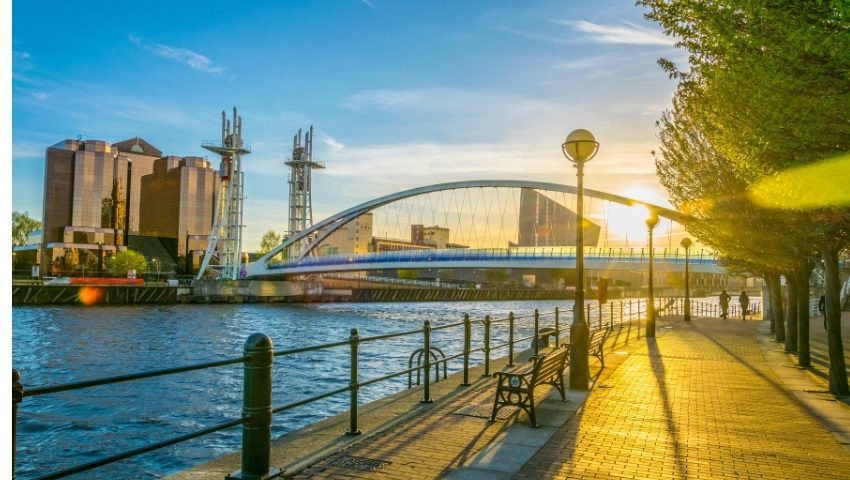
1. Canals of Castlefield
Castlefield is where Manchester admits what it really is: a city built by movement.
The Bridgewater Canal, opened in 1761, didn’t just move coal. It kick‑started the Industrial Revolution’s logistics system. In 2026, those same waterways now carry joggers, café culture, and late‑night conversations.
Converted warehouses line the basin — once storing cotton, now hosting offices, hotels, and restaurants. The past isn’t preserved here. It’s reused.
2. Science and Industry Museum
This isn’t a museum about science. It’s a museum about consequences.
Located at the world’s oldest surviving passenger railway station, the Science and Industry Museum remains free to enter in 2026, even as multi‑million‑pound restorations continue across the site.
The Power Hall galleries and rotating exhibitions don’t celebrate invention blindly. They show how ideas changed labour, cities, and lives — often in uncomfortable ways.
3. Imperial War Museum North
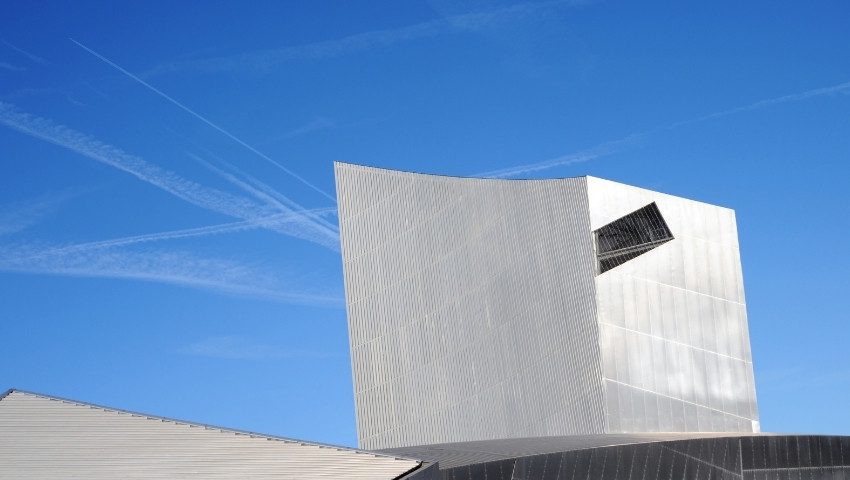
Daniel Libeskind designed this building to feel broken. That’s intentional.
Opened in 2002, the Imperial War Museum North doesn’t glorify conflict. Its immersive audiovisual installations confront visitors with how war fractures societies — including Britain’s.
4. Manchester Cathedral
Surrounded by retail and tramlines, Manchester Cathedral survives as an anchor.
Founded in the 15th century and elevated to cathedral status in the 19th, it reflects how Manchester transitioned from parish town to global city — without erasing its spiritual centre.
5. Manchester Museum
Reopened after a major redevelopment, Manchester Museum in 2026 is one of the UK’s most progressive university museums.
With over 4.5 million objects, free entry, and galleries addressing colonial history and climate ethics, it quietly challenges how museums should work in the modern world.
6. St Mary’s Catholic Church (The Hidden Gem)
Most visitors walk past it. That’s the mistake.
Built in 1794, St Mary’s is Manchester’s oldest surviving Catholic church. Inside, Victorian craftsmanship meets quiet resilience — a reminder of religious life during industrial hardship.
7. National Football Museum
This isn’t about Manchester United versus Manchester City.
The National Football Museum explains how football became Britain’s social language — shaping class identity, migration, and global culture. Even non‑fans leave understanding why the game matters.
8. Chetham’s Library
Chetham’s Library is older than the United States.
Founded in 1653, it remains the UK’s oldest public library. Karl Marx and Friedrich Engels studied here, developing ideas that would later reshape global politics.
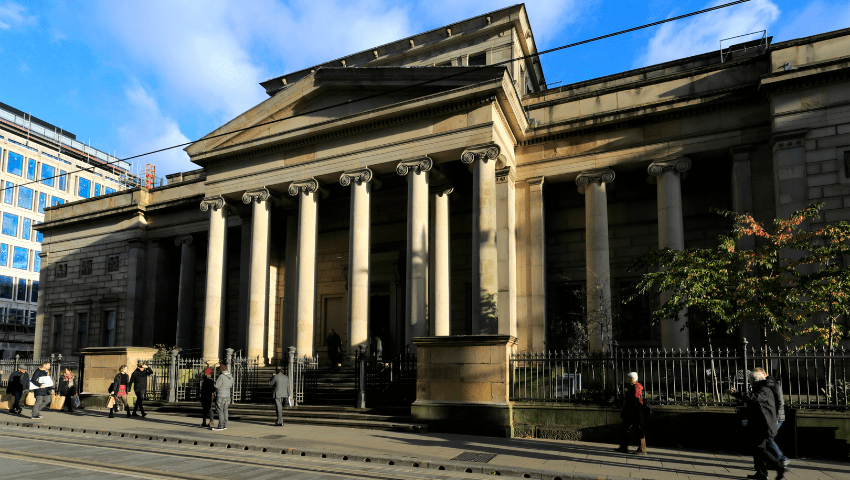
9. Manchester Art Gallery
From Pre‑Raphaelites to Turner, Rodin to Henry Moore, the Manchester Art Gallery doesn’t try to overwhelm. It curates conversations between eras.
10. The Whitworth
Part gallery, part public park, The Whitworth blurs the line between art and environment.
Its exhibitions range from historic textiles to modern political art, with free entry and family‑focused programming throughout 2026.
Why Manchester stays with you
People come expecting landmarks.
They leave understanding systems — industry, labour, culture, resistance.
Manchester doesn’t perform history. It lets you walk through it, question it, and carry it forward. That’s why the city doesn’t just reward sightseeing.
It rewards attention.